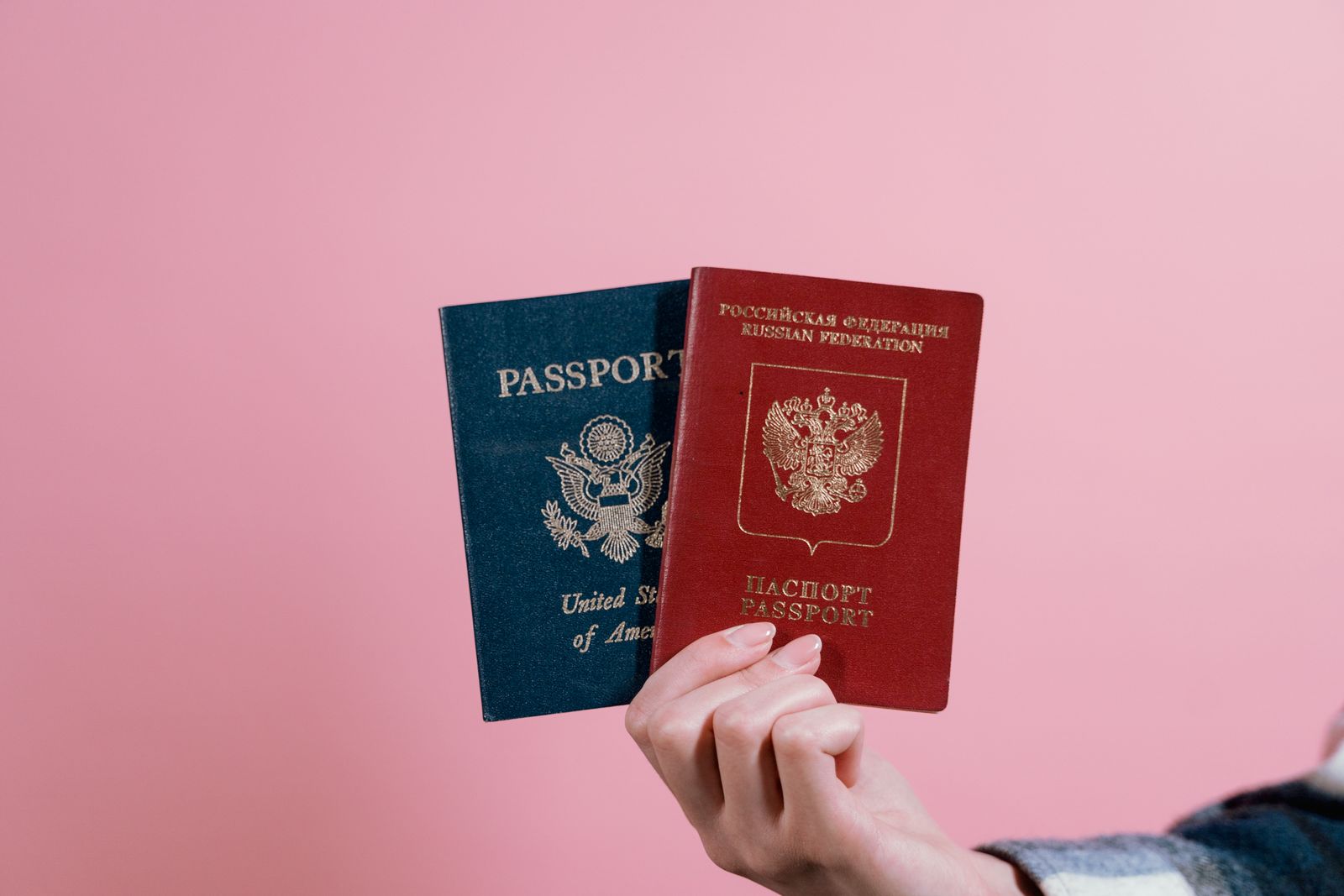
Visa-Free Entry for 90 Days
Morocco operates one of Africa's most open visa policies. Citizens of over 60 countries can enter visa-free for up to 90 days with a valid passport. No pre-registration, no online form — simply arrive, present your passport and you receive an entry stamp.
Visa-free 90 days: USA, UK, all EU member states, Canada, Australia, New Zealand, Japan, South Korea, and most of Latin America. See full list below.
Visa-Free Countries (90 Days)
Always verify before travel: Visa policies change. This list reflects the situation as of May 2026. Check with the official Moroccan government website or your nearest Moroccan embassy for the current status for your nationality.
If You Need a Visa
If your nationality is not on the visa-free list, you need to apply for a tourist visa (visa de court séjour) before travelling. There is no visa on arrival for nationalities that require one.
How to Apply
- Contact your nearest Moroccan embassy or consulate — applications are handled in person or by post, not online.
- Prepare the required documents (see below).
- Submit your application with the fee (typically $25–60 USD equivalent).
- Processing takes 5 to 10 working days — apply well in advance.
Documents Required
- Valid passport (6+ months validity, at least 1 blank page)
- Completed visa application form
- 2 recent passport-sized photos
- Proof of accommodation (hotel booking or riad confirmation)
- Return flight ticket or onward travel proof
- Proof of sufficient funds (bank statement, typically last 3 months)
- Visa fee (cash or bank draft — varies by embassy)
Note for dual nationals: If you hold a Moroccan passport in addition to a foreign passport, you are required to enter Morocco on your Moroccan passport. Moroccan law does not recognise dual nationality for entry purposes.
Passport Requirements
- Minimum validity: Your passport must be valid for at least 6 months beyond your intended departure date from Morocco
- Blank pages: At least one blank page is required for the entry stamp
- Condition: Passports that are severely damaged, water-damaged or have unofficial additions may be refused — use a clean, undamaged passport
- Israeli passport stamp: Morocco normalised relations with Israel in 2020 and Israeli citizens can now enter Morocco visa-free; Israeli passport stamps from before normalisation are no longer an issue
Renew early: Passport renewal offices worldwide are frequently backlogged. If your passport expires within 12 months, renew it before booking Morocco travel.
What to Expect at the Border
Moroccan border control (immigration) is generally smooth for tourists with valid documentation. Here's what typically happens:
By Air (Most Common)
Casablanca Mohammed V Airport (CMN) is the main international gateway. Marrakech Menara, Agadir and Fes also receive international flights. At immigration, present your passport and a completed embarkation/disembarkation card (given on the plane or available at the airport). The officer may ask where you're staying and for how long. This is routine — answer simply and honestly.
By Ferry (from Spain)
Ferries run between Algeciras (Spain) and Tangier Med port, and between Tarifa and Tangier Ville. The Tangier Med ferry crossing takes about 35 minutes. Passport control is carried out on the ferry or at the port — queues can be long during Spanish summer holidays. Arrive at the ferry terminal at least 1 hour before departure.
Fiche de Police (Registration Card)
Every visitor must register with local police upon arrival — in practice, your hotel or riad does this automatically when you provide your passport on check-in. Keep your passport accessible for the first night for this process. You don't need to visit a police station.
| Entry Point | Notes |
|---|---|
| Casablanca CMN | Morocco's main hub; smooth process; biggest international route selection |
| Marrakech RAK | Many direct European flights; tourist-friendly; fast immigration |
| Tangier Ville (ferry) | City-centre port; older facility; book ferry in advance July–August |
| Tangier Med (ferry) | Modern port 45 min from city; faster processing; most ferry traffic |
| Land border (Ceuta/Melilla) | EU enclave crossings; can be very slow; bring patience and exact change for petits taxis |
Extending Your Stay Beyond 90 Days
If you wish to stay in Morocco longer than 90 days, the options are:
- Apply for a residence permit (carte de séjour) from the local prefecture. This requires proof of accommodation, financial means and a reason for staying (work, study, retirement).
- Exit and re-enter — leaving Morocco and returning resets the 90-day clock. However, border officials have discretion and may question travellers who do this repeatedly. There is no official rule against it, but it is not a guaranteed strategy for indefinite stays.
Overstaying: Overstaying your permitted 90 days can result in fines, detention and difficulty entering Morocco in the future. Don't overstay — plan your exit before your 90 days expire.
Morocco Unveiled
Visa sorted — now plan the trip
Day-by-day itineraries for every budget and travel style, built by people who live and breathe Morocco.
View Morocco Itineraries →