Morocco's sun capital. 9km of golden Atlantic beach, 300 days of sunshine per year, world-class surf breaks, flamingos in the national park and the gateway to the spectacular Anti-Atlas mountains. The perfect Morocco beach base.
Agadir is Morocco's most popular beach destination and its most modern city — rebuilt entirely from scratch after a devastating 1960 earthquake destroyed the old city in 15 seconds. The result is a planned resort city with wide boulevards, manicured promenades and resorts ranging from budget to ultra-luxury.
What makes Agadir special beyond the beach is its location. Just 30 minutes south are the untouched beaches and flamingo lagoons of Souss-Massa National Park. Two hours east is the spectacular Taroudant, the "Little Marrakech." Three hours into the Anti-Atlas mountains lie the rose-granite landscapes of Tafraoute.
The surf at Taghazout (20km north) is world-famous — consistently rated among the best surf breaks in Africa. Whether you're here for yoga retreats, family beach holidays or advanced surfing, Agadir delivers.
Agadir's secret: warm winters (20–24°C) while northern Morocco is cold. Surfers love the powerful winter swells. Perfect for Europeans escaping winter. Peak surf season at Taghazout.
Warm, dry, uncrowded (22–28°C). Surf still good, beach less packed, argan trees in bloom. The best time to explore the Sous Valley and argan biosphere inland.
Hot (28–35°C) and very busy — Moroccan families on holiday, European tourists. Beach packed, restaurants full. The Atlantic trade winds cool the coast but it's peak-season prices.
Excellent surf returns in October. Warm days (24–28°C), fewer crowds than summer. Surf camps filling up with intermediate and advanced surfers chasing Anchor Point. Good value.
Complete Insider Guide
The Agadir Guide — Hotels, Restaurants & Hidden Gems
PDF guide · 40+ pages · Instant download · 30-day money-back
Beach, surf, flamingos, mountains — Morocco's most varied beach destination
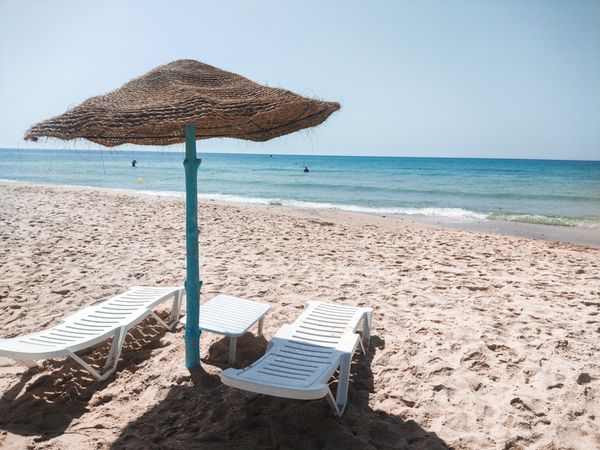
Morocco's finest beach — wide, clean, sheltered and consistently warm. The best section runs from the Sofitel hotel southward. Sunbeds available for hire, excellent beach cafés, safe swimming in the protected bay.
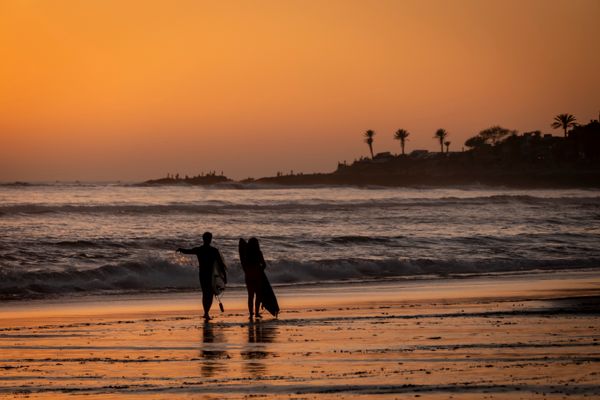
20km north of Agadir, Taghazout has been a world surf destination since the 1970s. Anchor Point, Hash Point and Panoramas are legendary right-hand point breaks. Surf schools for beginners, winter swells for experts.
A UNESCO biosphere reserve 40km south of Agadir. Hundreds of greater flamingos wade the Oued Massa lagoon. Bald ibis (critically endangered) nest in the riverbanks. Wild coastline with no development. Utterly beautiful.
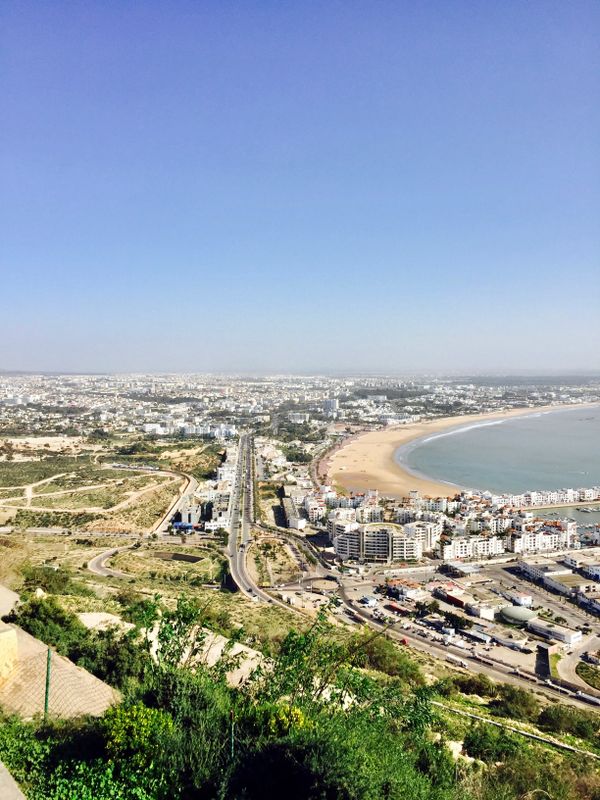
All that remains of the pre-earthquake city — a hilltop kasbah with the Arabic inscription "God, Country, King" visible for miles. The views from the hill over the bay and city are extraordinary, especially at sunset.
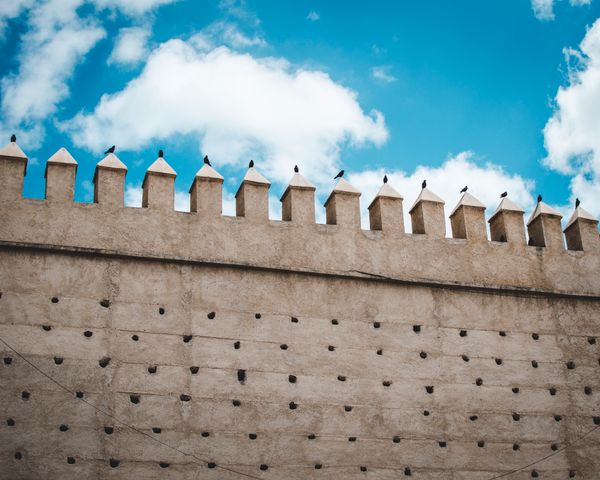
The "Little Marrakech" — 80km east, behind the High Atlas foothills. Magnificent 16th-century red earthen ramparts, excellent souks with almost no tourist pressure, and an authentic Souss Valley atmosphere. One of Morocco's most underrated towns.
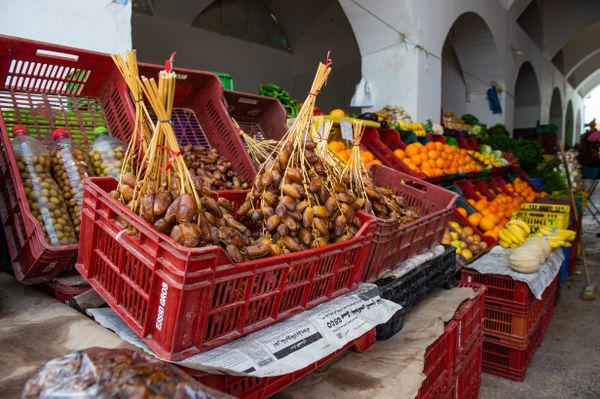
The largest souk in southern Morocco — a vast labyrinthine market with fresh produce, spices, argan oil, clothing and crafts. Goes on every day but Sunday is the biggest. A genuine local market, not a tourist show.
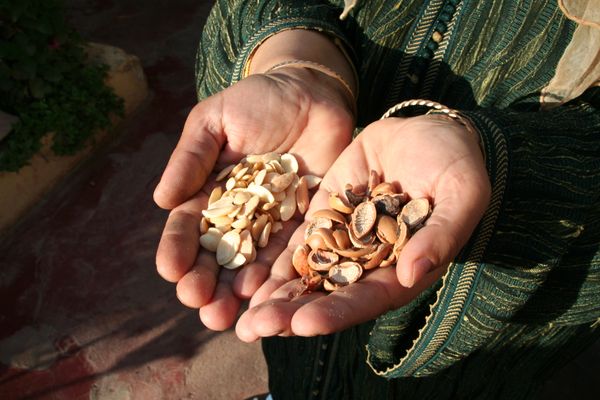
The Souss region around Agadir produces the world's entire supply of argan oil. Stop at a women's cooperative on any road out of the city to watch traditional extraction, taste culinary argan oil and buy authentic certified products.
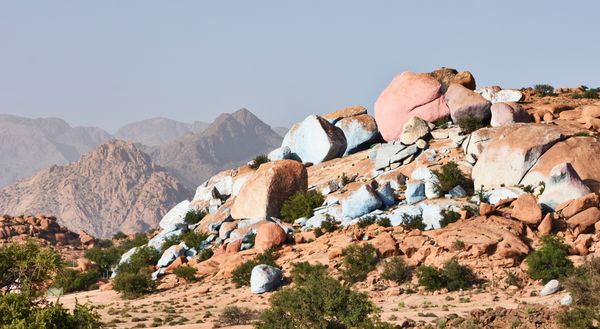
3 hours southeast — a breathtaking Anti-Atlas landscape of rose-pink granite boulders, almond orchards and Berber villages. The "Painted Rocks" by Belgian artist Jean Vérame are a surreal highlight. Best overnight trip from Agadir.
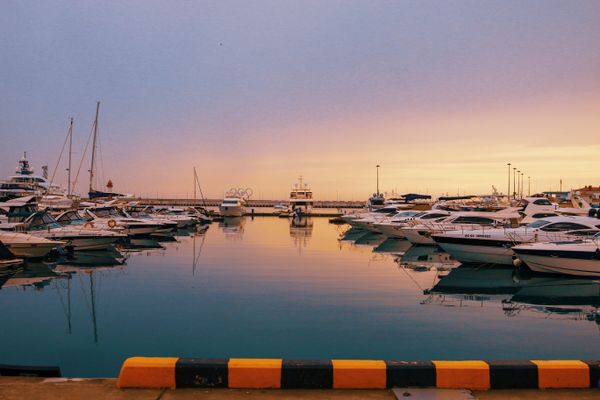
The modern marina district has Agadir's best restaurants, outdoor cafés and sunset promenade. Take the beachfront walk from the marina north past the palm-lined promenade — especially beautiful in the golden hour.
Dutch collector Bert Flint spent 50 years gathering extraordinary Berber and Saharan artefacts. The result — 8,000 pieces of jewellery, textiles, weapons and ceramics — is one of Morocco's finest museums. Often empty of visitors.
Our Agadir guide covers every surf break from Taghazout to Sidi Ifni, the best beach clubs and restaurants, the Souss-Massa flamingo timing guide, Taroudant and Tafraoute day trip routes, and where to buy genuine argan oil.
From surf hostels to 5-star beach resorts
The main strip of 4-5 star hotels directly on the beach — RIU, Sofitel, Mövenpick. All-inclusive packages available. Best for families wanting everything on-site. Book 3+ months ahead for peak July–August.
Surf hostels, guesthouses and boutique riads in the surf village 20km north. Dramatically cheaper than Agadir, brilliant atmosphere, surf right from your door. Best for surfers and backpackers.
The marina district has Agadir's most stylish boutique hotels and apartments. Talborjt (old town) has authentic cheap options. Both are 10-min walk to the beach.
Compare beach resorts, surf hotels and marina boutiques
October to March brings the best Atlantic swells to Taghazout. Summer is flat and crowded. Intermediate to advanced surfers should come October–February. Beginners can learn year-round — summer has small, clean waves perfect for learning.
Greater flamingos are present at Souss-Massa year-round but numbers peak October–February when migratory birds join the resident population. Go early morning (7–9am) for best sightings and photography light.
Agadir is Morocco's most modern, purpose-built resort city — wide seafront boulevards, a long sandy beach, contemporary hotels and a relaxed coastal atmosphere. It feels distinct from the historic medinas of Marrakech or Fes, a different but equally authentic side of Morocco.
December–February in Agadir averages 20°C with clear blue skies — perfect beach and hiking weather while northern Europe freezes. It's off-peak season so hotels are 30–40% cheaper and beaches are quiet.
This is argan oil country — the trees grow wild all around the city. Buy from the women's cooperatives on the road to Taroudant or at the Souk El Had. Prices are 40% lower than in Marrakech and the oil is guaranteed authentic.
Essaouira is 2.5 hours north of Agadir by CTM bus — a perfect day trip from the southern base. See the Atlantic's most atmospheric port city and be back for Agadir sunset. Buses run twice daily.
The municipal beach stretching south of town is free, less crowded and locals use it. The hotel beach zones charge entry. Walk 10 minutes south of the port for the best sand without the sunbed fees.
Taroudant — 80km east on an easy road — is called "the little Marrakech" for its ancient pink walls and souks, but without the tourist pressure. A perfect half-day drive from Agadir. Go Thursday for the Berber market.
The fishing boats unload at Agadir port every morning. The market restaurants beside the port serve the freshest grilled fish in Morocco — a whole grilled dorade for under 50 MAD. Ask a local to point you to Port de Pêche.
Agadir's international airport is one of Morocco's busiest for European charter flights. Ryanair, easyJet, Transavia and Jet2 fly directly from UK/Europe. Royal Air Maroc connects Agadir to Casablanca (1h), Marrakech (45 min) and other Moroccan cities. Taxi to city: ~150–200 MAD.
CTM and Supratours run frequent services from Marrakech to Agadir: 3.5–4h on the modern A7 motorway, ~100–130 MAD. From Casablanca: 5.5–6h. From Essaouira: 3h (~60 MAD). The CTM terminal is in the city centre.
Grand taxis run Marrakech→Agadir in 2.5–3h for around 80–120 MAD per seat (shared) or 500–600 MAD for the whole vehicle. Faster than the bus and more flexible. Negotiate price before departing.
Agadir is one of the best Moroccan cities for a rental car base. The A7 south to Tiznit, the coastal road north to Essaouira, and the N8 inland to the Souss Valley are all excellent drives. Rent at the airport or city centre. 4WD unnecessary for paved routes.
Taghazout surf village is just 19km north of Agadir — a 20-minute petit taxi ride (~40 MAD). Many surfers base themselves in Taghazout and day-trip to Agadir for supermarkets, restaurants and the beach promenade.
RAM flies Dakhla→Agadir (~1.5h) but flights are infrequent — check schedules. The overland N1 coastal road is epic (800km south, 2 days) but requires fuel planning and a reliable vehicle. CTM bus: ~12h.
Morocco's world-famous surf village has transformed from a quiet fishing hamlet into a global surf destination while keeping its soul. Walk the cliff trail to Anchor Point, eat fish sandwiches in a beach shack, watch world-class surfers. Best Sept–April when Atlantic swells peak.
The "little Marrakech" — a walled Souss Valley city with ochre ramparts, a medina less crowded than Marrakech, excellent souks for argan-based products, leather and silver. CTM bus: ~40 MAD, 1.5h. Arrive by 9am to beat the heat; the tanneries are open mornings.
Silver jewellery capital of the Souss. The artisan quarter around the main square has the best silver work in Morocco — traditionally Berber Amazigh designs. Grand taxi: ~60 MAD/seat. The Wednesday souk is the largest. Don't miss the 6km of pink pisé ramparts.
Natural rock pools carved through the Anti-Atlas at Imouzzer des Ida Outanane. The waterfall (best Oct–March) feeds turquoise pools surrounded by palm and argan trees. Hire a car or book a day tour from Agadir (350–500 MAD/person). Half-day trip; combine with Imouzzer town lunch.
Agadir is Morocco's surf capital. Taghazout (30 min north) has world-class breaks for all levels: Anchor Point for experts, Hash Point for intermediates, Panoramas for beginners. Group lesson: 250–350 MAD, 2 hours, board and wetsuit included. Many surf schools on the main strip.
Souss-Massa National Park (45 min south) protects one of Africa's last colonies of bald ibis alongside thousands of greater flamingos. Dawn is best. Entry: 40 MAD. Guided jeep tours from 300 MAD. The estuary mouth near Sidi R'bat village has the densest flamingo concentrations.
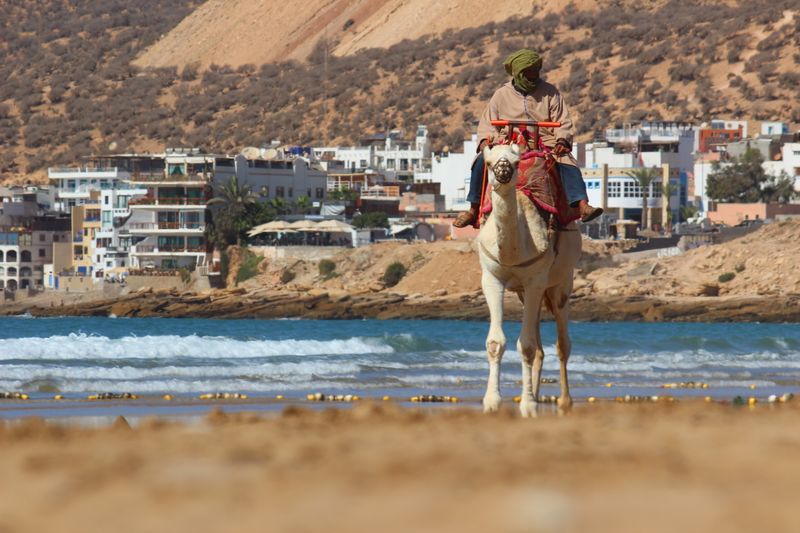
Agadir's 9km beach doubles as a camel highway at golden hour. Camel treks depart from the southern end of the beach: 45-minute rides with Atlantic views. 150–200 MAD/person. Operators line up near Secteur Touristique at 5pm.
The Souss Valley is argan country. Many Agadir hotels and day spas offer argan-infused hammam packages: black soap scrub, argan oil massage, rose water rinse. Hammam circuit: 200–350 MAD at mid-range spas. Pure argan products sold at the medina women's cooperative.
Rent a car and drive the N10 inland: argan forests, Berber market towns (Tuesday souk in Biougra, Thursday souk in Taroudant), and the Anti-Atlas foothills. Full-day, ~250 km round trip. Taroudant — 80 km east — is a rose-coloured walled city worth 3 hours.
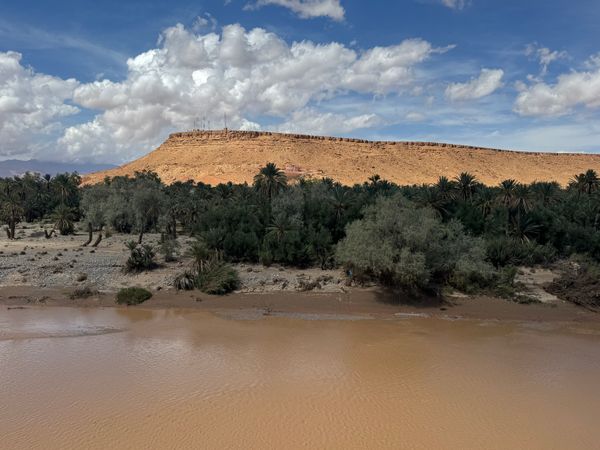
Lush palm oasis in the Anti-Atlas foothills, 55 km northeast of Agadir. Natural blue rock pools, Berber villages, waterfall walks. Entry free; guided walk with a local guide: ~150 MAD. Water levels are best Oct–May. Combine with an Imouzzer waterfall visit nearby.
Fresh Atlantic fish, Berber cooking from the Souss plains and a relaxed beach-city dining culture. Agadir eats well.
The harbour fish market (Port de Pêche) is a Agadir institution. Choose your fish from the stalls, have it grilled on the spot: sea bream, dorade, lobster, shrimp. Meal with drinks: 100–180 MAD. Arrive at lunch (noon–2pm) for the freshest catch.
Chef-driven restaurant near the beach with market-sourced menus. Crispy argan-roasted chicken, saffron-scented seafood pastilla, locally grown argan oil desserts. 200–350 MAD/pp. Book ahead for dinner — it fills quickly on weekends.
French-Moroccan bistro on the harbour promenade. Grilled fish, moules marinières, and a wine list — a rare find in southern Morocco. 250–400 MAD/pp. The sunset sea bass with chermoula sauce is the signature.
Traditional Moroccan restaurant near the medina with slow-cooked lamb tagine, argan-dressed salads and Souss-style couscous (lighter than the north, with more vegetables). 150–250 MAD/pp. No alcohol served.
30 min north in Taghazout village: fish sandwiches, avocado toasts, fresh juice bars and surfer-style açai bowls have transformed the village into a food destination. Under 80 MAD. Best combined with a morning surf lesson.
Italian-run restaurant on the Corniche with handmade pasta, Neapolitan pizza and good coffee. Popular with European families and long-stay visitors. 150–250 MAD/pp. The tiramisu is made fresh daily — order it ahead.
Agadir's food scene mixes fresh Atlantic seafood, Souss Valley produce and Amazigh-Berber flavours — plus a strong café culture shaped by French and European influence.
The port area's fish restaurants serve freshly landed prawns, grilled simply with chermoula (herb-garlic marinade). The local catch changes daily — look for loup de mer (sea bass) and dorade (sea bream) on chalkboard menus at the port.
A specialty of the Souss region — thick paste of argan oil, ground almonds and honey. Eaten with bread for breakfast or as a dip. Find it at markets and traditional cafés. A jar makes an excellent souvenir from the argan cooperative.
The local fish souk near the port fries the day's catch on the spot — cheap, enormous portions, eaten standing at a counter. The most authentic (and cheapest) seafood in the city. Arrive by 1pm before it sells out.
The Souss Valley's slow-cooked tagines use local produce — preserved lemon, olives, quince and wild herbs from the Anti-Atlas foothills. Look for goat or lamb tagine with prunes and almonds at family restaurants inland from the beach.
Agadir's markets are piled with Moroccan oranges and the juice costs 5–10 MAD a glass. The Talborjt district has the best traditional cafés for a simple breakfast of msemen flatbread, olive oil and fresh juice.
Café Panorama (Taghazout cliff) — smoothies and salads with ocean views; La Scala (Agadir marina) — upmarket Moroccan-Mediterranean; Pure Passion (port area) — fresh fish, reliable quality; Restaurant Daffy — budget local eats, locals only.
Our complete Agadir guide — every surf break, flamingo lagoon, beach club and Anti-Atlas mountain route, all in one download.
Yes — Agadir has one of Morocco's best beaches: a sheltered 10 km bay with calm Atlantic surf, golden sand and a full strip of beachfront hotels. The water is warmest from June to October. Unlike Essaouira, the wind here is mild, making it ideal for sunbathing rather than kitesurfing. The city is modern and resort-oriented, making it Morocco's most straightforward beach destination.
Agadir is about 250 km southwest of Marrakech — roughly a 3-hour drive over the Tizi n'Test pass or via the A7 motorway. CTM buses run the route several times daily for around 100 MAD. The drive through the Anti-Atlas foothills is spectacular and worth doing at least one way if you have your own vehicle.
April to June and September to November are the sweet spots — warm beach weather (25-30 degrees C), smaller crowds and lower hotel prices than peak summer. July and August are the hottest and most crowded. Winter (December-February) stays mild at 20 degrees C and is excellent for outdoor sightseeing, though the sea is too cool for most swimmers.