In This Article
There is a claim, made seriously by food scholars and happily by anyone who has eaten well in Morocco, that Fes is the culinary capital of the Arab world. It's a strong claim. It's also probably right.
Fes cuisine is older, more complex, and more refined than what you'll find anywhere else in Morocco. The city's 1,200-year history as an intellectual and trade capital created a cooking culture that absorbed Persian spice routes, Andalusian sophistication, and Berber earthiness into something entirely its own.
I spent 48 hours eating as methodically as I could manage through the medina. Here is everything I found.
Why Fes Is Morocco's Food Capital
The other imperial cities have famous food. Marrakech has its street spectacle at Jemaa el-Fna. Rabat has excellent restaurants. But Fes has something different: a continuous, living tradition of refined home cooking that has barely changed in centuries.
The signature Fessi dishes — bastilla, the pigeon pie dusted with sugar and cinnamon; rfissa, a complex broth of lentils, fenugreek and shredded chicken over msemen pancakes; the elaborate pastilla with seafood — these are dishes of extraordinary technical sophistication. They exist because Fes was wealthy, educated, and connected. They survive because Fes cooks still care.
Day 1 Morning — The Street Food Circuit
Start at Bab Boujloud (the Blue Gate) at 7:30am. The medina is waking up. The bread bakers have been working since 3am.
Day 1 Afternoon — The Spice Souks
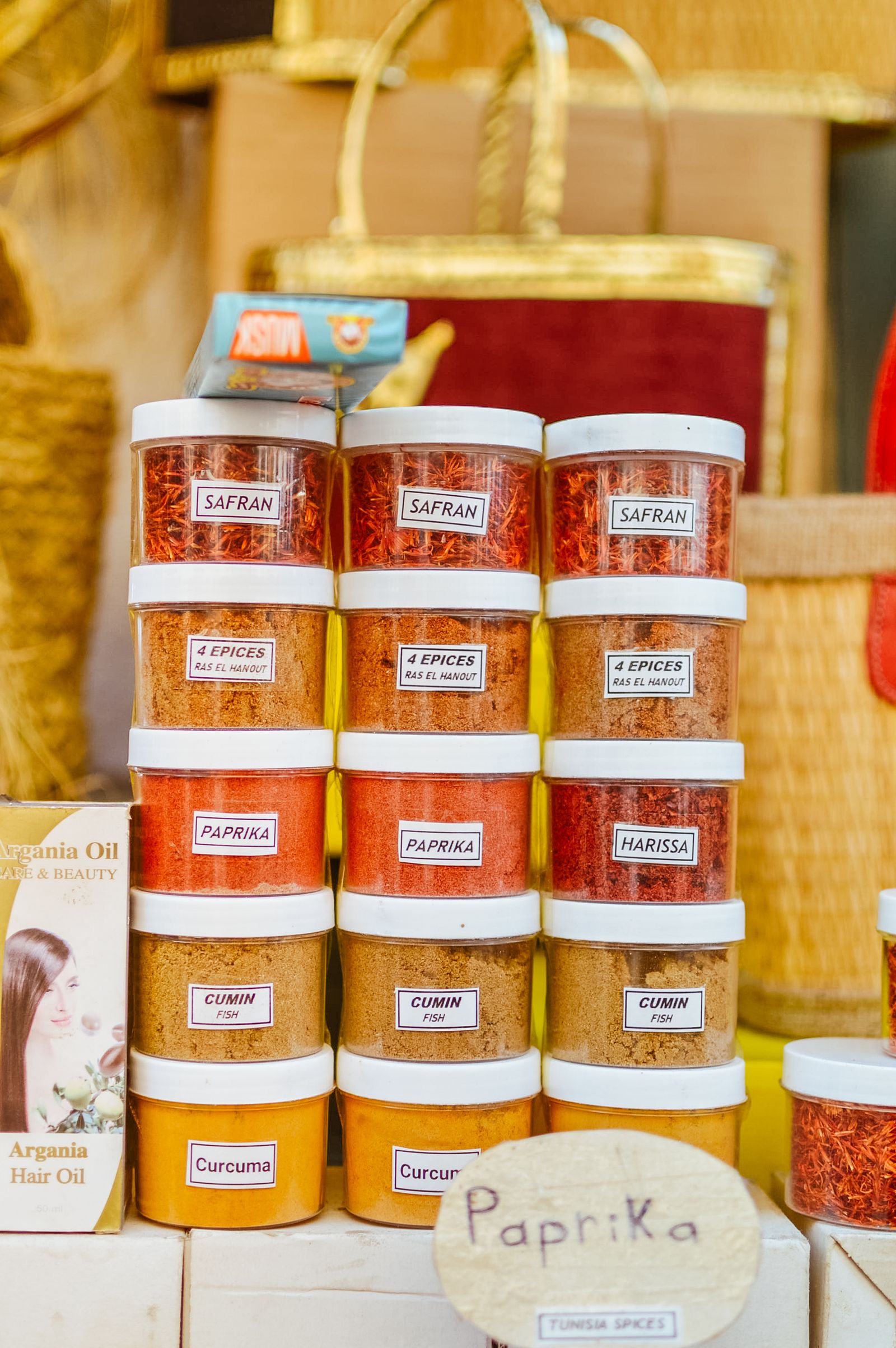
The Al-Attarine souk, named for the perfume and spice traders who have worked here since the 14th century, is not just a shopping experience — it is a masterclass in Moroccan flavour. Walk through it with your nose.
Ras el hanout — the spice blend whose name means "head of the shop" (i.e., the shopkeeper's best) — varies by merchant. Ask to smell six different versions. Buy from the one who explains what's in his blend. Mine contained 27 spices, including monk's pepper, cubeb, dried rosebuds, and mace. I still cook with it at home.
Preserved lemons. Argan oil. Dried herbs. Orange blossom water. These are the building blocks of Fessi cooking — and they cost a fraction of what you'd pay in any Western food shop.
Day 1 Evening — Bastilla Night
Bastilla is the dish Fes invented and nobody else has ever quite managed to replicate. A round pie of warka pastry — thinner than filo, made by a specialist — filled with spiced squab or chicken, egg, toasted almonds, and cinnamon, then dusted with icing sugar and cinnamon in a geometric pattern on top.
The combination of sweet, savoury, flaky, and rich is genuinely one of the great flavour experiences in world cuisine. It should not work. It is miraculous that it does.
The best versions in Fes:
- Café Clock (Derb el-Magana) — The most tourist-accessible. Their bastilla waffle is a modern twist that actually works. Also does the traditional version.
- Riad Fes restaurant — The most refined. Book ahead. The bastilla here is as good as it gets.
- Restaurant Dar Hatim — Family-run, in the medina, the bastilla is made by the owner's mother. Uncelebrated and exceptional.
Day 2 Morning — Cooking Class at Café Clock
Café Clock runs a half-day cooking class (300 MAD, 3 hours) that starts with a guided spice souk visit and ends with a meal you cooked yourself. I cannot recommend this enough — not because the cooking instruction is extraordinary (it's accessible rather than advanced), but because the context it provides transforms everything you eat for the rest of your trip.
You will make: a chicken or lamb tagine, a salad of three cooked vegetables (zaalouk, taktouka, or roasted beets), and a pastry. You will understand the logic of ras el hanout. You will know why the preserved lemon goes in at the last minute. The skills travel home with you.
Day 2 Afternoon — Hidden Gems
Rfissa at a Local Restaurant
25–35 MADOne of Fes's most complex dishes — slow-cooked chicken in a fenugreek and lentil broth, poured over shredded msemen. Ask your riad to recommend a local restaurant that serves it. Almost no tourist-facing place does.
Chebakia from the Sweet Souk
3–5 MAD eachSesame-and-anise cookies fried in oil then soaked in honey and scattered with sesame. The sweet souk near the Kairaouine mosque sells them by weight. Buy 200g (15 MAD) and eat them walking.
Atay (Mint Tea) Ceremony
10–15 MADReal Moroccan mint tea is poured from height to create a froth, served sweet enough to make a Parisian wince, and refilled three times. Find a traditional café off the tourist circuit — try the Rcif neighbourhood or near the Andalusian mosque.
The 10 Dishes You Must Eat in Fes
- Bastilla — The pigeon pie. Non-negotiable.
- Harira — The breakfast soup. Start every day with it.
- Msemen — Flaky layered pancake with honey or stuffed with kefta
- Rfissa — Chicken in fenugreek broth over shredded pancake
- Merguez sandwich — Spiced lamb sausage in khobz, with harissa
- Sfenj — Hot fresh doughnuts with honey
- Trid — Shredded warka pastry with chicken and argan oil
- Couscous — Friday is couscous day. Find a family restaurant that does the Friday couscous.
- Chebakia — The honey-sesame pastry
- Sellou — Toasted almond, sesame and flour paste eaten by the spoonful. Addictive.
Restaurant Quick-Reference
| Restaurant | Best For | Price | Booking |
|---|---|---|---|
| Café Clock | Bastilla, cooking class, atmosphere | $$ | Walk-in |
| Riad Fes Restaurant | Best bastilla in the city | $$$ | Essential |
| Ruined Garden | Ambience, garden courtyard, Moroccan-European | $$ | Recommended |
| Dar Hatim | Authentic family cooking, rfissa, bastilla | $ | Walk-in |
| Al-Firdaous | Traditional Fessi feast menu | $$ | Recommended |
Related Articles
- Berber Village Life: A Journey Into Rural Morocco →
- Experiencing Ramadan in Morocco →
- Argan Oil: Morocco's Liquid Gold →
4 Perfect Days in Fes
The complete Fes guide includes a 20-restaurant shortlist with exact addresses, what to order, and price ranges — plus the full 4-day medina itinerary.
Get it — $12.99 →