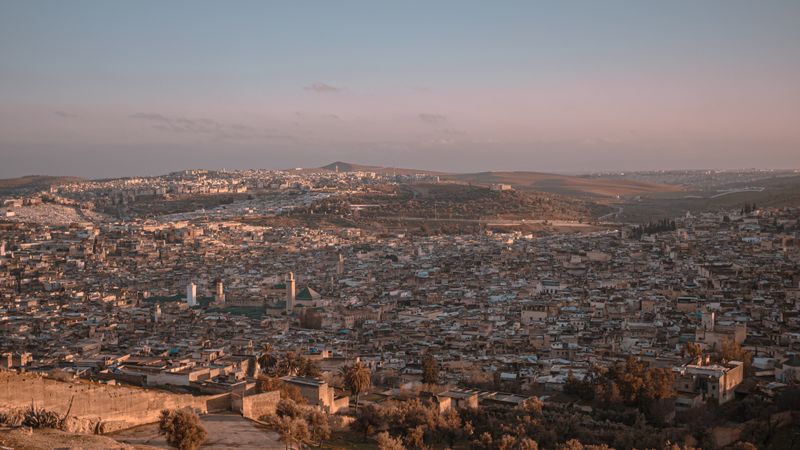
The world's oldest living medieval city. Fes el-Bali is a UNESCO masterpiece — 9,000 alleyways, the world's oldest university, and leather tanneries that haven't changed in 1,000 years.
Fes is unlike anywhere else on earth. While Marrakech dazzles tourists, Fes remains stubbornly, magnificently itself — a living, breathing medieval city where 1,000-year-old traditions carry on unchanged. Donkeys outnumber cars, leather tanners dye hides the same way their ancestors did, and the world's oldest continuously-operating university still holds classes.
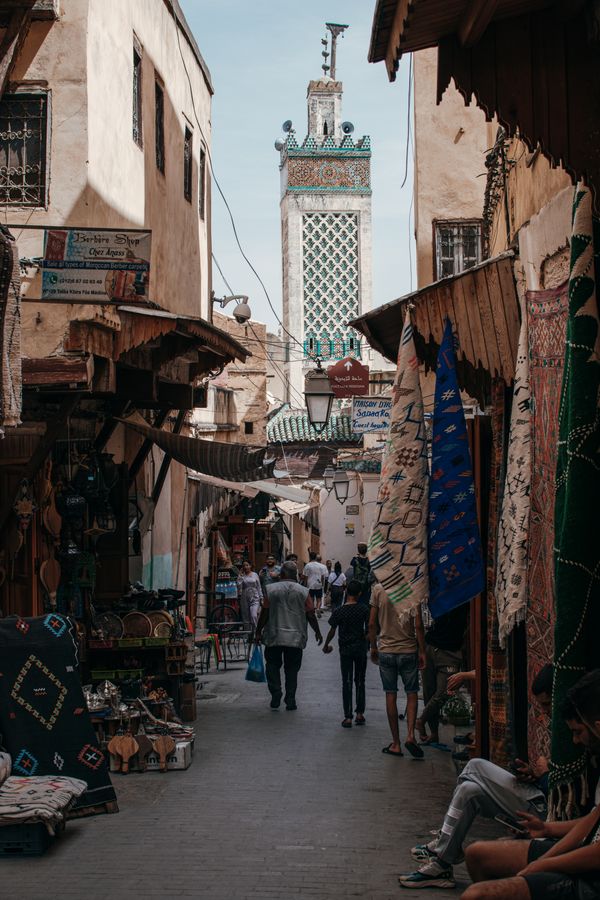
The medina, Fes el-Bali, is the world's largest car-free urban area. Get lost here — because getting lost is the point. Every wrong turn leads to a hidden madrasa, a fragrant spice souk, or a glimpse of daily Moroccan life that no tourist trail could manufacture.
This is the Morocco that travel writers run out of superlatives to describe. Plan at least 3 days.
The ideal visit window — 18–24°C, the medina smells of orange blossom, and the tanneries are at full colour. Manageable crowds. Best month: April.
Very hot (35–42°C). The tanneries intensify in smell. Crowds peak. Visit early morning if you must come in summer.
Warm and golden (22–30°C in September, cooling by November). Post-summer quiet. Fes el-Bali completely changes character.
Cool (8–14°C), possible rain. The medina takes on a moody atmospheric quality in winter mist. Lowest prices, fewer tourists.
Complete Insider Guide
4 Perfect Days in Fes — Tanneries, Riads & Hidden Medina
PDF guide · 23 pages · Instant download · 30-day money-back
From the hypnotic tanneries to ancient madrasas — the best of Fes
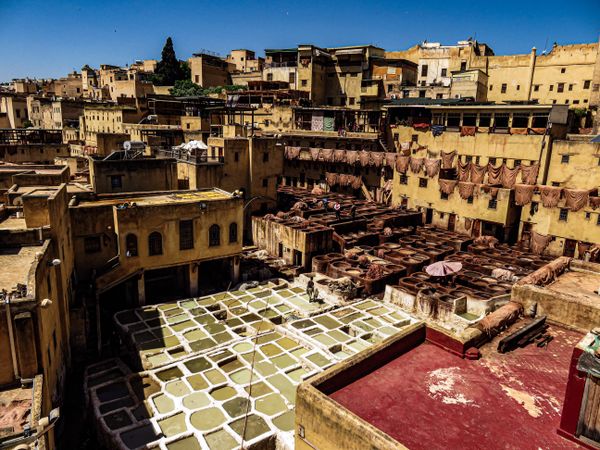
The most iconic image of Fes — ancient leather dyeing pits that have worked since the 11th century. Visit tannery-view terraces in nearby leather shops for the best vantage point.
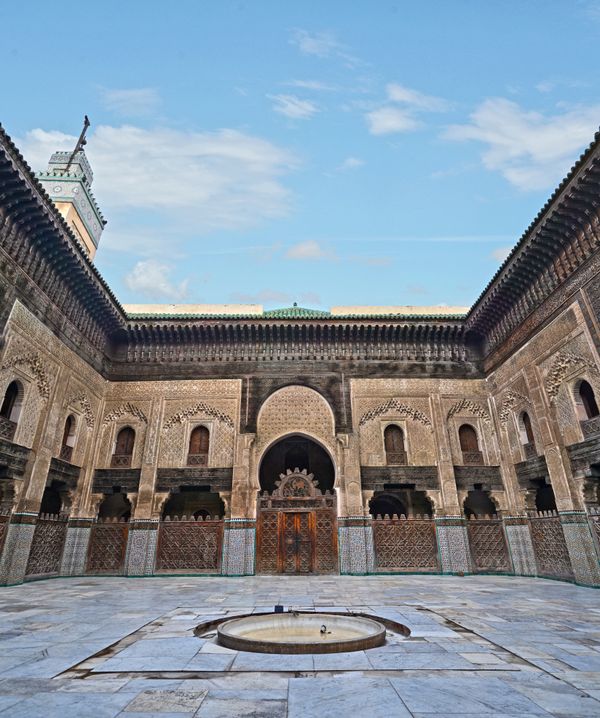
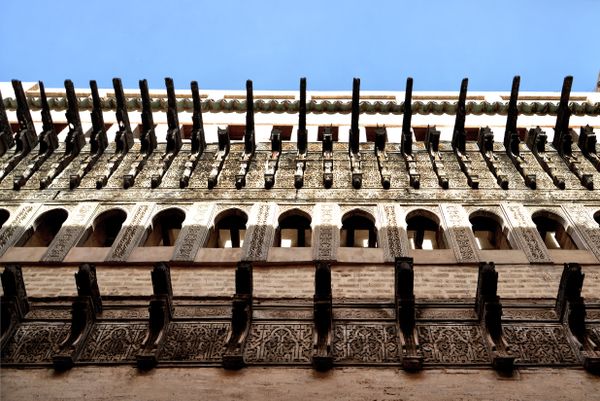
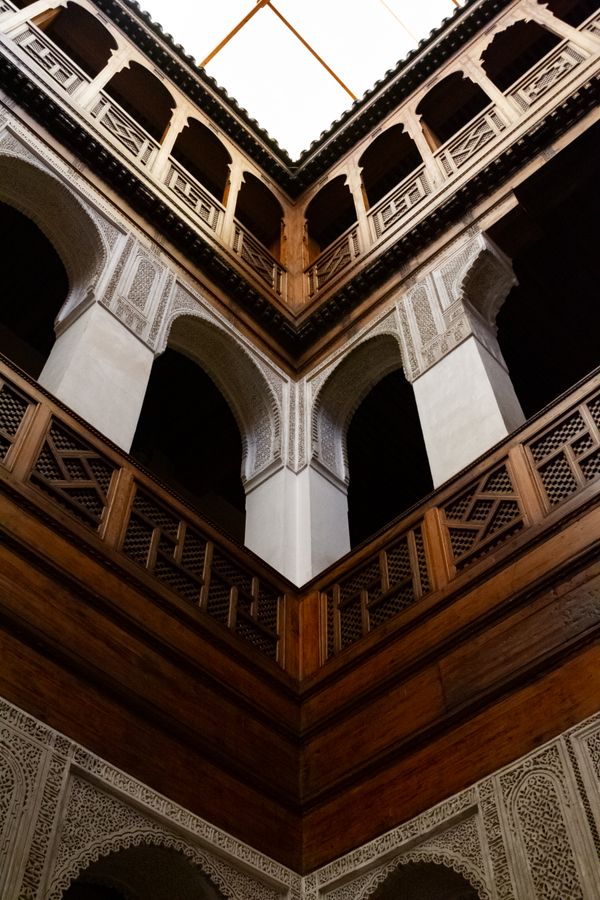
The finest example of Marinid-era architecture in Morocco. Intricate zellige tilework, carved cedar wood and breathtaking stucco plasterwork. One of the only madrasas non-Muslims can enter freely.
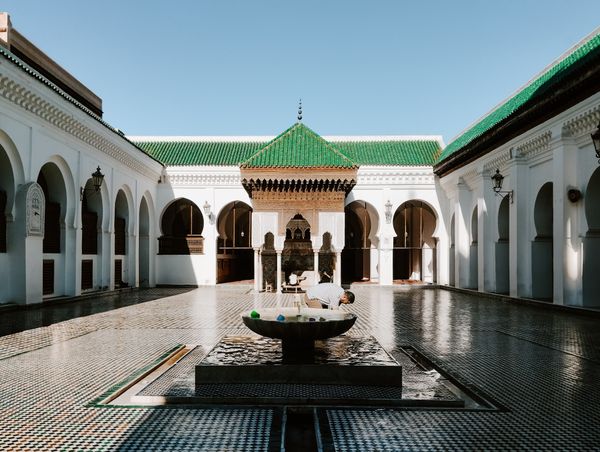
Founded in 859 AD — the world's oldest continuously operating educational institution, according to UNESCO and the Guinness World Records. Non-Muslims cannot enter the mosque but can view the courtyard.
The "new city" (built in 1276!) houses the Royal Palace with its stunning golden brass doors, and the historic Jewish quarter (Mellah) with its distinctive architecture and wrought-iron balconies.
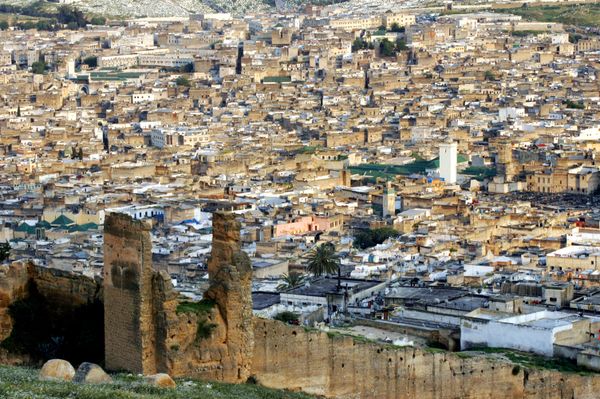
Hike or take a taxi to these 14th-century ruined tombs on the hill above Fes for the most spectacular panorama of the medina. Come at sunset for breathtaking golden hour shots.
Adjacent to the Qarawiyyin mosque, this 14th-century madrasa is a jewel of Islamic architecture. Named after the spice sellers (attarine) who traded nearby. The central courtyard is extraordinary.
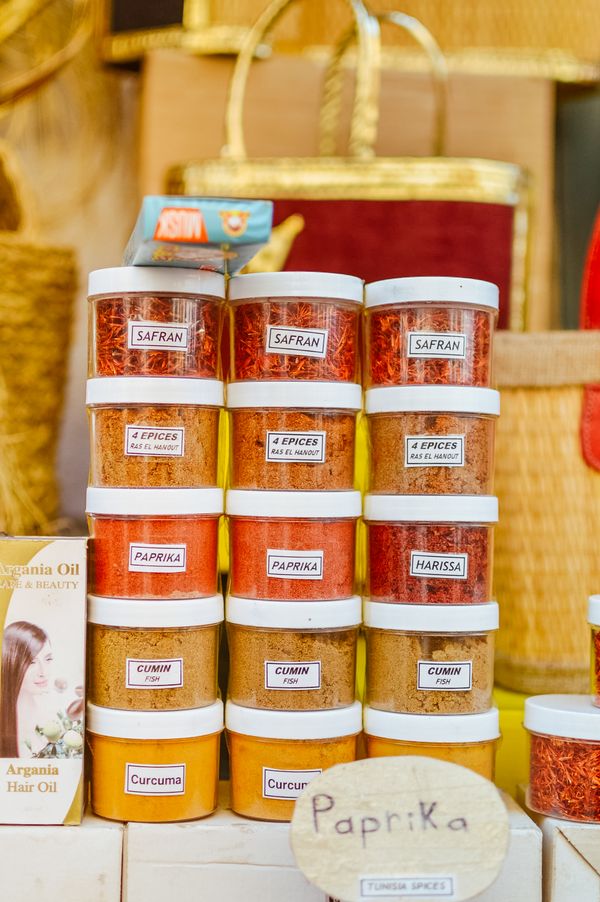
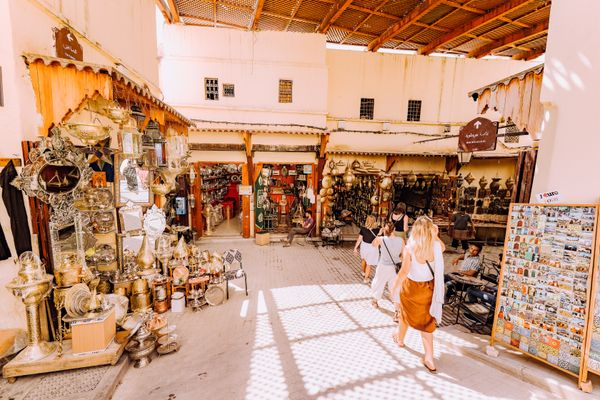
Fes souks are organized by trade — the spice quarter, brass workers, weavers, dyers. Follow your nose through the spice souk, watch artisans at work, and discover the city's legendary craft traditions.
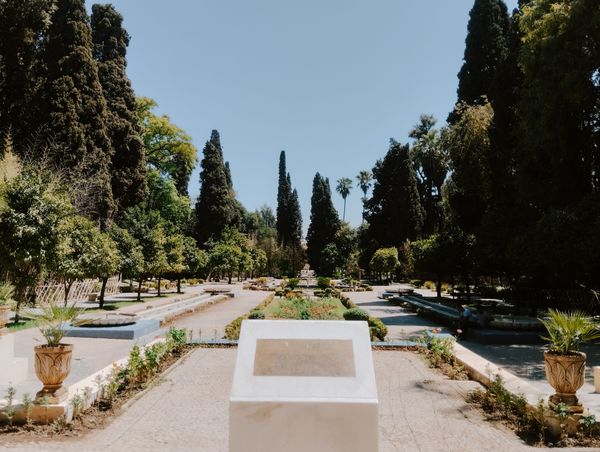
A magnificent 19th-century royal garden — shaded tree-lined alleys, fountains and a large lake just outside Bab Bou Jeloud. The perfect escape from the medina's intensity. Free entry, always open. Fes's most beautiful green space.
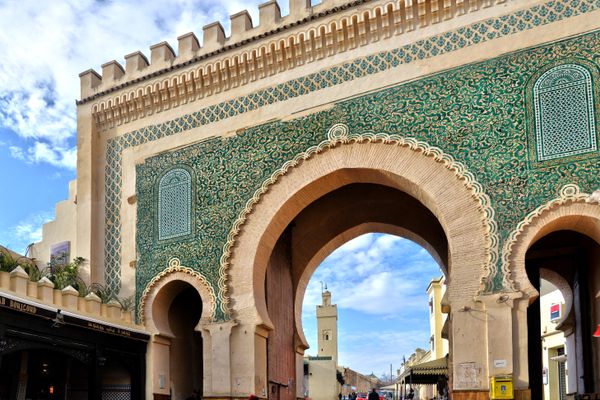
The iconic entry gate to Fes el-Bali — blue on the outside (for Fes), green on the inside (for Islam). Built in 1913, it's the perfect backdrop for photos and the starting point for medina exploration.
Fes cuisine is considered the most refined in Morocco. A cooking class with a local family — visiting the spice market, then cooking bastilla, tagine and pastilla — is the most immersive experience available.
Everything this page can't fit: hidden hammams, the best riad breakfast spots, our custom medina walking routes, haggling scripts for the souks, restaurant reviews with GPS pins, plus a full 4-day itinerary.
Choose your neighbourhood — each has a different personality
The real Fes experience — riad hotels in the heart of the medina. No cars, total immersion. Essential for first-timers. Slightly harder to navigate with luggage.
Modern Fes, built by the French. Wider streets, international hotels, cafes and restaurants. Best for comfort-seekers who want easy taxis to the medina.
Boutique hotels and guesthouses with pool and garden — great for a luxurious base with easy access to Fes. Perfect for families or longer stays.
Compare riads, medina hotels and boutique guesthouses
Fassi cuisine is Morocco's most refined — don't leave without eating well
The best tasting menu in Fes — refined takes on Moroccan classics in an intimate riad setting. Chef Najat Kaanache has been called Morocco's best chef.
Beautiful open-air riad restaurant serving traditional Moroccan dishes. The setting alone — cascading plants, zellige tiles, birdsong — is worth the visit.
A Fes institution beloved by locals and travelers alike. Famous for the camel burger, but also serves excellent traditional dishes. Great for solo travelers.
Don't overlook the medina's street food — kefta sandwiches, bissara (fava bean soup), sfenj (doughnuts) and msemen (flatbread). Head to Place Seffarine for breakfast.
Hidden inside a 200-year-old riad, Dar Hatim serves family-style traditional Fassi meals. Bastilla, pigeon pie and slow-cooked lamb tagine. Book in advance.
Set in a historic palace near the Blue Gate, La Maison Bleue offers a theatrical dining experience with live Andalusian music and a lavish Moroccan feast.
Book these through our trusted partners — vetted guides, instant confirmation
Fes sits in a prime location for exploring northern Morocco
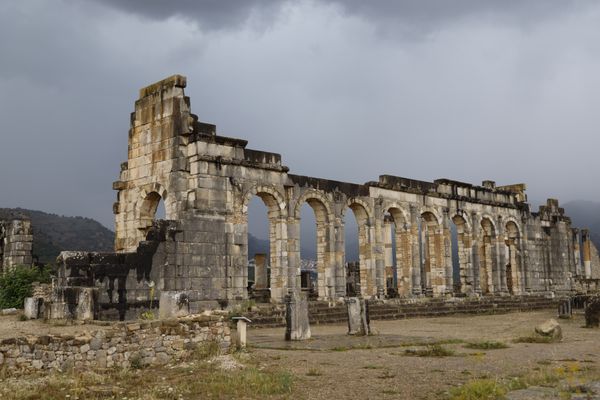
North Africa's finest Roman ruins. 1.5 hrs by car. Combine with Meknes for a full day.
1.5 hrs awayMorocco's least-touristy imperial city — enormous walls, grand gates and excellent cuisine.
1 hour awayThe Blue City — magical mountain town 3 hours away. Perfect 2-day extension.
3 hours awayIfrane (Morocco's Switzerland) and cedar forests with wild Barbary macaques.
1–2 hours awayNorthern Morocco Road Trip — Tangier → Chefchaouen → Fes full route guide →
What the guidebooks don't tell you
Maps.me with the Fes medina download is essential — even locals get lost. Don't rely on Google Maps, which has poor coverage of Fes el-Bali's alleyways.
Go to Chouara Tanneries between 9–11am when the dyers are most active and light is best. Many shops offer free terrace access — they'll invite you in, buy something if you can.
Fes is more conservative than Marrakech. Women should cover shoulders and knees throughout the medina. A scarf is essential near mosques and madrasas.
The medina will defeat you without context. Hire an official guide (through your riad or the tourist office near the Blue Gate) for your first day, then explore freely after.
The tanneries have a powerful smell — shop owners will offer you mint to hold under your nose. Buy a bunch from any stall beforehand. It genuinely helps.
Fes has beautiful old public water fountains (sebils) throughout the medina — these are fine to drink from. Carry a refillable bottle to save on plastic.
During Ramadan, Fes becomes magical at night — the medina fills with food stalls after iftar, music drifts from mosques, and families gather in the streets. Plan around it, not away from it.
Bargaining is expected everywhere in the souks. Start at 30–40% of the asking price and work up. Walk away slowly — you'll often be called back with a better deal. Smile throughout.
Unlike some tourist medinas, Fes locals genuinely dislike being photographed without permission — especially women and craftsmen at work. Always ask (a nod and pointing to your camera works). Respect a refusal.
How to reach Morocco's most ancient city
Fes-Saïs Airport (FEZ) has direct flights from London, Paris, Brussels, Amsterdam and more. Ryanair, easyJet and Royal Air Maroc all serve Fes. Taxi to medina: ~80 MAD.
ONCF trains connect Fes to Casablanca (4h), Rabat (3h) and Marrakech (via Casablanca, 8h). The train station is in Ville Nouvelle — taxis to medina take 10 min.
CTM and Supratours buses connect Fes to Marrakech (8h), Chefchaouen (3.5h), Casablanca (5h). Comfortable, air-conditioned and affordable. Book ahead in peak season.
Heading to Marrakech? Every Fes → Marrakech option compared — train, bus, scenic road trip →
Fes is Morocco's culinary capital — ancient city techniques, original Andalusian recipes and the country's most complex spice tradition all concentrated in the world's largest car-free medieval city.
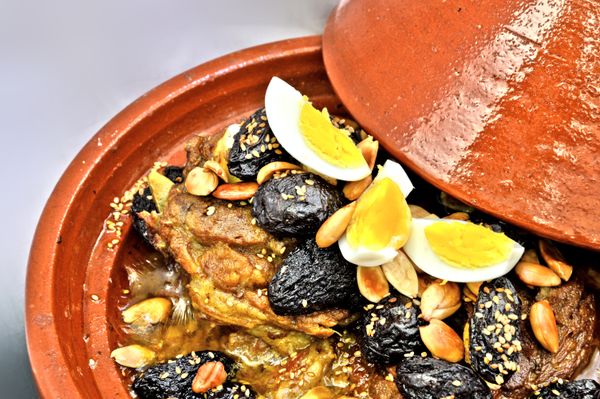
The original bastilla — layers of flaky warqa pastry, braised pigeon, egg and almonds, scented with cinnamon and topped with powdered sugar. It originated in Fes during the Andalusian influx. Seek it at Riad Rcif or the medina restaurants near Bab Guissa.
In Fes, couscous is a Friday ritual — families gather for the traditional midday meal. The Fassi version is richer than elsewhere, topped with seven vegetables, smen (aged butter) and a separate broth. Ask your riad to arrange a home couscous lunch.
Fes's mechoui (slow-roasted lamb) sellers operate from unmarked doorways in the souks — ask locals to point you to the nearest one. Portions are sold by weight; 100g is plenty for a sandwich in a warm khobz roll. Under 30 MAD.
Fes's mint tea is a science — the quantity of tea, the steeping time, the pouring height. Order at Café Clock in the medina or any traditional hanout (corner shop) for the authentic experience. Never rush the ritual.
Fes's most celebrated celebratory dish — slow-cooked chicken with lentils, fenugreek and msemen flatbread, drenched in a rich ras el hanout broth. Traditionally served to new mothers. Ask your riad to arrange a home-cooked version — it's rarely on restaurant menus.
Restaurant Nur (Derb Slane) — upscale Fassi cuisine; Café Clock — creative camel burgers and traditional; Addar — terrace views over Fes el-Bali; medina street food at Rcif market (20–40 MAD for a full meal).
Don't navigate the world's most complex medina without our complete guide. Custom maps, restaurant picks, insider routes and a full 4-day itinerary.
2 to 3 days is the sweet spot for Fes. Day 1 covers Fes el-Bali — the Chouara tanneries, Al-Attarine Madrasa and the souks. Day 2 adds Bou Inania Madrasa, Borj Nord Museum and the Jewish quarter of Fes el-Jdid. A third day works well for a day trip to the Roman ruins at Volubilis and the holy city of Moulay Idriss.
Yes — the Fes medina is generally safe for solo travellers, including women. The main challenge is navigation: the medina has over 9,000 alleys and it is very easy to get lost. Persistent touts near the tanneries are common. Stay confident, use offline maps, and consider a licensed guide for your first half-day.
Fes is most famous for its medina (Fes el-Bali), a UNESCO World Heritage Site and the world's largest car-free urban zone; the Chouara tanneries, where leather has been dyed in stone vats since the 11th century; and Al-Qarawiyyin University, founded in 859 AD and recognised as the oldest continuously operating university in the world.