Morocco rewards a well-packed bag. The country spans four distinct climates — Atlantic coast, high mountain, arid desert, Mediterranean north — and travel between them is fast. A good kit works in all of them. This list is built from thousands of reader trips and updated yearly.
Bag & Luggage Choice
Backpack vs Rolling Suitcase
For medina stays: backpack wins. The alleyways of Fes, Marrakech and Chefchaouen medinas are often too narrow for a wheeled suitcase, and the cobblestones are brutal on wheels. A 40–50L backpack (or a soft-sided duffel) navigates these spaces easily.
If you're staying in modern hotels or staying in one city, a rolling case is fine. For multi-city trips combining medina riads and desert camps, backpack is the practical choice.
Recommended: Osprey Farpoint 40 (carry-on size, ATOL-compliant) or Deuter Aircontact 45. Both fit European carry-on limits and handle medina cobblestones with dignity.
Clothing — By Season
Spring & Autumn (Mar–May, Sep–Nov) — Ideal Conditions
- 3× loose linen/cotton trousers or maxi skirts
- 4× lightweight shirts/blouses (shoulders covered)
- 1× mid-layer (lightweight fleece or cardigan)
- 1× light jacket (evenings can be cool)
- 2× scarves (sun, dust, modesty, cold evenings)
- Comfortable walking shoes (1,000+ steps/day in medinas)
- Sandals for riad & hammam visits
- Swimwear (hotel pools, beach)
Summer (Jun–Aug) — Hot & Dry
- Loose linen everything — cotton gets heavy with sweat
- Light colours only (dark colours absorb heat)
- 1× wide-brimmed hat (essential in the desert)
- No heavy layers — a light cardigan for AC blasts
- Swimwear for hotel pools (you'll live in them)
- Flip-flops in addition to walking shoes
Winter (Dec–Feb) — Cold Nights, Mild Days
- Warm base layer (merino wool is best)
- Mid-layer fleece or down gilet
- 1× waterproof jacket (rain likely in north)
- Warm gloves + hat (Atlas Mountains; desert nights)
- Thermal leggings for trekking
- Warm socks — riad floors are cold stone
Health & Pharmacy Kit
Essential Health Items
- Diarrhea tablets (traveller's stomach — very common)
- Oral rehydration salts (ORS sachets)
- Antihistamine tablets (pollen, dust, bites)
- Antihistamine cream (insect bites)
- Ibuprofen + paracetamol
- Blister plasters (medina cobblestones destroy feet)
- Sunscreen SPF 50+ (UV is intense, especially Sahara)
- Lip balm with SPF
- Hand sanitiser gel
- Electrolyte tablets or sachets
- Prescription medicines (+ extra supply)
- Travel insurance documents (see our insurance guide)
Morocco has excellent pharmacies in every city and town. Basic medicines are available without prescription and are cheap. You don't need to overpack on medical supplies — just the essentials listed above.
Stomach Illness Prevention
- Drink bottled or filtered water (tap water is treated in cities but many prefer bottled)
- Avoid raw salads at street stalls in the first 2 days while your gut acclimatises
- The medina food stalls are generally safe — cooked street food is lower risk than raw produce
- Peel fruit yourself
Tech & Gadgets
Electronics Checklist
- Power adapter (Type C/E — European 2-pin round plug)
- Portable power bank 10,000–20,000mAh
- Unlocked phone for local SIM (see SIM card guide)
- Offline maps (Maps.me or Google Maps offline)
- Headtorch / head lamp (desert camps, medina power cuts)
- Camera (phone cameras are excellent, bring a real camera for desert)
- USB-C charging cable × 2
- Laptop / tablet if working remotely
Morocco SIM tip: Buy a Maroc Telecom or Inwi SIM at the airport on arrival. 20GB data costs ~50 MAD ($5). Works across the country including the Sahara. Full guide: Morocco SIM Card Guide.
Desert & Trekking — Extra Kit
If your itinerary includes the Sahara (Merzouga/Erg Chebbi) or Atlas trekking (Toubkal), add the following:
Desert & Trekking Additions
- Buff / scarf (desert dust and sandstorms)
- Sunglasses with UV protection (high altitude and desert glare)
- Warm layer for desert nights (temperatures drop to 5–15°C)
- Waterproof hiking boots (Toubkal; muddy Atlas trails)
- Trekking poles (Toubkal summit — very useful on descent)
- High-altitude sunscreen (SPF 50+ minimum above 2,500m)
- Water bladder 2L+ (hydration pack for long hikes)
- Gaiters (sand keeps getting into shoes in dunes)
- Torch/headlamp (desert camps have no electricity)
- Emergency whistle (Toubkal — standard mountain safety)
Documents & Money
Documents Checklist
- Passport (valid 6+ months beyond travel dates)
- Printed or offline flight bookings
- Hotel/riad confirmations (printed or offline)
- Travel insurance documents + emergency number
- Driving licence (if renting a car)
- Emergency contact list
- Copies of passport (stored separately from original)
- Currency: Moroccan Dirham (MAD) — exchange at airport or city banks
- Credit/debit card (Visa/Mastercard accepted at most hotels; carry cash for markets)
ATM tip: Withdraw cash at Attijariwafa Bank or CIH Bank ATMs — they charge the lowest foreign card fees. Avoid the currency exchange booths near Djemaa el-Fna (poor rates). Most riads and restaurants in the medina are cash-only.
What to Leave at Home
- Drone — drones require a permit in Morocco (almost impossible to obtain for tourists) and are confiscated at customs. Leave it.
- Lots of formal clothing — Morocco is casual. Even the best restaurants don't require formal dress.
- Expensive jewellery — pick-pocketing risk in souks; leave valuables at home or in the riad safe.
- Full medical kit — Moroccan pharmacies have everything you need at low cost.
- A hair dryer — almost every riad and hotel provides one.
- Guidebooks — heavy, outdated before they're printed. Use online resources and our downloadable guides instead.
What to Buy in Morocco Instead of Packing
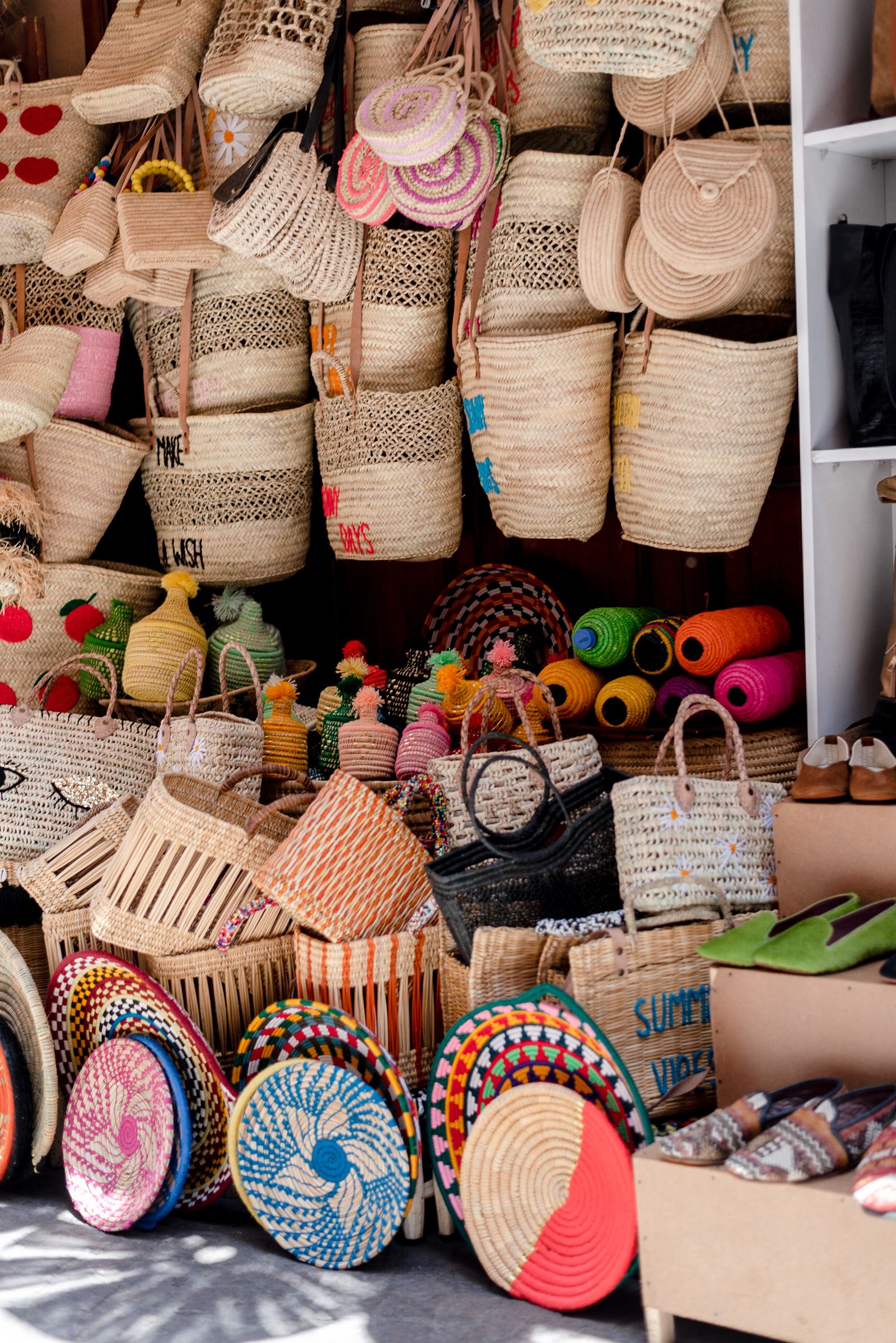
Morocco is a shopper's paradise. Many travellers arrive light and leave with a second bag. Things worth buying there rather than packing:
- Scarves — hundreds of designs, 30–150 MAD each. No need to pack them from home.
- Light cotton clothing — djellabas and loose shirts are sold everywhere and are perfect for the climate.
- Argan oil — buy directly from a cooperative near Essaouira or Agadir (see our argan guide).
- Babouches — traditional leather slippers. Light, pack flat, excellent quality.
- Spices — ras el hanout, saffron, cumin — buy at the Fes or Marrakech spice souks. Far cheaper and fresher than in Europe.
Morocco Unveiled
Everything else you need to plan your trip
Visas, budget, transport, safety, SIM cards — all in our free practical info section.
Practical Info →