Morocco's cosmopolitan powerhouse. Home to the world's third-largest mosque, extraordinary Art Deco architecture, the country's finest restaurants, and a energy that no other Moroccan city can match.
Most travelers pass through Casablanca on their way to Marrakech and miss its real character. That's a mistake. "Casa" is the beating economic heart of Morocco — a city of Art Deco boulevards, rooftop restaurants, beach clubs and a nightlife scene that runs until 4am.
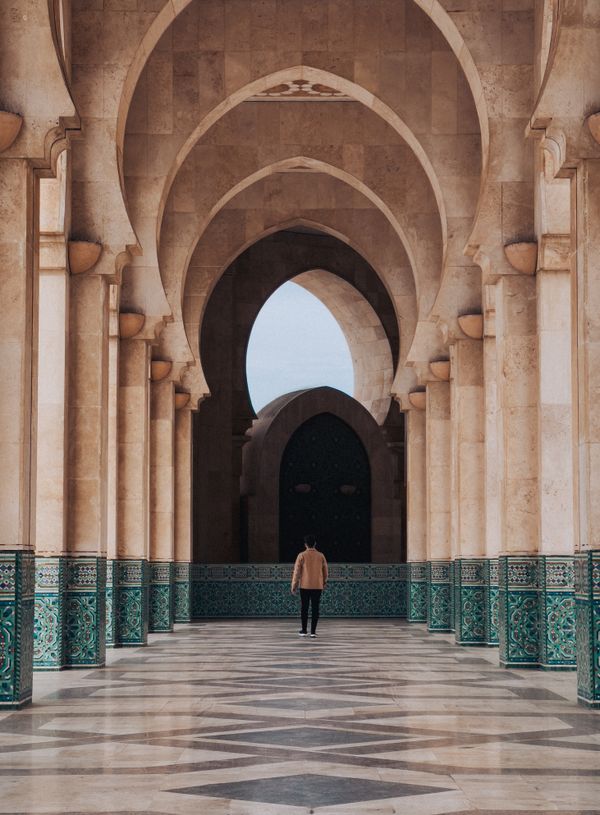
The Hassan II Mosque alone justifies a visit — it's one of the most extraordinary religious buildings on earth, with its ocean-facing prayer hall built literally over the Atlantic. Guided tours are available to non-Muslims, one of the few mosques in Morocco where this is possible.
Beyond the mosque, Casablanca rewards the curious traveler: the Art Deco medina is unique in Morocco, the Corniche beach promenade is a world-class evening scene, and the restaurant scene is the best in the country.
Ideal (18–24°C). Atlantic breeze. The corniche is at its best, city gardens bloom. Best combination of weather and low crowds.
Warm (24–28°C) but ocean breeze keeps it pleasant — cooler than inland cities. Beach season. Busy but vibrant.
Casablanca's best season — warm, clear, calm (20–26°C). The Hassan II Mosque is dramatic in autumn light.
Mild (12–18°C) with Atlantic rain. A year-round business city — hotels stay busy. Cheapest leisure rates.
Complete Insider Guide
The Casablanca Guide — Hotels, Restaurants & Hidden Gems
PDF guide · 40+ pages · Instant download · 30-day money-back
The mosque, the Art Deco, the Corniche — and what travelers miss
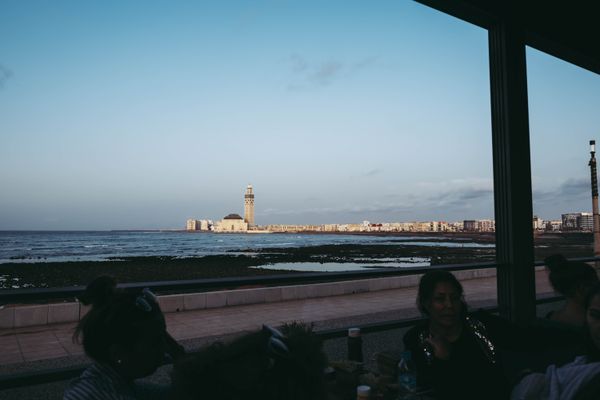
The world's third-largest mosque and one of its most spectacular — with a 210m minaret (the world's tallest), a retractable roof, heated marble floors and a prayer hall for 25,000 built over the ocean. Guided tours for non-Muslims run daily.
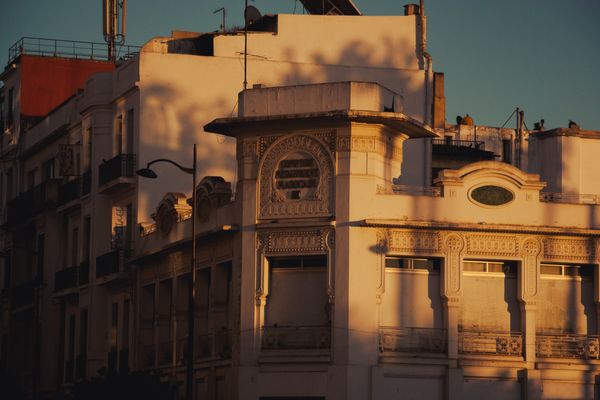
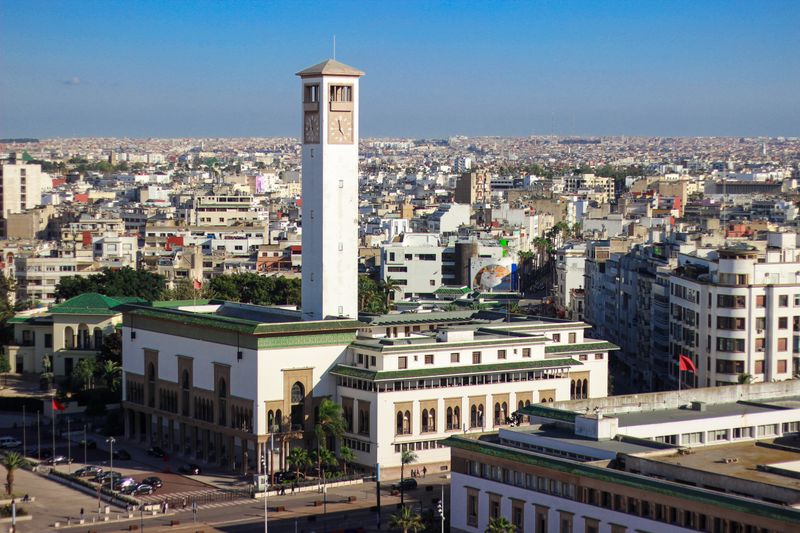
Casablanca has one of the world's finest collections of Art Deco buildings — built by the French between 1920–1950. The area around Boulevard Mohammed V is an open-air architecture museum. Get the free walking map from the tourism office.
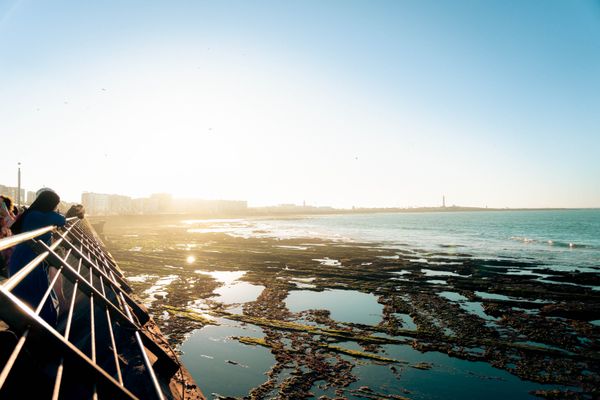
Casablanca's seaside promenade stretches for 5km along the Atlantic — beach clubs, seafood restaurants, cafés and the energy of the city's finest residents. Best from 5pm as the heat drops and the city comes alive.
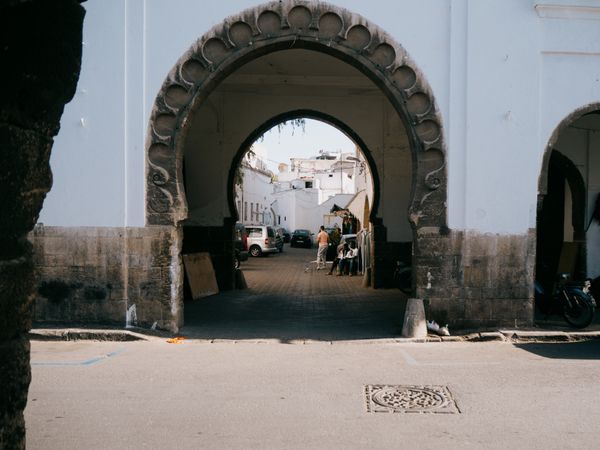
Casablanca has two medinas — the old one near the port (authentic, rough-around-the-edges) and the "new" Habous quarter built by the French in 1930s in neo-Moorish style. Habous has excellent pastry shops and bookstores.
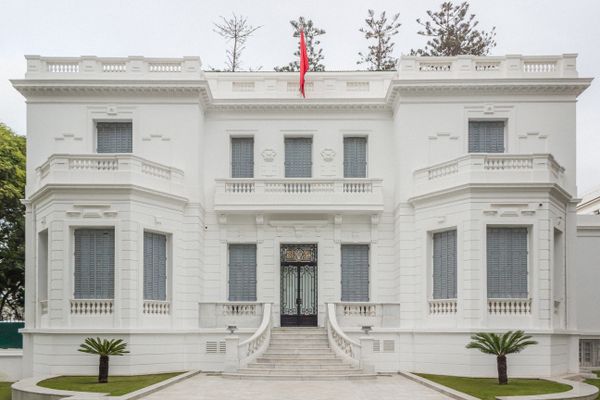
Casablanca is Morocco's contemporary art capital. Villa des Arts hosts excellent rotating exhibitions in a beautiful Art Deco mansion. The broader Maarif district has dozens of private galleries worth exploring.
There was no real Rick's Café in the 1942 film — but this recreation is so well done it feels like stepping into the movie. Great cocktails, live jazz, and a sophisticated atmosphere. Worth visiting for the fun of it.
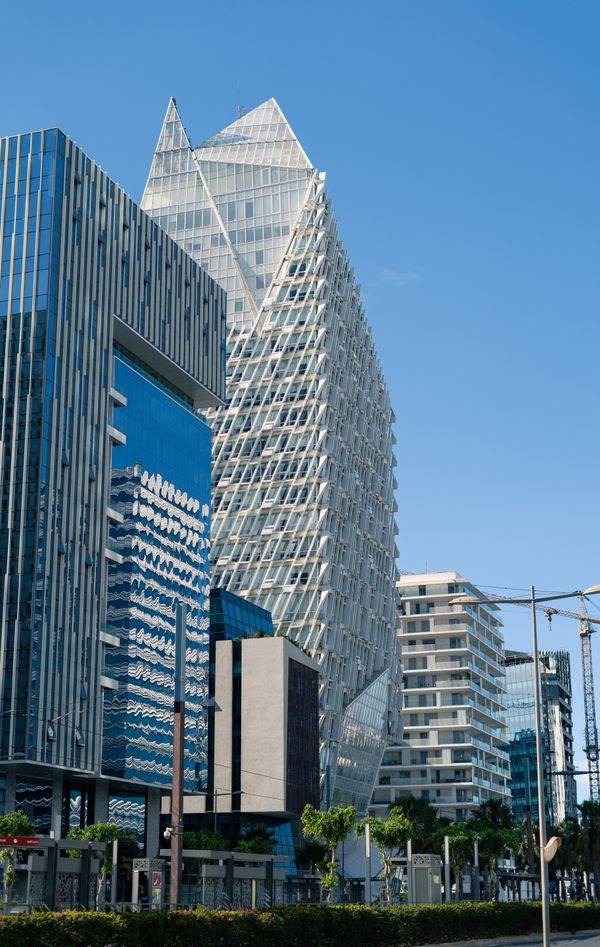
One of Africa's largest malls, on the Corniche. Not essential tourism, but reveals the real Casablanca — a wealthy, modern city with global brand shops, an aquarium and a massive waterfall atrium. Fascinating sociologically.
Casablanca has Morocco's best nightlife — rooftop bars in the Maarif district, cocktail bars near the Corniche and clubs that run until dawn. The city only truly comes alive after 10pm. Reserve dinner tables in advance.
The green heart of central Casablanca — a vast French-designed park flanked by the magnificent Sacré-Cœur cathedral (now a cultural centre) and Art Deco buildings. Excellent morning jogging and picnic spot.
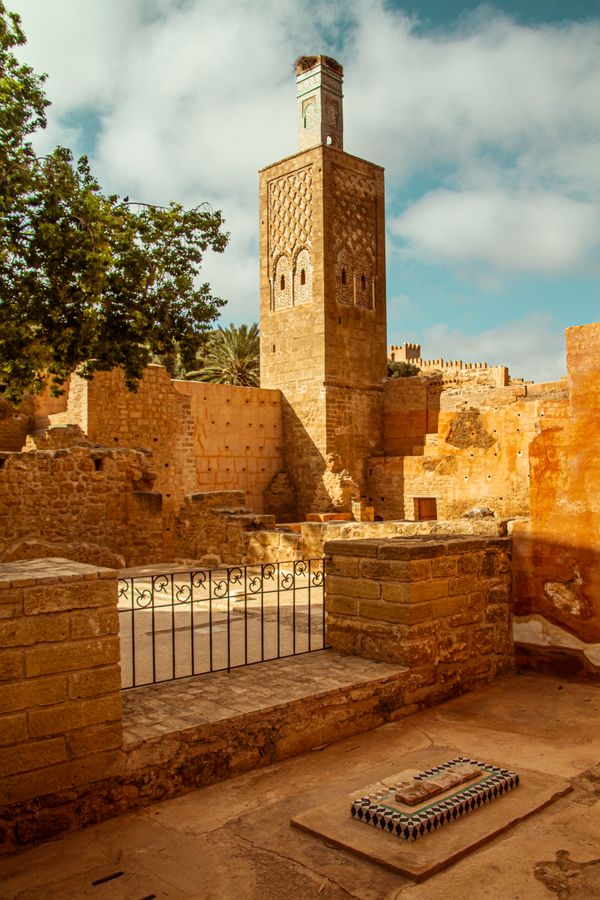
Morocco's elegant capital is just 1 hour by train from Casa. The Hassan Tower, Kasbah des Oudaias and the Chellah Roman ruins make for a great day out. Very different vibe from Casablanca — quieter, more refined.
Our guide covers the Art Deco walking routes (with architect notes), best restaurant tables by neighbourhood, the Corniche beach club rankings, nightlife picks and a 2-day Casablanca itinerary including a Rabat day trip.
A big city with distinct neighbourhoods — choose based on your priorities
Business hotels and mid-range options near the Art Deco quarter. Best for sightseeing, walking distance to the old medina and major attractions. Good transport links.
The trendy beachside district — luxury hotels, beach clubs, restaurants and bars. Ideal for a leisure trip. Slightly far from main sights but the most glamorous base.
If you have an early flight or are transiting — business hotels cluster around CMN. Not for sightseeing, but convenient and well-serviced. The ONCF train connects to city in 45 min.
Compare city centre hotels, business hotels and Corniche properties
Morocco's finest dining — Moroccan classics to French-Moroccan fusion
Inside the old Portuguese ramparts near the port — a beautiful garden restaurant serving outstanding traditional Moroccan cuisine. Bastilla, tagines and couscous at their best. One of the city's great classics.
On the rocks above the ocean near the Corniche — one of Casablanca's most spectacular settings. Fresh seafood and French-Moroccan cuisine. Book sunset table for the best experience.
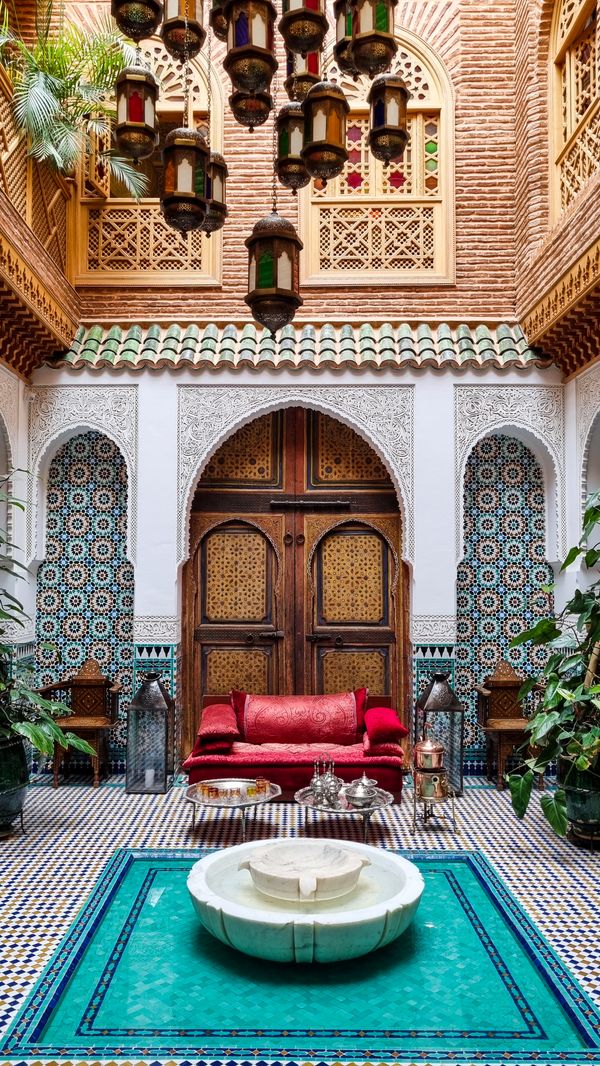
Refined Moroccan cuisine in an elegant traditional palace setting near the Hassan II Mosque. Excellent for special occasions. The bastilla au pigeon and lamb tagine are exceptional.
In the Old Medina's ramparts — a charming tea house with sea views. Perfect for mint tea and Moroccan pastries between sightseeing. Possibly the most scenic café in Casablanca.
The Maarif district's street food scene is Casablanca's best-kept secret — exceptional shawarma, fresh juice stalls, snail soup (babbouche) vendors and late-night sandwich spots that young Casaouis love.
Touristy? Yes. Worth it? Also yes. The 1940s film set atmosphere with live jazz is genuinely good fun. Excellent cocktails, reasonable food. Best for a drink rather than a full meal.
From someone who knows the city beyond the tourist brochure
The Hassan II Mosque guided tour runs at fixed times — if you turn up at the wrong time you'll miss it. Tours are in French and English. The interior is even more extraordinary than the exterior.
Casablanca has a modern tram network — the T1 line connects the city centre, Hassan II Mosque and the Ain Diab Corniche. Cheap, air-conditioned, and avoids traffic. Buy a rechargeable card.
Download the free "Itinéraires Art Déco" map from the tourism office or online. The 45-minute walk around Boulevard Mohammed V and Place Mohammed V is unlike anything else in Africa.
Casablanca doesn't really start until 9pm. Dinner at 9, drinks until 1am, clubs until 4am. If you go to bed at 10pm you've missed the entire point of the city. Embrace the late rhythm.
Casablanca is a modern, cosmopolitan city. Women in shorts are common. There's far less attention to tourists than in Marrakech. Relax, dress how you normally would for a warm city.
Casablanca Casa-Voyageurs station is the hub of Morocco's excellent rail network. Trains to Marrakech, Fes, Rabat and Tangier run from here. Plan your Morocco trip with Casablanca as the transit point.
Hassan II Mosque is one of the world's genuinely great buildings — the guided tour is unmissable. But skip the other mosques on any list (non-Muslims can't enter most anyway). Put the time into the corniche and the art deco district instead.
The best Casablanca seafood restaurants serve their freshest catch at lunch, when the morning boats have just unloaded. Restaurant du Port de Pêche is the benchmark — get there before 1pm on weekdays for the best selection.
Everyone skips Casablanca's medina for the Hassan II Mosque — which means you'll have it to yourself. It's not on the same scale as Fes or Marrakech, but it's completely authentic and pressure-free. An hour here is well spent.
Morocco's main international gateway
Mohammed V Airport is Morocco's largest hub with direct flights from 60+ cities. ONCF train connects airport to city centre (45 min, 43 MAD). Taxis are 200–300 MAD.
ONCF trains from Casa-Voyageurs to Marrakech (3h), Fes (3.5h), Rabat (1h), Tangier (5.5h). The Al-Boraq high-speed train (TGV) connects to Tangier in 2h15. Excellent value.
Modern tram (T1 and T2 lines) covers most tourist areas cheaply. Petit taxis (red) within city zones are metered and fair. Always insist on the meter. Avoid driving in central Casa.
Beyond the mosque — Morocco's most cosmopolitan city has Art Deco architecture, a thriving arts scene, and the country's best Atlantic seafood.
One of the world's largest mosques — the minaret at 210m is the tallest religious structure on earth. Non-Muslim guided tours run daily at 9am, 10am, 11am and 2pm (~150 MAD). The seafront terrace over the Atlantic alone justifies the visit. Book same-day at the entrance.
Casa has the finest Art Deco architecture outside of Miami — the 1920s–40s Protectorate era left the Maarif district with extraordinary buildings. The Syndicat d'Initiative tourist office runs free weekend tours; alternatively, the Casablanca Urban Planning Agency publishes a free self-guided map.
No, it wasn't in the 1942 film — but the 2004 recreation is a love letter to the movie. Excellent cocktails and live jazz most evenings from 7pm. Dinner reservations recommended; bar walk-ins usually fine. A genuinely good bar, not just a tourist trap.
Built by the French in the 1930s as a purpose-designed medina — the result is an oddly beautiful hybrid: Moroccan architecture, wide streets, no hassle. Best patisseries in Morocco are here (try macarons and cornes de gazelle). 10-minute taxi from Hassan II Mosque.
The 4km coastal boulevard lined with beach clubs, restaurants and cafés. Most animated from 6pm — locals promenade, the seafood restaurants fill up, the Atlantic turns gold. Neptune Beach Club has good Atlantic views; El Hank lighthouse is a free viewpoint.
A beautiful 1930s Art Deco villa converted into a contemporary arts centre — rotating exhibitions, permanent Moroccan modern art collection, garden café. Free entry Tuesday–Sunday. One of Casablanca's most pleasant surprises.
Casablanca's central location on the Atlantic coast makes it Morocco's best transport hub — Rabat, El Jadida, and Fes are all accessible by rail.
Morocco's elegant capital is 55 minutes north on a frequent train (every 30 min, 45 MAD). Half-day enough for the Kasbah des Oudaias, Chellah, and the medina. Full day adds the Mohammed VI Museum of Modern Art and a lunch at a riad restaurant.
Portuguese colonial city 90km south — the UNESCO-listed Cité Portugaise has a stunning underground cistern (immortalised by Orson Welles) and well-preserved bastions. Almost entirely un-touristed. CTM bus (~40 MAD) or train to Jadida. Half-day in the medina is enough.
A long but rewarding day: ONCF train to Meknès (3h from Casa Voyageurs), Imperial City and Volubilis Roman ruins by taxi, evening return. The TGV from Casa to Meknès cuts it to 2.5h. Budget the whole day.
A lagoon village 180km south famed for Morocco's finest oysters — eaten fresh at the lagoon-side restaurants for €8–12 a dozen. CTM bus from Casa (~60 MAD). Combine with El Jadida for a full coastal day.
Casablanca eats well across every spectrum — from Royal Air Maroc business lunches to the freshest fish at the port, authentic Moroccan home cooking in the old medina, and a booming modern restaurant scene in Anfa and Gauthier.
The definitive Casablanca dish — dorade, sole or sea bass marinated in chermoula (parsley, saffron, cumin, preserved lemon, garlic) then grilled over charcoal. The corniche and Ain Diab port restaurants serve it at its freshest. Midweek lunches, when tourists are absent, are exceptional.
Morocco is the world's largest sardine exporter and Casablanca handles most of the catch. Plump charcoal-grilled sardines drizzled with argan oil and cumin cost 20–30 MAD at port-side stalls. Eaten with khobz bread straight off the grill, they are one of Morocco's great cheap meals.
Casablanca's version of the Friday couscous is richer than elsewhere — the city's diverse population means you'll find Fassi, Amazigh and Saharan couscous variants all within a few blocks of each other. Best at family-run medina restaurants.
The authentic Casablanca café order is a "noss-noss" — a half-shot espresso topped with hot frothy milk, drunk standing at zinc counters on Boulevard Mohammed V. Paired with meloui (thick layered pancake) drizzled with butter and honey. Morning breakfast 20–35 MAD.
Casablanca's medina restaurants serve exceptional bastilla — crisp warqa pastry stuffed with slow-cooked pigeon, almonds, cinnamon and egg, dusted with icing sugar. A dish of Andalusian origin perfected by the city's Fassi community. Rick's Café does a celebrated version; book ahead.
Sqala — tagines in a garden inside the old medina bastion, ~80 MAD; Le Cabestan — seafood with Hassan II Mosque views; Brasserie La Bavaroise — Art Deco French institution since 1949; La Bodega — lively tapas and Moroccan fusion in the Maarif district.
Our complete guide unlocks the city beyond the mosque — Art Deco walks, rooftop bars, the best restaurant tables and a day-by-day itinerary.
Casablanca is Morocco's economic capital and largest city, known primarily for the Hassan II Mosque — one of the largest mosques in the world and the only one in Morocco open to non-Muslim visitors. The city is also famous for its Art Deco architecture from the French Protectorate era, the old medina and its role in Humphrey Bogart's 1942 film (which was actually shot in Hollywood — no scenes were filmed here).
1 to 2 days is enough for most visitors. Day 1: Hassan II Mosque (book ahead), the old medina and Place des Nations Unies. Day 2: the Corniche, the Art Deco district and a meal at Rick's Cafe for the film atmosphere. Casablanca works well as an arrival city — use it as a base for day trips to Rabat (45 min by train) or El Jadida.
Yes, but with realistic expectations. It's not a traditional Moroccan medina city — it's modern, commercial and cosmopolitan. The Hassan II Mosque alone justifies a visit. For travellers who want imperial medinas, head to Fes or Marrakech. But Casablanca rewards those who appreciate architecture, excellent seafood restaurants and a more local, non-touristy Moroccan urban experience.