Rabat Travel Guide

Morocco's serene royal capital — a city of palaces, storks, Roman ruins and the most elegant, unhurried medina in the country. The imperial city that rewards those who slow down enough to notice it.

Get the Full Guide — $14.99 Explore Free
UNESCO
World Heritage City since 2012
1h
From Casablanca by train
1150
Year the city was founded
2 Days
Ideal length of stay

Morocco's Elegant, Underrated Capital

Ask any seasoned Morocco traveler which city they'd move to, and many say Rabat. While Marrakech overwhelms and Fes bewilders, Morocco's royal capital unfolds at a human pace — wide boulevards, well-preserved monuments and a medina where you can browse souks without being hassled every two steps.

The city has an extraordinary layered history: Phoenician ruins, Roman Sala Colonia, the unfinished 12th-century Hassan Tower, medieval Chellah necropolis, and the UNESCO-listed Kasbah des Oudaias — all within a few kilometres of each other. Yet most tourists bypass it entirely en route to the "big names." Their loss is your gain.

Pair Rabat with a day trip to Casablanca (1 hour by train) or Chefchaouen (3.5 hours by bus) for the perfect northern Morocco circuit.
Best: Apr–Jun & Sep–Nov Train: 1h from Casablanca Royal capital of Morocco UNESCO Heritage City Very low tourist hassle
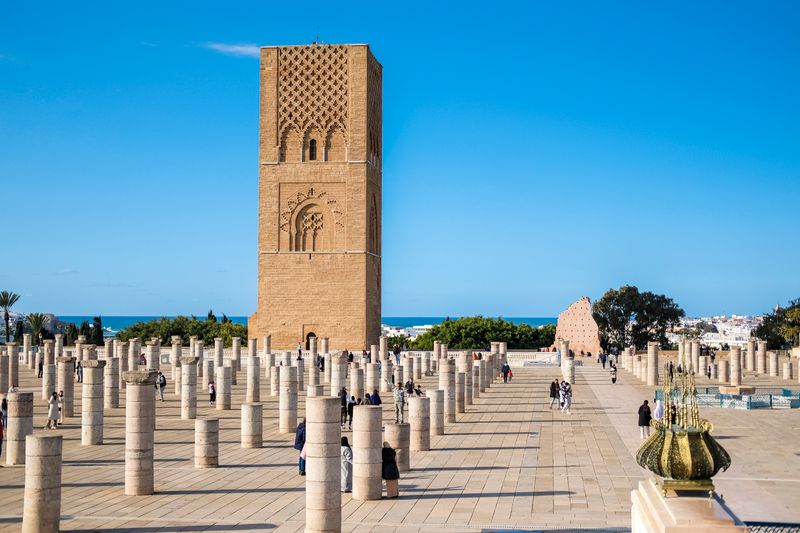
Hassan Tower Rabat

When to Visit Rabat

Best

Spring
Apr – Jun

Perfect 18–25°C. Atlantic breezes keep it cool. Chellah ruins in spring flowers, Kasbah gardens lush green. Low tourist crowds. Best overall months for sightseeing.

Best

Autumn
Sep – Nov

Warm and clear (20–27°C), ideal weather for walking Rabat's wide boulevards. The storks at Chellah return in autumn. Fewer visitors than summer.

Good

Summer
Jul – Aug

Hot (28–33°C) but Atlantic breeze keeps it bearable — much more pleasant than inland cities. Beach days at Plage des Nations are excellent. Book hotels ahead.

Quieter

Winter
Dec – Mar

Mild (12–18°C) but Atlantic rain is frequent, especially December–February. Rabat's museums are excellent year-round and uncrowded in winter. Cheapest hotel rates.

Complete Insider Guide

The Rabat Guide — Hotels, Restaurants & Hidden Gems

PDF guide · 40+ pages · Instant download · 30-day money-back

Get It — $14.99

Top 10 Things to Do in Rabat

Towers, kasbahs, Roman ruins and the most civilised medina in Morocco

Hassan Tower
1

Hassan Tower & Mohammed V Mausoleum

The Hassan Tower was planned to be the world's tallest minaret in 1196 — construction halted at 44m when the sultan died. Surrounded by 200 columns, it's extraordinary. The adjacent Mohammed V Mausoleum is one of Morocco's most beautiful buildings.

Daily 9am–6pm Free Plateau du Mechouar
Kasbah des Oudaias Rabat blue village
2

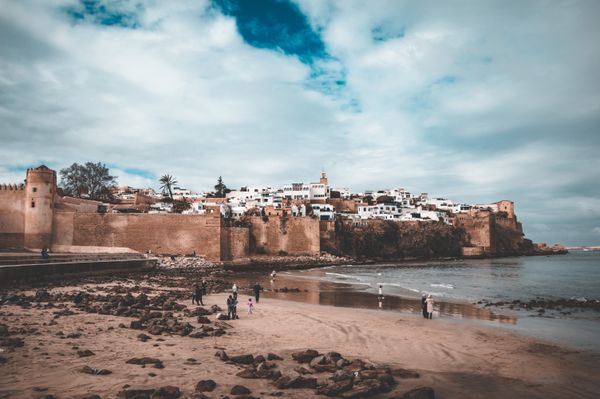
Kasbah des Oudaias

A 12th-century kasbah perched above the Bou Regreg river — blue and white painted alleyways reminiscent of Chefchaouen, with an Andalusian garden and a terrace café overlooking the Atlantic. One of Morocco's most serene spots.

Always accessible Free Atlantic clifftop
Chellah Necropolis ancient ruins Rabat
3

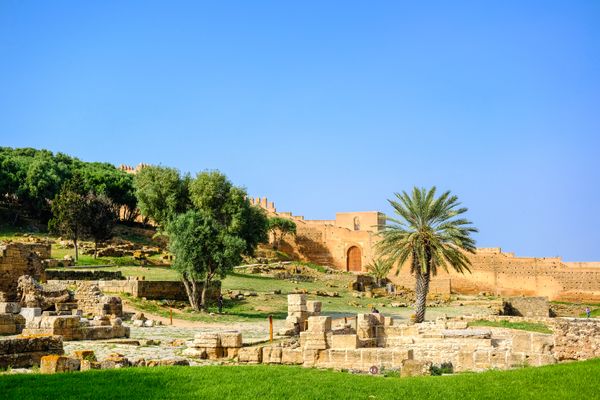
Chellah Necropolis

A walled complex containing both Roman Sala Colonia ruins and a 14th-century Merenid Islamic necropolis — side by side. Wild storks nest in the towers. At dusk the atmosphere is otherworldly. One of Morocco's most underrated sites.

Daily 8:30am–6:30pm 10 MAD Southern Rabat
Rabat Medina ramparts
4

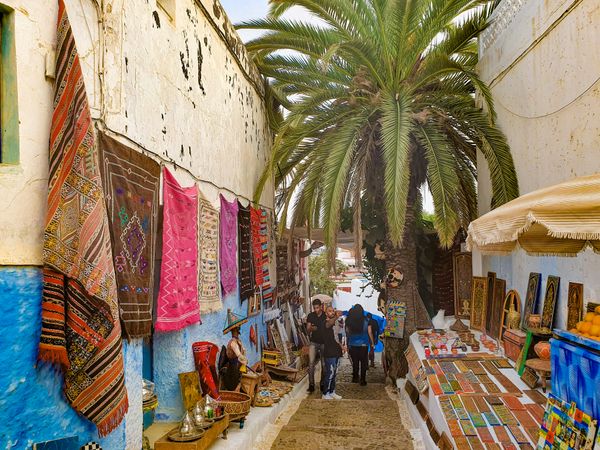
Rabat Medina & Souks

The most pleasant medina browsing experience in Morocco — wide streets, no aggressive touts, authentic craft workshops and a Wednesday souk that locals actually use. A world away from the tourist pressure of Marrakech.

Daily Free Old town
Mohammed VI Museum Rabat fountain
5

Mohammed VI Museum of Modern Art

Morocco's premier contemporary and modern art museum — a world-class institution with rotating exhibitions of Moroccan and international artists. Opened 2014, it rivals any European museum of equivalent size.

Wed–Mon 10am–6pm 60 MAD Hassan district
Bou Regreg riverside Rabat
6

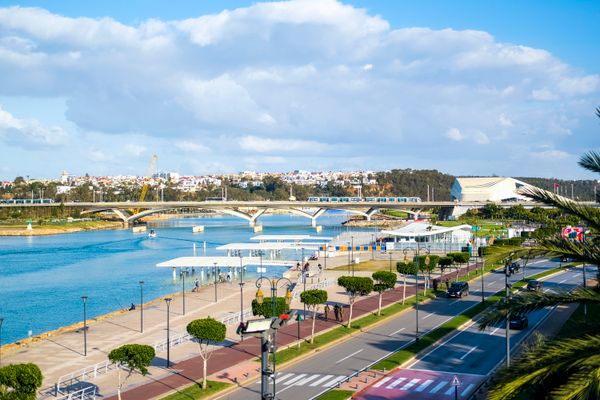
Bou Regreg Riverside & Salé

The wide river separates Rabat from its twin city Salé. A scenic promenade runs along both banks — take a small rowboat across to explore Salé's authentic medina, which sees almost no tourists. The contrast is fascinating.

Boats all day 5 MAD boat ride Riverfront
Almohad walls medieval ramparts Rabat
7

Almohad City Walls

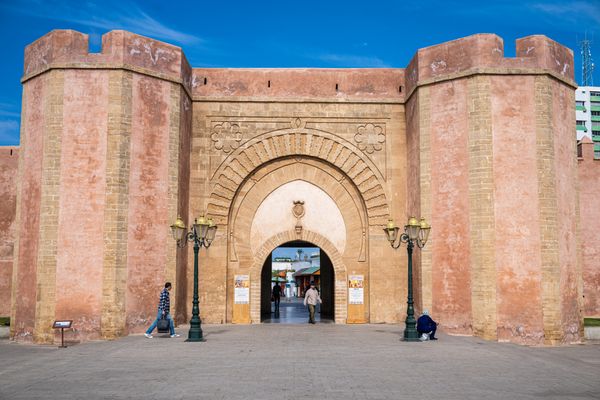
Enormous 12th-century defensive walls still partially encircle Rabat — the finest medieval ramparts in Morocco. Walk along the exterior for a photogenic afternoon stroll, from Bab Zaer through to the sea gate.

Always accessible Free Old medina perimeter
Jardin botanical garden Rabat
8

Jardin d'Essais Botaniques

A magnificent 19th-century botanical garden — a lush green oasis of palms, eucalyptus and exotic trees from around the world. Beloved by Rabati families on weekends, it's one of the city's best picnic spots.

Daily 9am–5pm Free Centre Rabat
Plage des Nations Atlantic beach Rabat
9

Plage des Nations & Atlantic Beaches

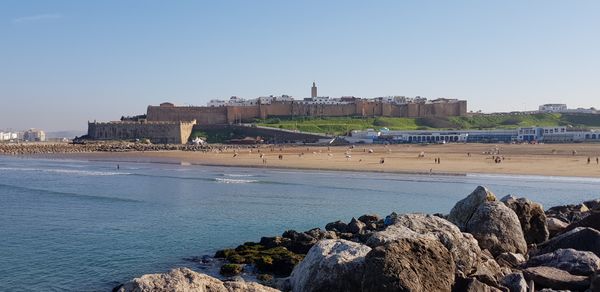
Rabat has surprisingly excellent Atlantic beaches just north of the city. Plage des Nations is the most beautiful — wide, clean and relatively uncrowded. Perfect for an afternoon after a day of sightseeing.

All day Free 15km north
Avenue Mohammed V geometric patterns Rabat
10

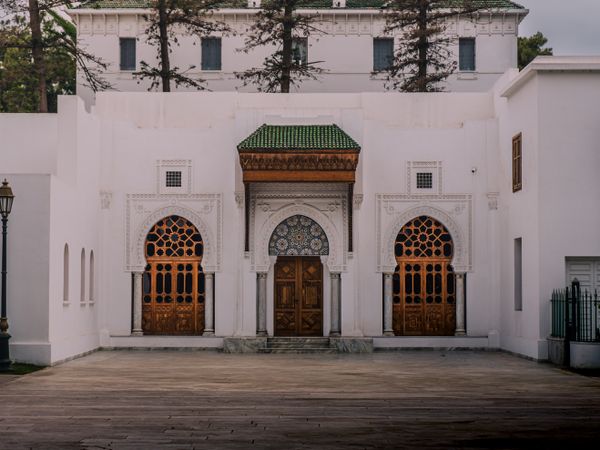
Avenue Mohammed V & Ville Nouvelle

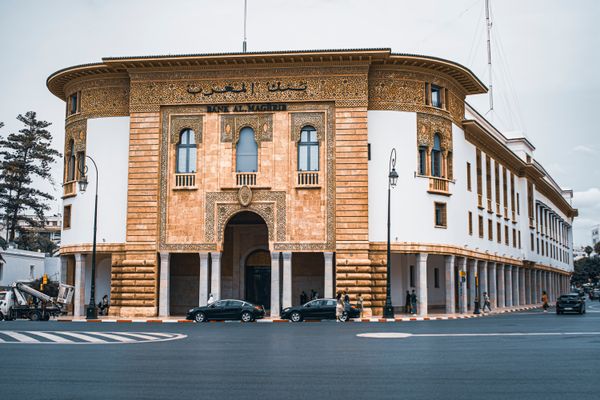
The Ville Nouvelle (new town) built by the French has magnificent Haussmann-inspired boulevards and Moorish-Art Deco hybrid architecture. Walk the length of Avenue Mohammed V for a café terrace, patisserie and people-watching.

Always Free City centre

The Complete Rabat City Guide — $14.99

Our Rabat guide covers every UNESCO site in detail, the best café terraces on Avenue Mohammed V, Salé's hidden medina, day trip routes to Casablanca and Chefchaouen, and a 2-day optimised Rabat itinerary.

  • 2-day Rabat itinerary
  • Chellah sunset photography guide
  • Best restaurant picks by district
  • Salé hidden medina walking route
  • Day trips: Casa, Chefchaouen & Meknes
  • Museum entry tips & timing
  • Instant digital download
Download Now — $14.99

Where to Stay in Rabat

A manageable capital — all areas are well connected

Medina & Kasbah

Riad guesthouses within or near the medina — closest to all main sights. Atmospheric, quiet and very walkable. Best value area for sightseers.

Budget: $40–$180/night

Agdal / Ville Nouvelle

Modern Rabat's best hotels, business accommodation and restaurants. The Agdal district is Rabat's trendiest — great cafés and rooftop bars.

Budget: $60–$250/night

Souissi / Embassy Quarter

Rabat's leafy diplomatic quarter has excellent boutique hotels and private villas. Quieter, greener, and a short taxi to everything. Popular with business travelers.

Budget: $80–$350/night

Find Hotels in Rabat

Compare riads, boutique hotels and business hotels

Insider Tips for Rabat

Morocco's most civilised city — here's how to make the most of it

Chellah at dusk

Visit the Chellah necropolis in the last hour before closing — when storks are flying and swallows swirl over the ruins. One of the most atmospheric moments in all of Morocco.

Free museum Fridays

Many of Rabat's national museums offer free entry on Friday mornings. The Mohammed VI Museum of Modern Art is free 10am–noon on Fridays — plan your visit accordingly.

Cross to Salé by boat

Don't miss the 5-dirham boat ride across the Bou Regreg to Salé. The old medina of Salé is completely tourist-free and utterly authentic — a window into daily Moroccan life.

Ideal rail hub

Rabat Ville station connects to Casablanca (1h, frequent), Fes (2.5h), Tangier (4.5h) and Marrakech (4.5h). Using Rabat as your Morocco base makes rail touring remarkably easy.

UNESCO World Heritage City

Rabat was inscribed as a UNESCO World Heritage Site in 2012 as a single entity — "Rabat, Modern Capital and Historic City." The Hassan Tower, Chellah, Kasbah des Oudaias and the Ville Nouvelle are all part of this inscription, making the entire historic city a protected World Heritage site.

Best sunset in Rabat

Watch sunset from the terrace of the Kasbah des Oudaias café overlooking the river and Atlantic — one of Morocco's most beautiful views. Arrive 30 minutes early to secure a table.

Rabat is a walking city

The medina, Kasbah des Oudaias, Hassan Tower and Chellah are all within 30 minutes on foot. Skip the petits taxis for the city centre — the streets are clean, flat and pedestrian-friendly. This is not Fes; you won't get lost.

Agdal for dinner

The Agdal neighbourhood has Rabat's best restaurant scene — international food, rooftop bars and specialty coffee in a completely untouristed setting. Much better for dinner than the medina. Take a petit taxi (10–15 MAD).

Mohammed VI Museum is world-class

The Mohammed VI Museum of Modern Art holds the finest collection of Moroccan contemporary art in the country — housed in a stunning purpose-built building near the train station. Budget 2 hours. Entry ~60 MAD.

How to Reach Rabat

Train from Casablanca (best option)

ONCF trains run Casa-Voyageurs → Rabat-Ville in 1h, every 30 minutes, ~40 MAD. The most civilised way to arrive — the station is in the city centre, walking distance from the medina. First class seats cost ~70 MAD and are worth it.

TGV Al-Boraq from Tangier

Morocco's high-speed train runs Tangier → Rabat in 1h45. Book at oncf.ma. Connects seamlessly to the broader ONCF network. From Fes: ~2.5h by regular train (~90 MAD). Marrakech to Rabat: ~4.5h.

Rabat-Salé Airport (RBA)

Small airport 10km northeast with RAM domestic connections. For international arrivals, Casablanca Mohammed V airport (CMN) is much better connected — take the train or a shared taxi to Rabat from there (~1h15).

CTM Bus

CTM and Supratours connect Rabat to Marrakech (~4.5h, 120 MAD), Chefchaouen (~3.5h, 90 MAD), Tangier (~4h, 100 MAD) and Fes (~3h, 80 MAD). The CTM terminal is near Bab el Had. Comfortable and reliable.

Grand Taxi from Casablanca

Shared grand taxis from Casa Aïn Sebaâ to Rabat take ~1h for around 60–80 MAD per seat — slightly cheaper than the train but less comfortable and no fixed schedule. Useful when trains are full on weekends.

Self-Drive

The A1 motorway links Rabat to Casablanca (90km south) and continues north to Tangier. Rabat is compact and well-signed. Parking is available near the medina and the Kasbah. A car is only useful for day trips — within Rabat, walk or take taxis.

What to Do in Rabat

Morocco's capital rewards the curious — Roman ruins, medina life, and the most authentic local atmosphere in Morocco, all without the tourist crowds.

Chellah Necropolis

Roman-era Sala Colonia abandoned in the 13th century, then converted to a royal necropolis. Storks nest in the minarets from February; at dusk the site is otherworldly. Admission 70 MAD, open 9am–6pm.

Salé Boat Crossing

Take the 5-dirham wooden boat across the Bou Regreg estuary to Salé — the completely un-touristified twin city. The old medina of Salé is authentically Moroccan in a way few places still are. Walk the medina, the Great Mosque, and back in 2 hours.

Mohammed VI Museum of Modern Art

One of Africa's finest modern art collections — Moroccan contemporary artists alongside international work. Free entry Fridays. The café inside is excellent. Allow 1–1.5 hours.

Oudaias Kasbah Blue Walk

The 12th-century kasbah overlooking the Atlantic and river mouth. The Andalusian garden inside is serene; the terrace over the estuary offers Rabat's best view. Come in the golden hour before sunset. Entry free.

Rabat Archaeological Museum

Morocco's most important collection of Roman artefacts from Volubilis — bronze busts of Juba II and Cato of Utica, extraordinary marble sculptures. Essential context before visiting Volubilis or Meknès. Admission 20 MAD.

Bouregreg Riverside Walk

A 6km riverside promenade links the Oudaias kasbah to the Marina and the new tramway bridge. Best in the early morning or evening — locals run, cycle, and picnic here. Rent a bike at the Marina (~30 MAD/hour).

Beyond the Capital

Rabat's exceptional rail connections make it Morocco's best day-trip base — reach Roman ruins, medieval medinas, and beach towns all within 3 hours.

Meknès & Volubilis (2h train + taxi)

Take the ONCF train to Meknès (2h, 80 MAD). Explore the Imperial City, Moulay Ismail Mausoleum and Bab Mansour gate (2h). Then taxi 30km to Volubilis — Morocco's most complete Roman ruins (UNESCO, 1st–3rd century AD). Return on the evening train. Full day, ~250 MAD total.

Casablanca (1h train)

Morocco's economic capital is 1 hour south by train (every 30 min, 45 MAD). Visit the Hassan II Mosque exterior, the Art Deco Habous quarter, and the corniche. The day-return train gives you 6–8 hours comfortably.

Moulay Bousselham Lagoon (1.5h bus)

A beautiful Atlantic lagoon 80km north — flamingo colony, fishing village atmosphere, fresh seafood lunch. CTM bus from Rabat: ~50 MAD each way. Arrive before 10am to see flamingos. Almost no tourists.

Chefchaouen (3.5h bus)

For a longer day trip or overnight: CTM direct bus to Chefchaouen (3.5h, 80 MAD). Explore the blue medina in the afternoon and evening. Stay overnight or catch the 6pm bus back to Rabat. Recommended as an overnight.

What to Eat in Rabat

Rabat eats well and quietly — a sophisticated café culture, excellent Atlantic fish, refined Moroccan cuisine and some of the country's best French-influence patisseries.

French-Moroccan Café Culture

Avenue Mohammed V's café terraces are the city's living room — croissants, café au lait and msemen flatbread in the morning; mint tea and Moroccan pastries in the afternoon. The café culture here is more European and relaxed than anywhere else in Morocco.

Atlantic Fish

The fish souks near the medina sell the day's catch from the Atlantic just 3km away. Grilled sea bass, dorade and sardines are the staples — order at any restaurant near the kasbah. The Hassan district has several excellent fish restaurants.

Refined Moroccan Cuisine

Rabat's restaurant scene is more refined and less tourist-oriented than Marrakech. Look for bastilla (pigeon pastry), lamb mechoui and slow-cooked couscous at family-run restaurants in the medina. Less showmanship, more authentic cooking.

Patisserie Culture

Rabat has outstanding French-Moroccan patisseries — the legacy of the protectorate era. Look for cornes de gazelle (almond crescents), briouates (fried pastry with almonds and honey) and seasonal ghriba cookies. The best are in the Agdal and Hassan districts.

Third-Wave Coffee Scene

Rabat has Morocco's most developed specialty coffee scene — younger than Casablanca's but growing fast. The Agdal neighbourhood has several specialty coffee shops with proper espresso, pour-over and flat whites (rare in Morocco).

Where to Eat

Le Dhow (boat restaurant on the Bou Regreg) — dramatic setting, good Moroccan; Restaurant Dinarjat — upscale Moroccan in a 17th-century palace; Cosmopolitan (Agdal) — modern Moroccan-Mediterranean; medina restaurants near Bab Chellah for budget local eats under 60 MAD.

2 Days in Rabat

1 Day 1 — Hassan Tower, Chellah & the Medina

  1. Morning: Hassan Tower and Mohammed V Mausoleum — arrive by 9am before crowds. Allow 1h for the complex. The mausoleum interior (white marble, hand-carved cedar, gold leaf) is one of Morocco's finest rooms.
  2. Mid-morning: Walk to the Kasbah des Oudaias (20 min walk) — enter through the monumental Almohad gate, walk the blue-white alleys to the Andalusian Garden and terrace café overlooking the river. Coffee here.
  3. Lunch: Medina restaurants near Bab el Had — tagine for 50–70 MAD or a patisserie lunch at one of the café terraces
  4. Afternoon: Chellah necropolis — arrive 1.5–2h before sunset. Wander the Roman ruins and Merenid tombs. Watch the storks and swallows. One of the most atmospheric moments in Morocco.
  5. Evening: Avenue Mohammed V for dinner and a sunset walk. Restaurant Dinarjat for a splurge, or medina street food for a budget option.

2 Day 2 — Museums, Salé & the Atlantic

  1. Morning: Mohammed VI Museum of Modern Art (Fri: free 10am–noon) — 2h for a world-class Moroccan art collection
  2. Midday: 5-dirham boat across the Bou Regreg to Salé — spend 1.5–2h in Salé's medina, completely tourist-free. Lunch at a local hole-in-the-wall for 30–50 MAD
  3. Afternoon (Option A): Plage des Nations — 15km north by taxi, wide Atlantic beach. Swim, relax, back by 5pm
  4. Afternoon (Option B): Explore the Ville Nouvelle — the Almohad walls, Jardin d'Essais botanical garden, Avenue Moulay Hassan cafés
  5. Day trip option: Casablanca is just 1h by train — a half-day to see Hassan II Mosque is easy to bolt onto either day

Related Reading

Also Visit

Ready to discover Morocco's royal capital?

Our complete Rabat guide — every sight, every restaurant and a 2-day itinerary for the most underrated city in Morocco.

Buy the Rabat Guide — $14.99 All Destinations

Rabat — Frequently Asked Questions

Is Rabat worth visiting in Morocco?
+

Yes — Rabat is one of Morocco's most underrated cities. As the capital, it has outstanding monuments (Hassan Tower, the Mausoleum of Mohammed V, the Kasbah des Oudaias), a well-preserved medina, and excellent museums including the Mohammed VI Museum of Modern and Contemporary Art. It's far less crowded than Marrakech or Fes, making it easier and more relaxed to explore.

How many days should I spend in Rabat?
+

1 to 2 days covers the highlights comfortably. Day 1: Hassan Tower and Mausoleum of Mohammed V, Kasbah des Oudaias, the medina and mellah. Day 2: Chellah Necropolis, the Archaeological Museum and the Mohammed VI Museum. Rabat is 45 minutes from Casablanca by train and 2 hours from Fes, making it an easy add-on to any Morocco itinerary.

What is Rabat the capital of?
+

Rabat is the capital and seat of government of the Kingdom of Morocco. It has been the political capital since 1912, when the French Protectorate relocated the administrative centre from Fes to Rabat. Despite being the capital, it is Morocco's fourth largest city — smaller than Casablanca, Fes and Marrakech. The royal palace (Dar al-Makhzen) is located in Rabat.