The Wind City. Morocco's most atmospheric Atlantic port — blue fishing boats, ancient ramparts, seagulls wheeling over whitewashed walls, and the most relaxed, creative, un-touristy medina in the country.
Essaouira is where Morocco exhales. After the intensity of Marrakech or Fes, this breezy Atlantic port city feels like a deep breath of salt air. The medina — a UNESCO World Heritage Site — is a labyrinth of white-and-blue painted streets where artists, musicians and fishermen share the same cobblestones.
The city has attracted artists and bohemians for centuries. Jimi Hendrix famously stayed here in 1969. Orson Welles filmed Othello on these ramparts. Today, it's a hub for Gnawa music, woodworking crafts (thuya wood is unique to this region), and some of Morocco's finest seafood.
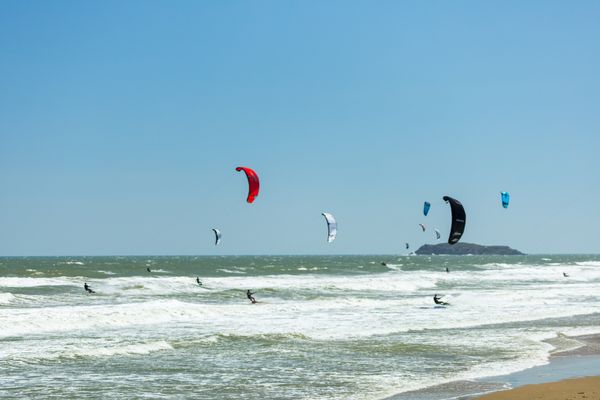
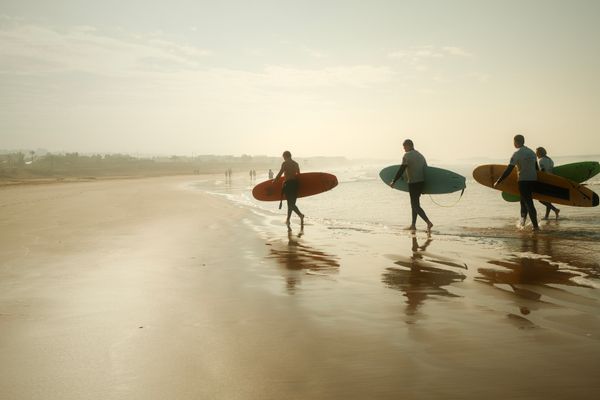
The wind is constant — which makes Essaouira the kitesurfing and windsurfing capital of Africa, and also keeps it cool even in the height of summer. A rare beach destination that works year-round.
Mild 18–22°C. Strong wind ideal for kitesurfing. The medina's blue-white colours shine in spring light. Pre-peak crowds.
Peak season — wind keeps it cool (20–26°C) while inland Morocco bakes. Gnaoua Festival in June. Beach kiting at its best.
Best balance — warm enough (18–24°C), wind still strong for kiting, crowds thin by October. Photographers love the autumn light.
Stormy and dramatic. Atlantic waves are huge — surfers love it. Cold (10–16°C) and fierce wind. Few tourists but very atmospheric.
Complete Insider Guide
3 Perfect Days in Essaouira — Ramparts, Seafood & Wind Culture
PDF guide · 17 pages · Instant download · 30-day money-back
From rampart walks to ocean adventures — the best of the Wind City
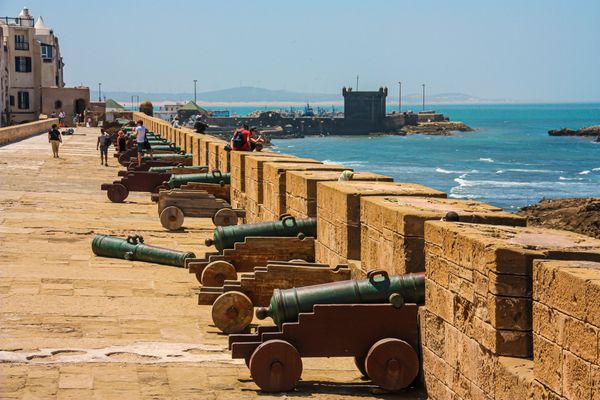
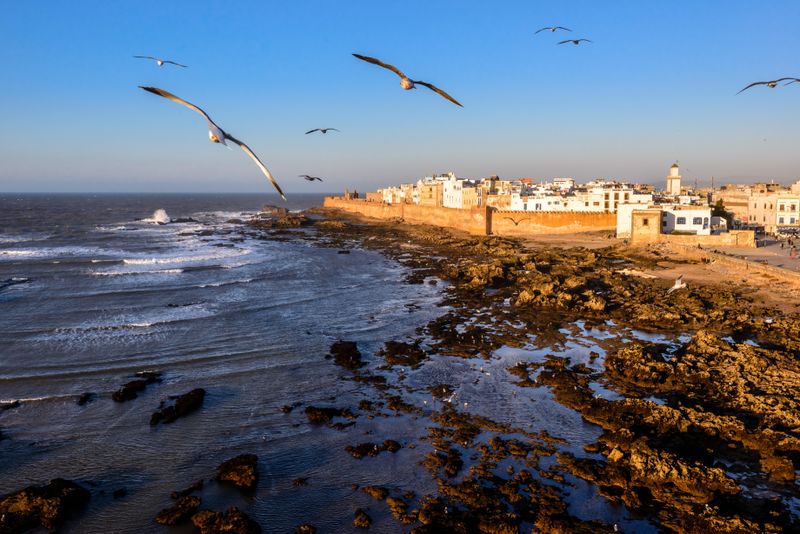
The sea-facing cannon ramparts (Skala de la Ville) offer the most cinematic views in Essaouira — blue Atlantic crashing below, seagulls overhead, and the medina behind. Magical at sunset.
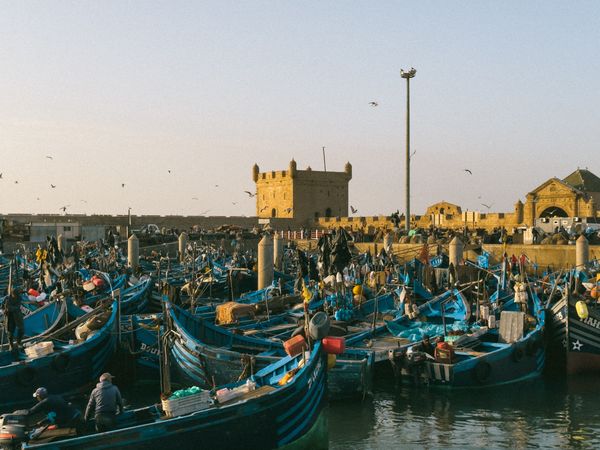
The iconic blue-painted working port where fishermen repair nets, unload catches and the day's freshest fish goes straight to the grill stalls. Vivid, alive, and one of Morocco's most photographed scenes.
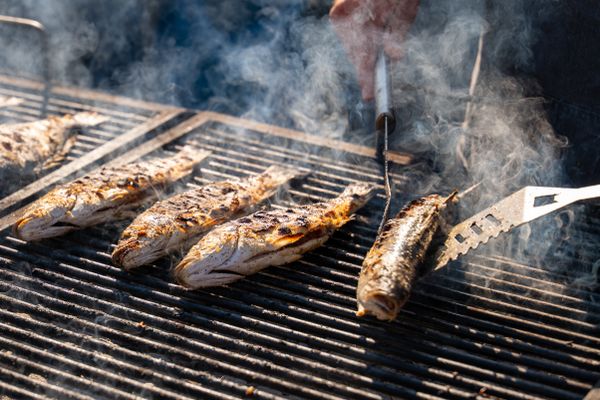
Point at what you want, it gets grilled on the spot. Sardines, calamari, prawns, sea bass — the freshest seafood in Morocco, 5 metres from where it was landed. Served with bread, olives and argan oil. A feast for $5.
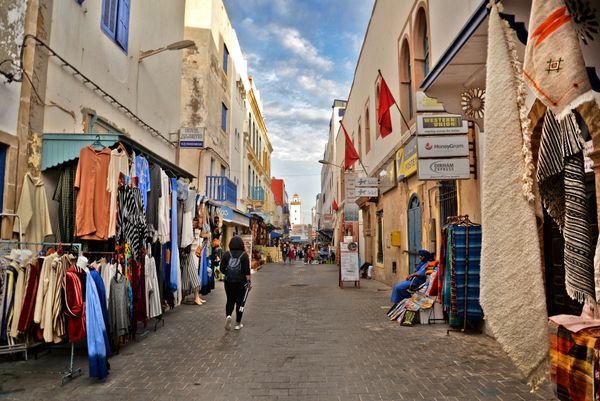
Essaouira's medina is the most laid-back in Morocco — no harassment, no fake guides, just artists in studios, craft shops and small cafés. The blue and white color palette is simply beautiful. Wander freely.
Essaouira's consistent Atlantic wind (the "Alizée") makes it one of the world's best kitesurfing locations. Multiple schools offer lessons for beginners, equipment rental for experts. The beach stretches for 10km.
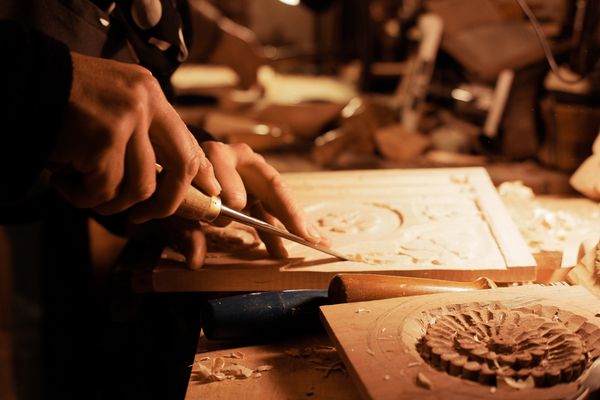
Essaouira is the world's only source of thuya wood — a fragrant, beautifully grained root wood used in marquetry and cabinetmaking. Watch master craftsmen at work and buy directly from workshops for fair prices.
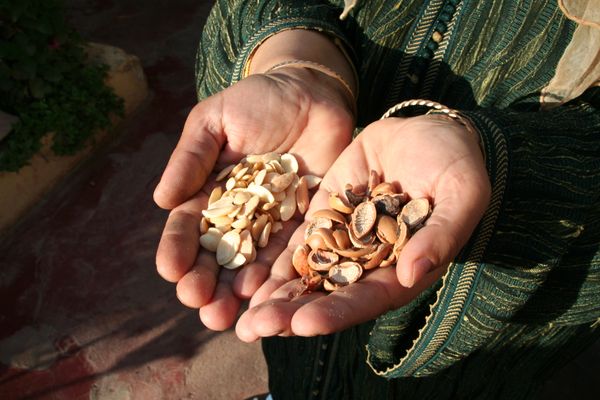
Essaouira is in the heart of Morocco's argan forest — the only place on earth where argan trees grow. Visit a women's cooperative on the road from Marrakech to see the traditional extraction process and buy authentic oil.
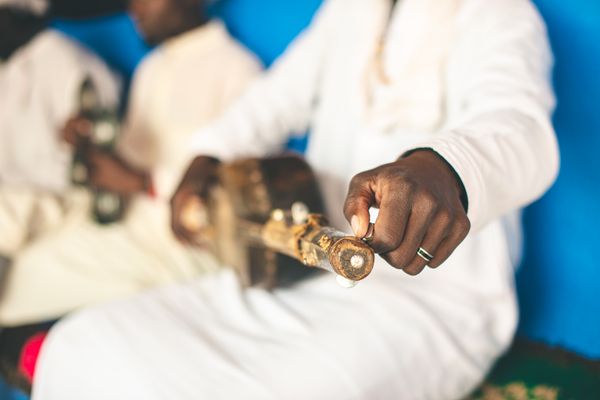
Essaouira is the capital of Gnawa — hypnotic West African-Moroccan music played with guimbri bass lute and metal castanets. Catch impromptu performances in the medina or wait for the annual Gnawa World Music Festival (June).
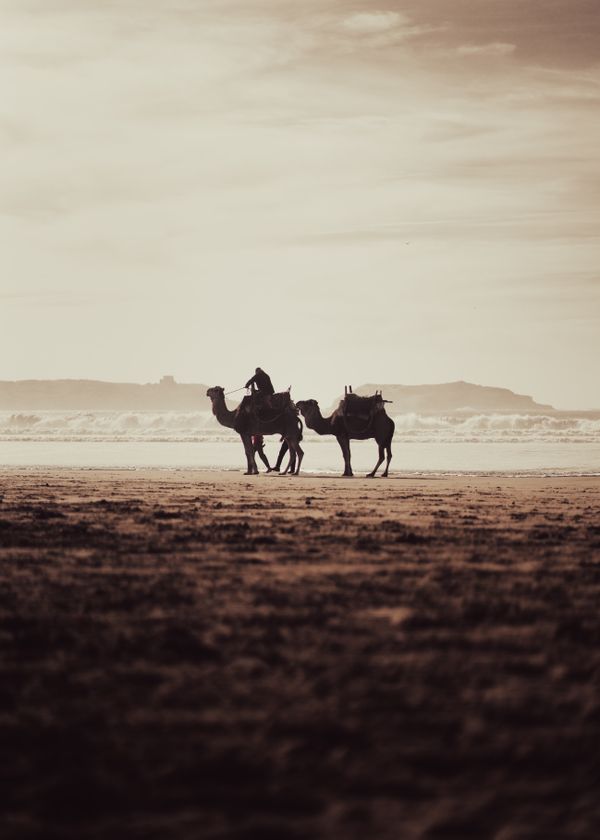
Essaouira's vast, windswept beach is perfect for horse and camel riding — a much more dramatic setting than anywhere else in Morocco. Rides available from the beach entrance near the medina walls.
28km south of Essaouira, Sidi Kaouki is one of Morocco's most dramatic beaches — wild waves, a marabout shrine on a rocky point, camels on the sand. Perfect for an afternoon escape from the city.
Our full guide covers the best restaurant tables (the ones with sea views that fill up fast), the finest thuya wood workshops, the honest argan oil cooperatives, day trip routes, the kitesurf schools we trust, and a 2-day itinerary.
Small city, big personality — all accommodation types within walking distance
Traditional riad guesthouses within the medina walls — the most atmospheric option. Many have rooftop terraces with ocean views. Book early for peak months (July–August).
Modern hotels along the beach road outside the medina walls. Better amenities, pools, parking. Ideal for kitersurfers and families. 10-min walk to the medina.
Remote eco-lodges and private villas south of Essaouira for a true escape. No crowds, wild beach, incredible sunsets. Rent a car to access.
Compare riads, beach hotels and guesthouses
Fresh Atlantic seafood, argan-infused dishes and ocean views
The daily grilled fish stalls at the port are the best meal in Essaouira. Point and eat. Outrageously fresh, absurdly cheap, completely authentic. Go for lunch.
Refined Moroccan-European cuisine in an elegant riad setting. One of Essaouira's most celebrated restaurants — excellent fish tagines and stunning wine list.
A Essaouira legend — inside an old stone fishing warehouse right on the port. Classic seafood dishes with real character. The paella and grilled lobster are exceptional.
The classic café on Place Moulay Hassan — the living room of Essaouira. Sit on the terrace with a coffee and watch the entire city pass by. Essential stop, not just for food.
From a wind-city veteran
Essaouira earns its name "Wind City" — the afternoon Atlantic wind is strong, especially June–September. Afternoons on the beach can feel harsh. Mornings and evenings are perfect.
The 20 minutes after sunset in the fishing port, when the boats glow in the last light, is the most beautiful photography moment in Essaouira. Position yourself on the Skala du Port above the boats.
Pure argan oil is amber-coloured, smells nutty, and is expensive. Anything cheap is mixed or cosmetic grade. Buy from the women's cooperatives on the Marrakech road — certified and fair-trade.
The Gnawa and World Music Festival (late June) transforms Essaouira — free concerts on the ramparts and beach for 4 days. Accommodation fills months in advance. Book extremely early if visiting then.
Essaouira is often done as a day trip from Marrakech (3h each way). Don't. Stay at least 2 nights — the city only reveals itself slowly, and the morning light and evening atmosphere are worth the extra night.
Only buy thuya wood items with the natural grain visible — no paint or lacquer. The grain of the root wood is extraordinary and should be the selling point. Check that items are solid wood, not laminate.
Essaouira's beach stretches 10km south with constant Atlantic wind. Horse and camel rides along the shoreline at sunset are genuinely spectacular — arrange with the riders near the medina's sea gate (Bab Doukkala). 100–150 MAD for 30 minutes.
Essaouira is Morocco's music capital — Gnawa, blues, reggae and Andalusian all coexist here. Don't just attend the June festival: seek out the small cafés on the ramparts where musicians play informally every evening.
The 18th-century sea bastions are best at sunrise when the light hits the cannons and the fishing boats are heading out. The rampart walk from the Skala de la Ville to the port takes 20 minutes and has no crowds before 8am.
Easy from Marrakech, more effort from elsewhere
Supratours and CTM run several daily buses from Marrakech (3h, from 100 MAD). The bus station is just outside the medina walls — very convenient. Book ahead for weekends.
3 hours from Marrakech on excellent roads through argan forests. Hire a car and stop at the argan cooperatives en route. Park outside the medina walls — free parking available.
Grand taxis run between Marrakech and Essaouira (3h). Depart when 6 passengers are full. Cheaper than buses but less comfortable. Ask at Marrakech's taxi ranks.
Wind, waves, Gnawa music, and the most relaxed medina in Morocco — Essaouira rewards slow travel. The Atlantic provides the backdrop for everything.
The Alizée trade wind blows at 30–40 knots most of the year, making Essaouira one of the world's top windsurfing spots. Beginners: Club Mistral and Explora rent boards and run lessons (€30–45/session). Best wind: June–September.
Essaouira is the spiritual home of Gnawa — the trance music tradition brought by sub-Saharan slaves centuries ago. Café Alizée on the ramparts and Café Taros have live Gnawa musicians most evenings. The July Gnawa World Music Festival is world-class.
The 18th-century Portuguese ramparts (Skala de la Ville) face due west over the Atlantic — the sunset from the cannons is the single best photo in Morocco. Go 45 minutes before sunset and stay until the light disappears.
The arganeraie (argan forest) around Essaouira is a UNESCO Biosphere Reserve and source of all genuine Moroccan argan oil. Visit a women's cooperative south of town — see the traditional hand-pressing process and buy direct. Avoid tourist shops selling fake argan.
The long Atlantic beach stretches 20km south of the city walls — camel and horse rides along the shoreline are arranged directly at the beach entry (from 100 MAD/30 min). The beach itself is free and spectacular.
Essaouira's woodworkers produce exceptional marquetry using thuya root from Atlas cedar forests. Watch craftsmen work in the souks south of the Skala sea bastions and buy direct from the maker. Far higher quality and better prices than Marrakech souvenir shops.
Essaouira sits between the Marrakech Atlas to the east and the Atlantic to the west — day trips explore both directions.
CTM direct to Marrakech runs several times daily (~80 MAD, 2.5h). A day trip is possible — arrive for the medina, Djemaa el-Fna evening — but Marrakech is worth an overnight. Most travellers use Essaouira as a 2–3 day break from Marrakech, then bus back.
The ruins of a 17th-century casbah at Diabat village, 10km south, became famous when Jimi Hendrix visited in 1969 and supposedly planned to build a recording studio here. The ruins themselves are atmospheric; Diabat village is quieter and more local than Essaouira. Petit taxi ~30 MAD.
An under-visited Atlantic city 130km south — Morocco's pottery capital and an important sardine fishing port. The Place Assif is lined with pottery workshops; the Portuguese Qasr el Bahr sea fortress overlooks the harbour. CTM bus from Essaouira (~50 MAD). Half-day.
Ask any gîte owner to point you to Cap Sim (15km south) or the hidden beach at Tafedna (40km south) — no facilities, no tourists, just wild Atlantic coast and argan trees down to the waterline. Rent a car or arrange a taxi for the day (~200 MAD return).
Full Day Trips Guide — Sidi Kaouki, Argan Cooperatives, Cap Sim & more →
Essaouira's food is defined by the Atlantic — the freshest fish in Morocco, argan oil from the surrounding biosphere and a Gnaoua-influenced spice tradition unlike anywhere else in the country.
Essaouira's port grill stalls are legendary — choose your fish from the display (price by weight), they grill it over charcoal while you wait, served with chermoula and bread. The most authentic fish experience in Morocco. Budget 60–120 MAD depending on fish.
The Atlantic off Essaouira produces excellent calamari, prawns and octopus. Served fried or grilled at the port stalls. Morning catches arrive from 7am — for the freshest, arrive early.
The arganeraie (argan forest) surrounds Essaouira — argan oil is used in cooking here more than anywhere else. Amlou (ground almonds, argan oil, honey) is the traditional dip. Buy direct from women's cooperatives — avoid tourist shop versions.
The market stalls inside the medina serve freshly squeezed orange juice (5–10 MAD) and thick avocado juice throughout the day. Pair with an msemen flatbread for a complete snack.
The Gnaoua culture (descended from West African slaves) has influenced Essaouira's spice markets — look for ras el hanout blends unique to this city. Gnaoua-spiced tea (ginger, cinnamon, cardamom) is sold at medina tea stalls.
Chez Sam (port) — old-school fish restaurant with Atlantic views; La Table by Madada — refined Moroccan-Mediterranean; Ocean Vagabond (beach) — casual, surf-crowd favourite; port grill stalls (60–120 MAD) for the most authentic experience.
Our complete Essaouira guide has every seafood spot, every kitesurf school, and a day-by-day plan for the perfect Wind City escape.
Essaouira is known for its beautifully preserved UNESCO-listed medina, its powerful Atlantic winds that make it one of the world's top windsurfing and kitesurfing spots, its thriving arts and music scene (home to the famous Gnawa World Music Festival each June), and its laid-back atmosphere as a slower-paced alternative to Marrakech.
Essaouira is about 190 km west of Marrakech — roughly 2.5 to 3 hours by road. Supratours buses run 4 to 5 times daily from Marrakech's ONCF station for around 90 MAD. CTM also operates the route. The drive over the Jbilet plains and argan tree forests is pleasant — keep an eye out for goats climbing the argan trees.
Strong afternoon winds blow almost every day from spring through autumn — Essaouira earns its Berber nickname 'Alizee' for good reason. Mornings are typically calm and perfect for exploring the medina. By early afternoon the wind picks up significantly on the beach. June and September are the calmest months. Always bring a light jacket — the wind makes evenings cool even in summer.