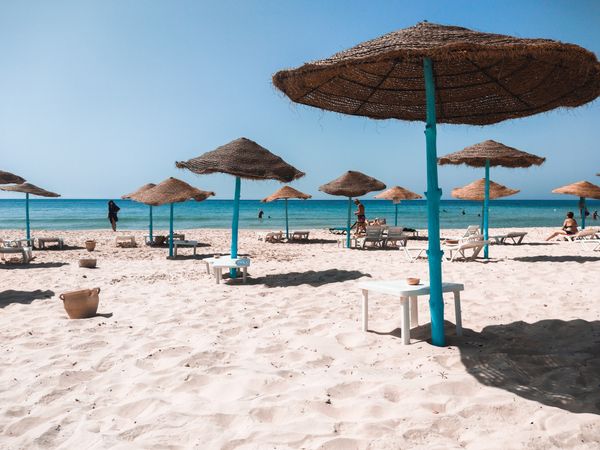
Tetouan Travel Guide

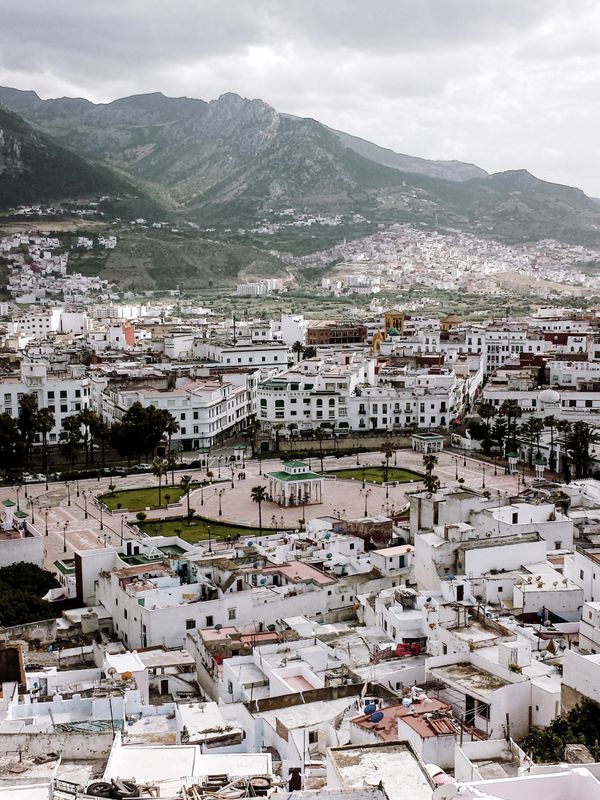
Northern Morocco's best-kept secret. A UNESCO medina built in 1492 by Muslims expelled from Granada β€” pure Andalusian architecture, zero tourist crowds, and the most authentic city experience in the north. Spain is visible from the hills on clear days.

Get the Full Guide β€” $14.99 Explore Free
1492
Year the medina was founded
UNESCO
World Heritage medina since 1997
60km
From Tangier
60km
From Chefchaouen

Morocco's Most Andalusian City

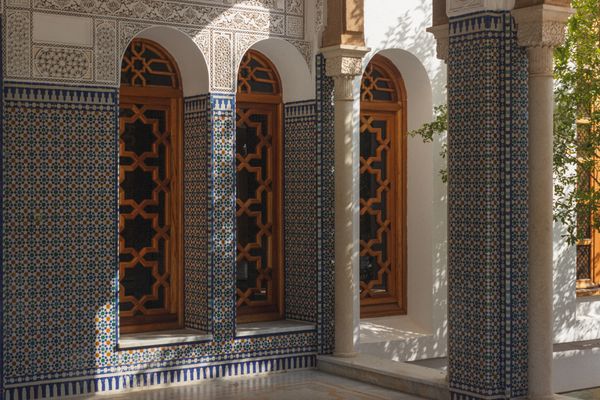
In 1492, the same year Columbus reached the Americas, the Spanish Reconquista expelled hundreds of thousands of Muslims and Jews from Andalusia. Many settled in Tetouan, rebuilding their lost Granada in miniature β€” the same architecture, the same street layout, the same zellige tilework and horseshoe arches. The result is Morocco's most purely Andalusian medina and one of the most atmospheric in the entire country.

Unlike Fes or Marrakech, Tetouan sees almost no international tourists. The medina is gloriously hassle-free β€” craftsmen work without interruption, women use the souks for everyday shopping, and children play in the squares. It's what all Morocco's medinas looked like before mass tourism arrived.

Add Mediterranean beaches 10 minutes away, Roman ruins, a thriving Spanish colonial quarter, and position as the hub of the northern Morocco triangle (Tangier + Chefchaouen + Tetouan), and you have one of the most complete and underrated cities in the country.
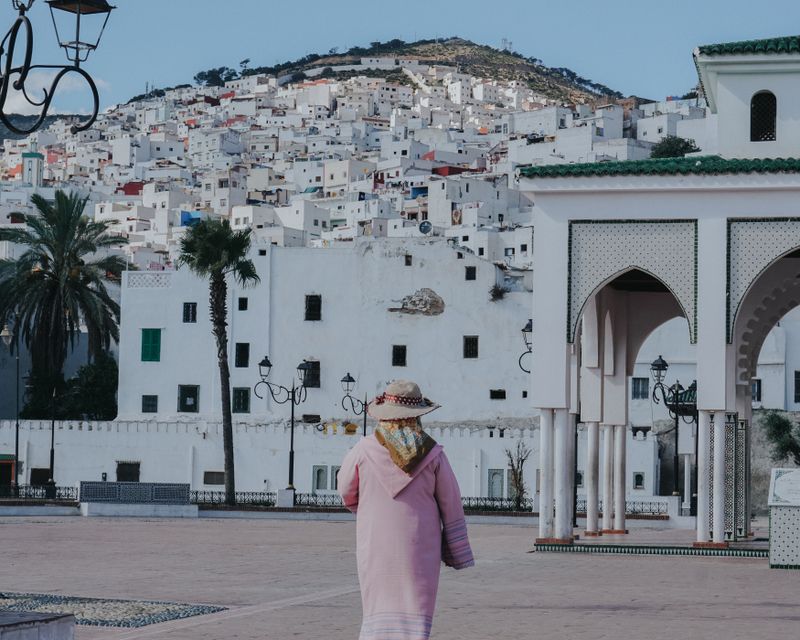
Best: April–October 40 min from Tangier 1h from Chefchaouen Virtually zero tourist hassle UNESCO medina since 1997 Med beach 10 min away
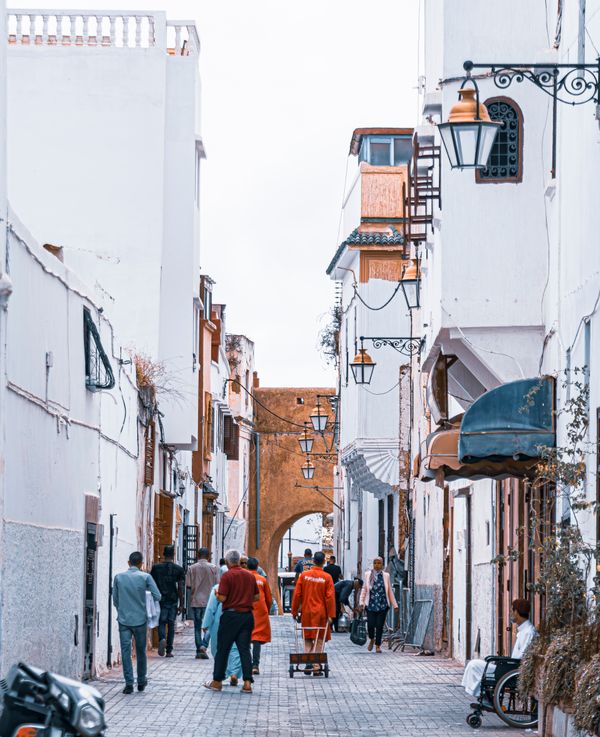
Tetouan medina white Andalusian streets

When to Visit Tetouan

Best

Spring
Apr – May

Warm days (22–26Β°C), Mediterranean sea still cool but refreshing, medina markets in full swing. Green Rif Mountains backdrop. Fewest tourists of the year. Perfect.

Best

Summer
Jun – Aug

Hot and lively (28–34Β°C). Mediterranean beaches at Martil and M'diq are stunning β€” warm clear water, long evenings. Busier with Moroccan families on holiday but still very few foreigners.

Good

Autumn
Sep – Nov

Warm through October (23–27Β°C), sea still swimmable in September. City empties out after August. Comfortable for medina exploration. Occasional rain from October.

Quieter

Winter
Dec – Mar

Mild but wet (12–18Β°C). Some days beautiful and sunny; others rainy and grey. Medina and museums at their most peaceful. Not ideal for beaches. Cheapest time to visit.

Complete Insider Guide

The Tetouan Guide β€” Hotels, Restaurants & Hidden Gems

PDF guide Β· 40+ pages Β· Instant download Β· 30-day money-back

Get It β€” $14.99

Top Things to Do in Tetouan

UNESCO medina, Andalusian architecture, Roman ruins, Mediterranean beaches β€” all without the crowds

Tetouan UNESCO medina narrow white streets
1

UNESCO Medina Exploration

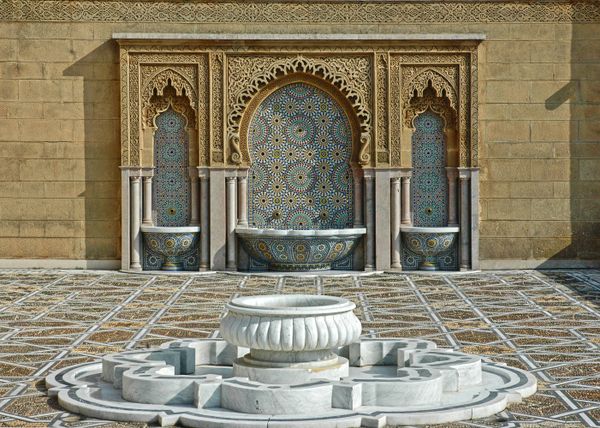
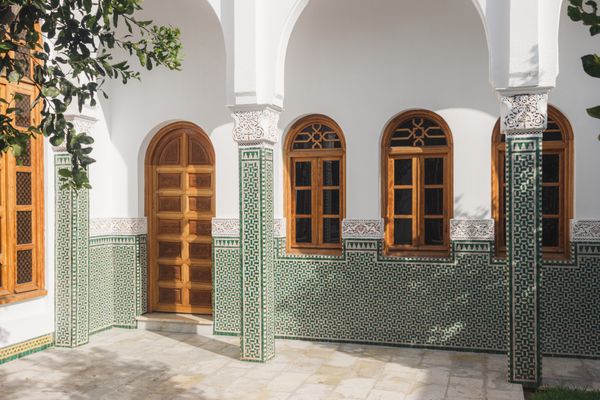
Wander the medina's immaculate white Andalusian streets β€” narrow lanes, zellige tile fountains, horseshoe arches and ornate doorways. Built in 1492 by Andalusian refugees, it's one of Morocco's best-preserved and completely hassle-free. No touts, no pressure β€” just genuine city life.

Any time, dawn best Free Old city
Archaeological Museum Tetouan Roman ruins
2

Archaeological Museum

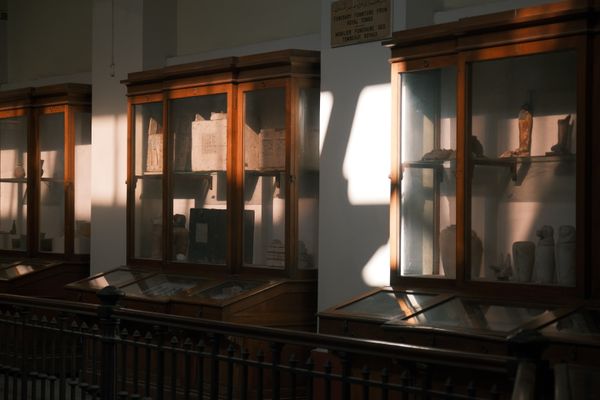
One of Morocco's finest collections β€” Roman mosaics, bronzes, Phoenician artefacts and Islamic ceramics from the nearby Roman city of Tamuda. Beautifully presented, almost empty of visitors, and housed in a converted palace. Easily 2 hours of genuine interest.

Wed–Mon 9am–4:30pm 10 MAD Place Al Jala
Place Hassan II Tetouan Royal Palace fountain
3

Place Hassan II & Royal Palace Gate

The grand central square β€” flanked by the Royal Palace gates and the Spanish-era town hall with its clock tower. A lively people-watching square at any hour. The juxtaposition of Moorish and Spanish colonial architecture is uniquely and magnificently Tetouan.

Always open Free City centre
Martil Mediterranean beach Tetouan
4

Martil & M'diq Beaches

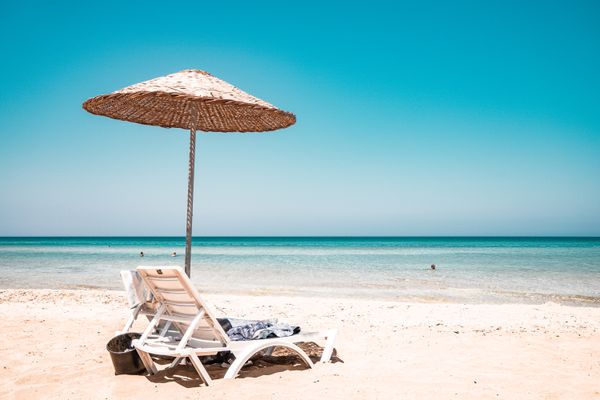
Martil (5km east) and M'diq (14km) are Morocco's finest Mediterranean beaches β€” crystal-clear turquoise water, wide sandy shores and a lively summer atmosphere. Water reaches 25Β°C in August. Gentler, calmer and warmer than the Atlantic coast β€” ideal for families and swimmers.

All day, best May–Sep Free 5–14km east by taxi
Tamuda Roman ruins Morocco
5

Tamuda Roman Ruins

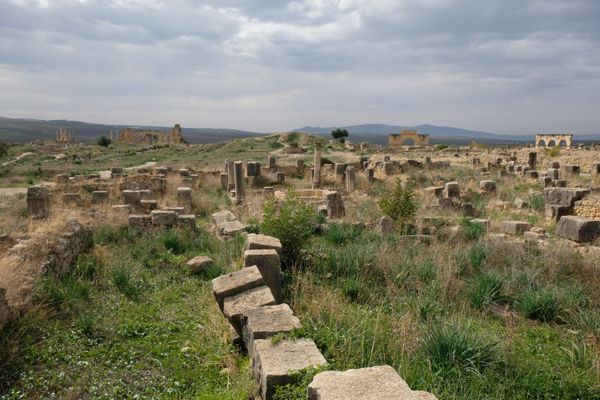
A Mauritanian and later Roman city 5km outside Tetouan, dating from the 3rd century BC. Less famous than Volubilis but completely untouristy β€” walk the ruins in solitude. The site sits beside the Martil river with the Rif mountains as backdrop. Museum provides guided tours.

Daily, daylight hours Free / guided 80 MAD 5km from centre
Tetouan artisan craft school zellige embroidery
6

Γ‰cole des Arts et MΓ©tiers (Artisan School)

Tetouan's famous craft school trains the next generation of Moroccan artisans. Visitors can watch students working in zellige tile-cutting, Andalusian embroidery, leatherwork and metalwork. A living craft museum β€” genuinely one of Morocco's best-kept secrets. Go on a weekday morning.

Mon–Fri 9am–noon Free Near Place Al Jala
Tetouan ethnographic museum palace courtyard
7

MusΓ©e d'Art Marocain (Ethnographic Museum)

Housed in a historic Hispano-Moorish mansion near Place Hassan II, the Museum of Moroccan Arts displays Tetouan's Andalusian heritage β€” traditional costumes, Rif Berber jewellery, musical instruments, zellige panels and carved stucco interiors. One of Morocco's most overlooked regional museums.

Wed–Mon 9am–4pm 10 MAD Near Place Hassan II
Friday souk market Rif Berbers Tetouan
8

Friday Weekly Souk

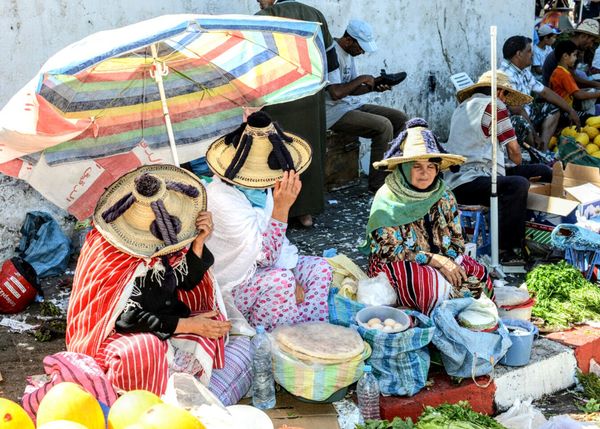
Every Friday morning, Rif Berber farmers and traders descend from the mountains to the large open-air market outside the medina walls. Fresh produce, live chickens, handmade Rif pottery, woollen jellabas, spices, and hardware β€” nothing staged for tourism. Raw, beautiful Morocco.

Friday mornings only Free entry Outside Bab El Oqla
Tetouan Mellah Jewish quarter medina alley
9

Mellah β€” the Jewish Quarter

Tetouan's Mellah is one of Morocco's most intact former Jewish quarters, tucked into the northeast corner of the medina. Distinctive iron-railed balconies, carved doorways and the old synagogue mark a neighbourhood that thrived for centuries before emigration. An absorbing, quiet walk through a layered history.

Any time Free Northeast medina
Tetouan Ensanche Spanish colonial quarter boulevard
10

Ensanche β€” The Spanish Colonial Quarter

Step out of the medina gates and into 1930s Spain. Built during the Spanish Protectorate (1913–1956), the Ensanche is a grid of tree-lined boulevards, Art Deco facades and Spanish-style cafΓ©s centred on Place Moulay El Mehdi. No other Moroccan city has this kind of complete colonial district β€” the contrast with the medina, seconds away, is extraordinary.

Any time Free South of Place Hassan II

The Complete Tetouan Guide β€” $14.99

The most detailed Tetouan guide available in English β€” including a medina walking route with map, beach comparison (Martil vs M'diq vs Cabo Negro), restaurant picks the tourists don't find, craft school visiting tips, Tamuda self-guided tour, and a 2-day northern Morocco itinerary.

  • Medina walking map with highlights
  • Andalusian architecture guide
  • Best beaches ranked and compared
  • Tamuda ruins self-guided tour
  • Ceuta day trip instructions
  • Tangier + Tetouan 2-day plan
  • Best riads & guesthouses
  • Instant digital download
Download Now β€” $14.99

Where to Stay in Tetouan

Medina Riads

Small guesthouses inside the UNESCO medina β€” the most atmospheric and recommended stay. Very affordable, locally run, zero tourist-trail feel. Best base for exploring on foot. Breakfast usually included.

Budget: 200–700 MAD/night

Ville Nouvelle Hotels

Modern hotels in Tetouan's Spanish-influenced new town. Better amenities, easier parking, reliable wifi. 10-min walk to the medina. Good for longer stays or if you're arriving by car.

Budget: 300–1000 MAD/night

Martil Beach Hotels

Stay at the beach and day-trip into Tetouan (10min taxi). Excellent for summer β€” warm sea, promenade restaurants, family atmosphere. Great value, beautiful setting.

Budget: 250–800 MAD/night

Find Hotels in Tetouan

Compare medina riads and beach hotels

Insider Tips for Tetouan

Arrive Friday morning

The Friday weekly souk outside Bab El Oqla is where Rif Berber farmers come down from the mountains. Nothing is staged β€” live chickens, handmade pottery, mountain herbs. An experience that's completely vanished from Marrakech and Fes.

Craftsmen welcome visitors

Unlike Fes, Tetouan's artisans are genuinely happy to be watched and photographed. The embroidery workshops near Place Hassan II and the zellige workshops in the Ayoun quarter are particularly welcoming. Ask politely β€” they'll usually invite you in for tea.

Speak Spanish here

Tetouan was the capital of Spanish Morocco 1913–1956. Spanish is widely understood β€” more so than French in some medina areas. The Spanish colonial architecture in the Ville Nouvelle is genuinely beautiful. It's a unique fusion you won't find elsewhere.

Mediterranean vs Atlantic

The Med beaches near Tetouan (Martil, M'diq, Cabo Negro) are warmer, calmer and clearer than Morocco's Atlantic coast. Water temperature reaches 26Β°C in August. Ideal for families. The rocky Cabo Negro headland has exceptionally clear water for snorkelling.

Significantly cheaper than the south

Prices in Tetouan run 30–50% lower than Marrakech or Fes for everything: accommodation, food, souvenirs. A medina riad room with breakfast: 200–350 MAD. A full lunch at a local restaurant: 40–60 MAD. An excellent city to extend your Morocco budget.

Use it as a northern hub

Tetouan is the perfect base for 2–3 nights: Tangier (40 min), Chefchaouen (1hr), Ceuta-Spain (30 min). Do all three as day trips and save money by staying in the cheapest and most authentic city of the three.

Two days is enough β€” and perfect

Unlike Fes or Marrakech, Tetouan is compact. One full day for the medina (museum, tanneries, souks, lunch); one day for Martil beach or Tamuda ruins. You'll see it properly without the crowds. Arrive on a Tuesday or Wednesday when the medina is quietest.

Spanish works here

Tetouan was the capital of Spanish Morocco (1912–1956) and many residents still speak Spanish. If you're stuck communicating, try Spanish before French β€” especially with older shopkeepers and in the Ensanche (Spanish quarter). A welcome change from the French-only dynamic elsewhere.

The medina is UNESCO for a reason

Listed in 1997 for its exceptional Andalusian-Moroccan architecture, Tetouan's medina is one of the best-preserved in the Arab world. The white walls, ornate doorways and 9th-century street plan were built by Muslims expelled from Granada in 1492. Take a guided walk for the stories behind the facades.

How to Reach Tetouan

From Tangier β€” Grand Taxi

Most direct option. Grand taxis leave from Tangier's Ibn Battuta bus station throughout the day. Journey 40–50 min, cost 30–40 MAD per seat. Departs when full (6 passengers). Fastest and most convenient.

From Tangier β€” CTM / ONCF Bus

CTM and private buses run multiple times daily from Tangier to Tetouan. 50–60 min journey, 25–35 MAD. Drop-off at Tetouan's main bus station, a 10-min walk or short taxi to the medina.

From Chefchaouen

Regular CTM buses and shared grands taxis. 60–75 min journey, 30–45 MAD. Alternatively, hire the whole taxi for ~200 MAD for a private transfer with luggage.

Airports: Tetouan & Tangier

Tetouan has its own airport β€” Sania Ramel (TTU), 5km from the city β€” with seasonal flights from Spain and select European cities. For broader connections, Tangier Ibn Battuta (TNG) (Ryanair, easyJet, RAM) is 45–60 min by grand taxi, approx 200–250 MAD.

By Car β€” Self-Drive

Tetouan is 40km south of Tangier on the A4 toll motorway (toll: 10 MAD). Easy 35-min drive. Parking is available outside the medina walls. Don't attempt to drive inside the medina β€” streets are too narrow.

Getting Around Tetouan

The medina is best explored entirely on foot. For beaches (Martil, M'diq) take a shared taxi from Bab Sebta gate (5–10 MAD). For Tamuda ruins, hire a petit taxi for the half-day (~100 MAD round trip).

What to Eat in Tetouan

Tetouan's food is distinctly Andalusian-Moroccan β€” influenced by 500 years of cross-Mediterranean exchange. Find dishes here you won't find anywhere else in Morocco.

Couscous Tetouani

The local couscous is lighter and more Andalusian β€” topped with seven vegetables and sometimes sweet raisins. Served Friday afternoons in family homes and select medina restaurants.

Maakouda

Crispy potato fritters, a street food staple. Sold hot from medina stalls in the afternoon β€” eaten with harissa and bread. The Tetouan version is thicker and spicier than in Marrakech.

Andalusian Mint Tea

Tea culture here is slower and more ceremonial than in the south. CafΓ©s on Place Hassan II serve three-pour mint tea in ornate Tetouan-style teapots. The ritual matters as much as the drink.

Fresh Mediterranean Fish

Being close to both the Mediterranean and the strait, Tetouan has exceptional fresh fish. The fish market near Bab El Oqla is where locals buy; beachfront restaurants at Martil cook it the same evening.

Ghriba Cookies

Almond and sesame shortbread cookies with an Andalusian origin β€” sold in pastry shops throughout the medina. Lighter than chebakia, less sweet, and addictively good with coffee.

Where to Eat

Restaurant Restinga (Place Hassan II) β€” best local Andalusian-Moroccan, 60–120 MAD; Blanco Riad β€” fusion Moroccan with great atmosphere, 80–180 MAD; Fish stalls at Martil promenade β€” grilled catch of the day, 40–80 MAD; souk stalls near Bab El Oqla for street maakouda, 5–25 MAD.

Day Trips from Tetouan

Tetouan's position makes it the ideal hub for the entire northern Morocco circuit

Chefchaouen blue city Rif mountains

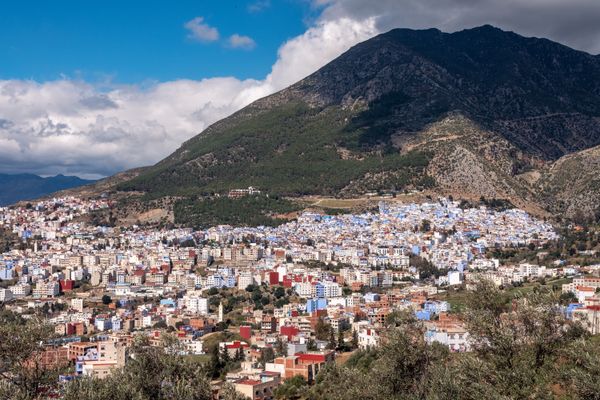
Chefchaouen β€” The Blue City

Morocco's most photographed city, 60km south through the green Rif Mountains. Spend a morning in the blue medina, eat at a rooftop cafΓ©, and return by sunset. Book a grand taxi or rent a car β€” buses take longer.

1hr each way 40–60 MAD shared taxi
Tangier Kasbah des Oudayas

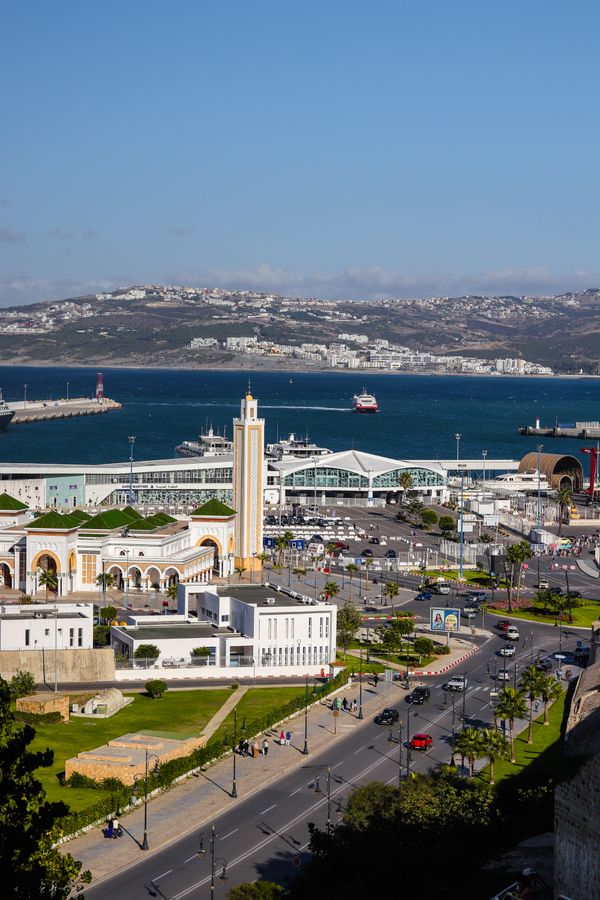
Tangier β€” The International City

40km north, 40 minutes. Visit the Kasbah, walk the waterfront boulevard, see the cave of Hercules, and browse the American Legation museum. Very doable as a half-day trip. Grand taxi from Tetouan bus station.

40 min each way 30–40 MAD per seat
Ceuta Spanish enclave North Africa

Ceuta β€” Spain in Africa

The Spanish enclave city of Ceuta is 30km from Tetouan β€” cross into Europe without crossing the Mediterranean. Spanish streets, euro prices, a proper espresso and duty-free shopping. Bring your passport. A surreal half-day excursion.

45 min incl. border 25–35 MAD shared taxi
Cabo Negro Mediterranean coast Morocco

Cabo Negro & M'diq Beaches

Beyond Martil, the coast stretches to M'diq and the rocky capes of Cabo Negro β€” Morocco's most prestigious Mediterranean coastline. Crystal water, seafood restaurants, sailing clubs. 20km from Tetouan, 30-min taxi.

30 min 20–30 MAD shared taxi

2 Days in Tetouan

1 Day 1 β€” The Medina & History

  1. Morning: Breakfast at a medina cafΓ© β€” khobz bread, olive oil, honey, mint tea. Walk from Place Hassan II into the souks with no map: the Andalusian embroidery quarter and spice souk near Bab Remuz are unmissable. Visit the Γ‰cole des Arts et MΓ©tiers (free, weekdays) and watch students cut zellige and thread embroidery looms
  2. Midday: Lunch at Restaurant Restinga or any medina stall β€” maakouda with harissa, a bowl of harira, fresh orange juice
  3. Afternoon: Archaeological Museum (10 MAD) β€” the Roman mosaic collection alone justifies the entry. Continue to the MusΓ©e d'Art Marocain for Andalusian costumes, stucco interiors and Rif Berber jewellery
  4. Evening: Back to Place Hassan II for the evening promenade β€” families, tea sellers, the Royal Palace gates illuminated at sunset. Dinner at Blanco Riad or ask your riad host for their personal recommendation

2 Day 2 β€” Beaches, Ruins & the North

  1. Morning: Hire a petit taxi (~150 MAD for 3 hours). First stop: Tamuda Roman ruins, 5km out β€” walk the excavated forum, baths and ramparts in near-total solitude. Then continue to Martil beach: swim, walk the promenade, fresh orange juice under an umbrella
  2. Midday: Lunch at a seafood restaurant on the Martil waterfront β€” the catch bought that morning from the boats
  3. Afternoon: Choice: extend to M'diq or Cabo Negro for more Mediterranean coast, or shared taxi to Chefchaouen for the blue city at golden hour (1hr each way)
  4. Evening: Return to Tetouan. Rooftop cafΓ© above the medina for sunset views over the white city toward the Rif mountains and, on clear days, the Spanish coast across the strait

Related Reading

Also Visit

Ready to discover Morocco's most authentic northern city?

Our Tetouan guide includes the medina walking map, beach rankings, craft school visiting tips, Tamuda self-guided tour, and a complete 2-day northern Morocco circuit itinerary.

Buy the Tetouan Guide β€” $14.99 Also See Tangier β†’

Tetouan β€” Frequently Asked Questions

What is Tetouan known for?
+

Tetouan is known for its exceptionally well-preserved Andalusian medina β€” a UNESCO World Heritage Site reflecting the city's history as a refuge for Muslims and Jews expelled from Spain in 1492. The medina's whitewashed houses, ornate door knockers and Spanish-Moorish architecture are unique in Morocco. Tetouan is also known for its traditional crafts (zellige tilework, embroidery, leatherwork) and the nearby Mediterranean beaches of Martil and Cabo Negro.

How far is Tetouan from Tangier?
+

Tetouan is about 60 km east of Tangier β€” roughly 1 hour by grand taxi or bus. Grand taxis from Tangier's grand taxi station run throughout the day for around 30 MAD per seat. CTM buses also cover the route. Tetouan makes an excellent day trip from Tangier or a stopover between Tangier and Chefchaouen.

Is the Tetouan medina worth visiting?
+

Yes β€” the Tetouan medina is one of Morocco's most authentic and least-touristed. Unlike Marrakech or Fes, it sees relatively few foreign visitors, meaning local life is genuinely unaffected by tourism. The medina's Andalusian character sets it apart from any other in Morocco. Highlights include the Royal Palace gate, the Mellah, Place Hassan II, the Andalusian craft souks, and the Ethnographic Museum. A half-day is enough to explore the main streets.