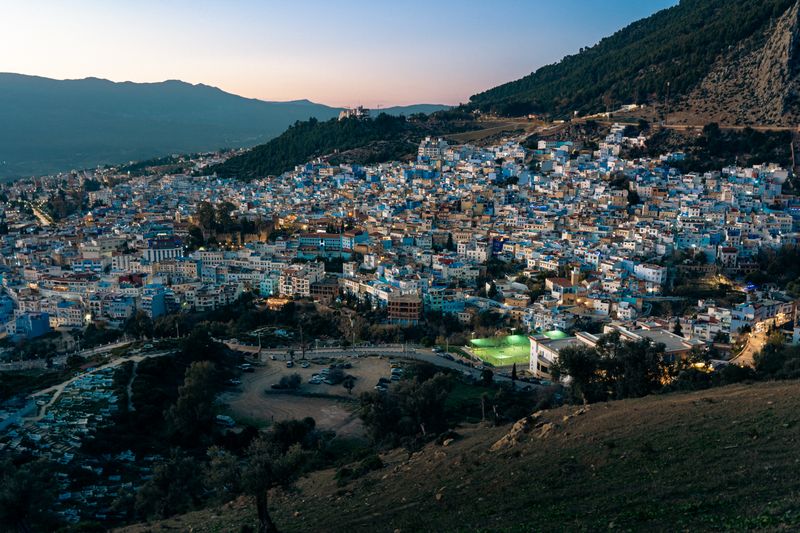
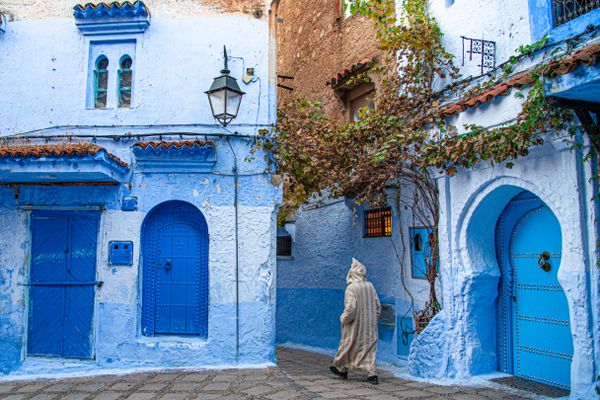
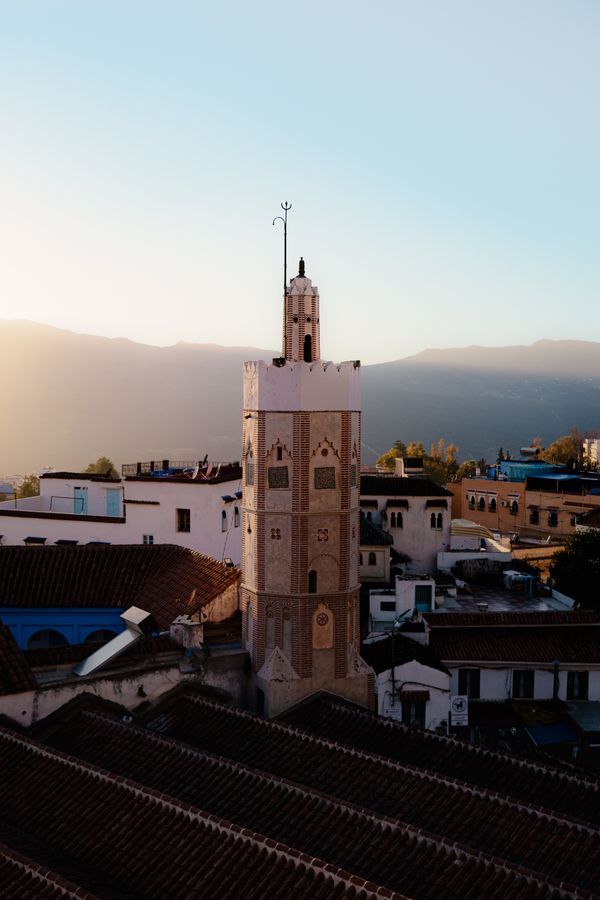
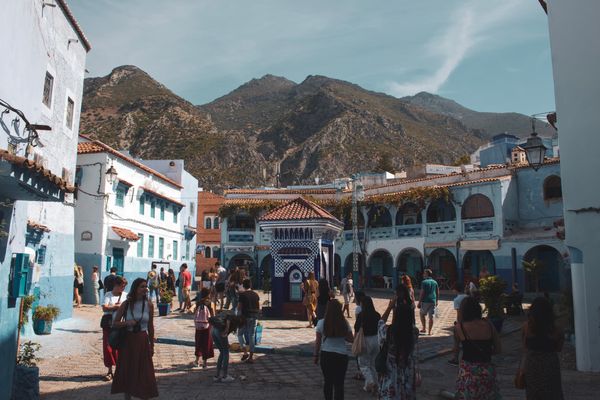
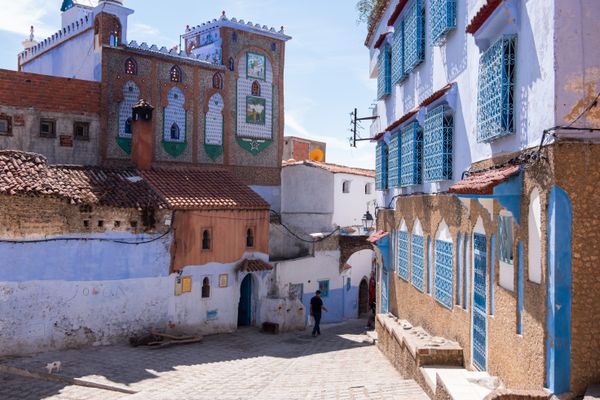
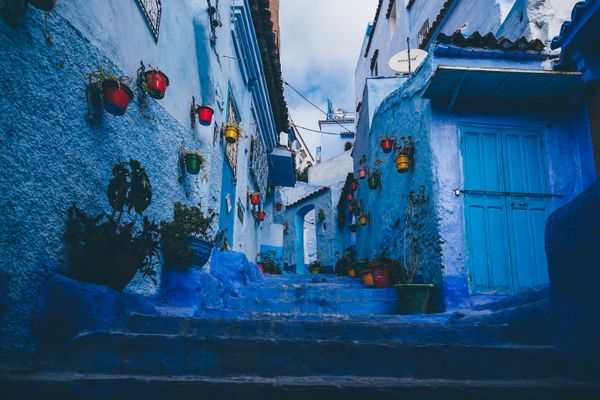
The Blue Pearl of the Rif Mountains. Every alleyway a painting, every doorway a photograph. The world's most photogenic medina β and one of Morocco's most magical places to simply slow down.
Founded in 1471 as a refuge for Andalusian Muslims and Jews fleeing the Spanish Reconquista, Chefchaouen has always been a sanctuary. The blue paint β added in the 1930s, possibly by Jewish residents β has since become its defining identity. Walk any alleyway and you'll understand why photographers come from across the world.
But Chefchaouen is more than just a pretty backdrop. It's a mountain town with hiking trails up to the Spanish mosque, a thriving artisan culture making woollen goods and woven blankets, and a slow pace of life that feels genuinely restorative after the sensory overload of Marrakech or Fes.
Stay at least two nights β one to discover, one to wander aimlessly. That second day is the best day.
Perfect 18β24Β°C hiking weather. Wildflowers on the Rif mountains. The blue city in morning mist is extraordinary. Fewer crowds than summer.
Warm (24β30Β°C), peak season. The city fills with visitors but retains its charm. Evenings are cool at 600m altitude.
Best photography light. Cooler (14β22Β°C), fewer tourists after October. The mountains turn gold β excellent hiking conditions.
Cold (5β12Β°C), possible snow on surrounding peaks. The blue city in snow is magical. Very few tourists.
Complete Insider Guide
2 Perfect Days in Chefchaouen β Blue Alleys, Hiking & Hidden Spots
PDF guide Β· 15 pages Β· Instant download Β· 30-day money-back
From iconic blue alleys to mountain hikes β the best of the Blue City
Get lost in the labyrinth of blue-painted alleyways. No agenda, no map β just explore. Every corner reveals a new shade of blue, a flower-framed doorway, or a cat napping on cobblestones.
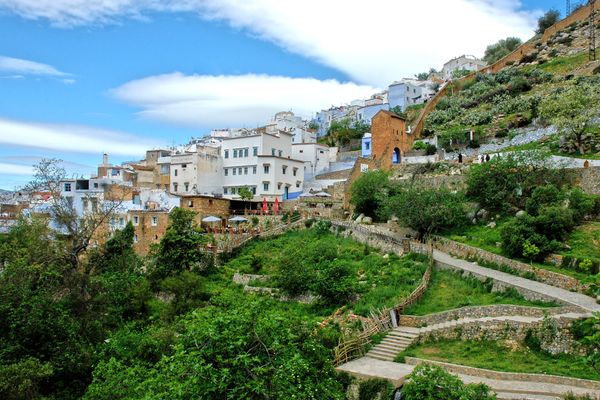
A 45-minute hike above the medina leads to a ruined Spanish mosque with the best panoramic view of Chefchaouen. Go at sunrise or sunset for dramatic light and cooler temperatures.
The heart of Chefchaouen β the main square. Lined with cafΓ© terraces, the old kasbah and the Grand Mosque. The best people-watching spot in the city. Have mint tea here and watch the world go by.
The 15th-century kasbah houses a museum of local history, traditional instruments and crafts. The small Andalusian-style garden inside is a peaceful oasis, and the tower has views over the medina.
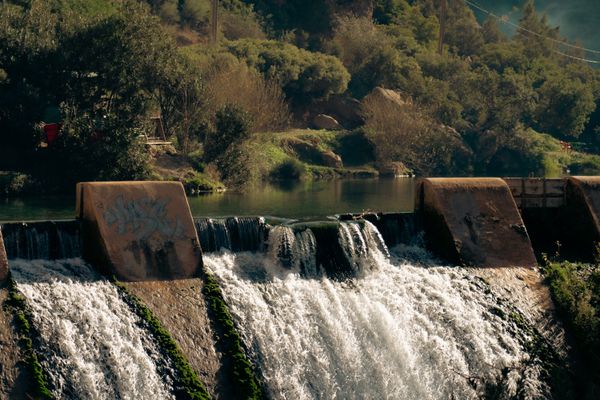
A 10-minute walk from the medina, this natural waterfall is where women do laundry and locals cool off. Surprisingly lush and peaceful β a great escape from the tourist crowds of the medina.
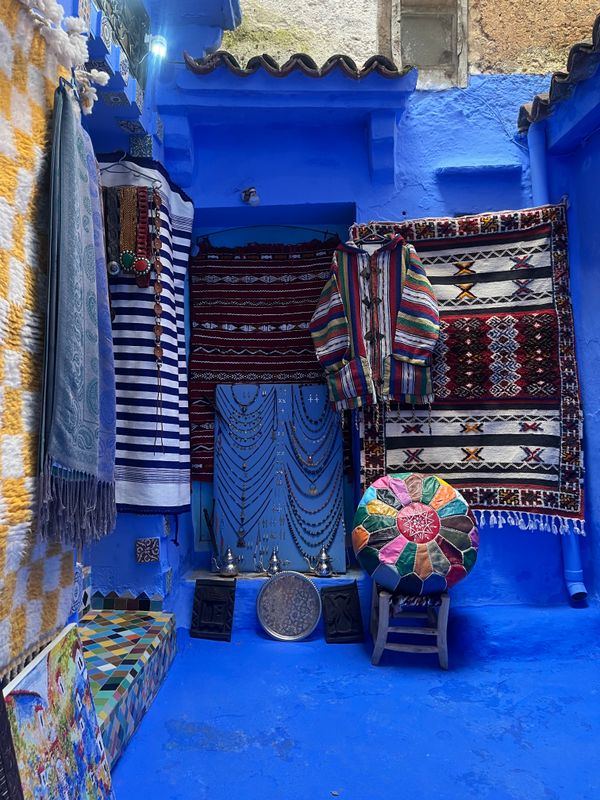
Chefchaouen is famous for handwoven woollen items β blankets, baskets, djellabas and rugs in Rif Mountain patterns. More relaxed shopping than Marrakech, with less pressure and more authentic prices.
Several excellent hammams operate in Chefchaouen, including hammams local families have used for generations. A full scrub and massage after a day of hiking is pure bliss.
30km from Chefchaouen, Akchour is one of Morocco's most spectacular natural sites β a series of waterfalls and natural pools in a dramatic gorge. A 3-4 hour hike round-trip.
The 30 minutes after sunset, when the sky turns deep blue to match the walls β this is the magic hour photographers fight over. Position yourself on any elevated alley and wait. Worth every minute.
Learn to cook Rif Mountain specialties β kefta, couscous and mountain herbs you can't find elsewhere. Small classes with local women in their homes. Deeply personal and delicious.
Our full guide includes the best photography spots by time of day, secret alleys tourists miss, complete hiking trail maps, the best riads with honest reviews, and a 2-day itinerary for the perfect Blue City visit.
A small town β every riad is a short walk from everywhere
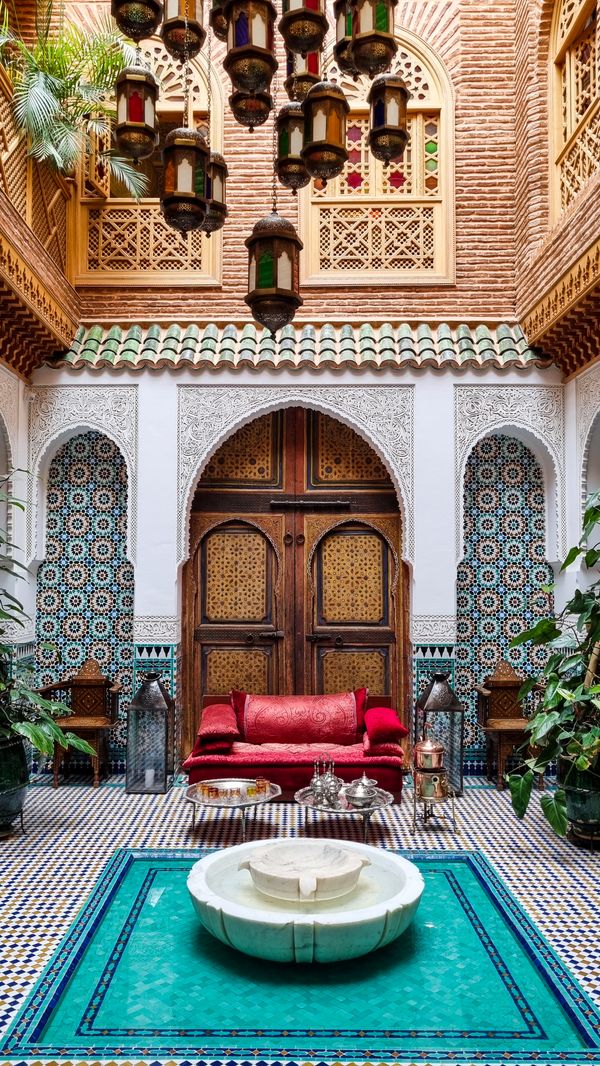
Stay inside the blue medina for total immersion. Small riads and guesthouses with rooftop terraces. Best for photos and atmosphere β noise may be an issue on weekends.
Slightly larger guesthouses just outside the medina walls. Still walkable to everything, quieter at night, easier for luggage. Great value.
Modern hotels and the town's budget options. Less charming but great if you need WiFi, parking, or accessibility. 5-10 min walk to the medina.
Compare riads and guesthouses in the Blue City
Fresh mountain goat, Rif spices and rooftop views
Best traditional Rif Mountain cuisine in Chefchaouen. Try the goat tagine and local herb couscous. Rooftop terrace with medina views. Beloved by locals.
The beloved Fes cafΓ© has a Chefchaouen outpost. Great cafΓ© vibe, reliable wifi, international and Moroccan menu. Perfect for digital nomads and solo travelers.
A little terrace restaurant right at Bab Ssour gate with spectacular views down into the medina. Simple, cheap Moroccan staples β excellent value, incredible location.
Reliable Moroccan cooking right on Place Uta el-Hammam. People-watching supreme. Tagines, couscous and a good selection of mezze. Fair prices for the prime location.
How to get the best out of the Blue City
Chefchaouen gets busy by 10am, especially during summer. Wake up at 6am and you'll have the blue alleyways almost entirely to yourself β the lighting is also dramatically better at dawn.
Unlike Fes or Marrakech, Chefchaouen's medina is only about 1km across. You literally cannot get properly lost here. Relax, put away the map, and wander freely.
The most photogenic alleys are around Rue Targui and the streets radiating from the main square. Look for the turquoise blue rather than grey-blue β richer colour, better photos.
The medina's cobblestones are worn smooth and can be slippery, especially after rain. Wear trainers or hiking shoes β never flip-flops. The Spanish Mosque hike especially requires proper footwear.
Chefchaouen is famous for handwoven Rif blankets and djellabas β much more authentic and affordable than Marrakech. Also look for hand-spun wool, pottery and locally made pottery.
At 600m altitude, Chefchaouen can feel cold at night even in summer. Always pack a layer. In winter it can snow β which turns the blue city into a magical winter scene.
Chefchaouen is noticeably less aggressive on pricing than Marrakech or Fes. Vendors are friendlier, bargaining is lower-pressure and the opening prices are closer to fair. Still negotiate, but expect a more relaxed experience.
Chefchaouen is a living community, not a theme park. Many blue alleyways are private homes. Keep noise down in the early morning, don't photograph people through their front doors, and step aside for locals carrying their daily shopping.
Mobile signal is limited in parts of the medina. Download offline maps (Maps.me or Google Maps offline) before arriving. Many cafΓ©s on the main square have decent wifi β good for catching up while nursing a mint tea.
No direct trains, but buses and shared taxis make it accessible
CTM buses from Fes (3h), Casablanca (5h), Tangier (2.5h) and Tetouan (1.5h). Book ahead β buses sell out on weekends. The bus station is a 15-min walk from the medina.
Grand taxis from Tetouan (1.5h) or Ouazzane connect frequently. Cheaper than buses, depart when full. Comfortable option if you're flexible on timing.
Driving gives you full flexibility to explore the Rif Mountains. Park at Bab el-Ain (small fee) and walk into the car-free medina. Nearest airport is Tangier Ibn Battouta (TNG, 2.5h).
The medina is best photographed in the first 90 minutes after sunrise β empty alleyways, raking light on cobalt walls, flower pots glowing against white plaster. A guided photography walk (200 MAD, 2h) covers the best angles: Ras el-Maa fountain, Bab Bhar arch, the steep stairways above Place Uta el-Hammam. Bring a wide lens.
The Spanish Mosque above the medina (30-min walk) is just the start. Full-day hikes into the Rif cedar forests lead to shepherds' villages, Barbary macaque territory and ridge panoramas that put the blue medina in perfect context. Hire a certified mountain guide: 250β350 MAD/day from the Syndicat des Guides Officiels. Don't navigate the Rif alone β the terrain is deceptively complex.
A 15km drive northeast leads to Akchour, where emerald pools and a 100m waterfall cut through limestone gorges. The Natural Bridge (Pont de Dieu) hike is 3h return β one of Morocco's best half-day walks. Grand taxi from Chefchaouen: 15 MAD/seat. Bring a swimsuit for the pools (cool even in July).
The public hammam on Rue Sidi Abdel-Hamid is one of Morocco's most atmospheric: vaulted ceilings, natural spring water, mixed scent of argan and cedar smoke. ~50β80 MAD for the full circuit. Ask your riad for the timing (men/women alternate by hour) and what to bring (kessa scrubbing glove, flip-flops, towel).
The Rif is globally known for cannabis cultivation β this is unavoidable context. A cultural walking tour covering the history of kif farming in the region (legal for centuries, complex today) and the economy of Rif hill towns provides fascinating context. Ask at CafΓ© Clock for recommended guide-led cultural walks (200 MAD, 3h).
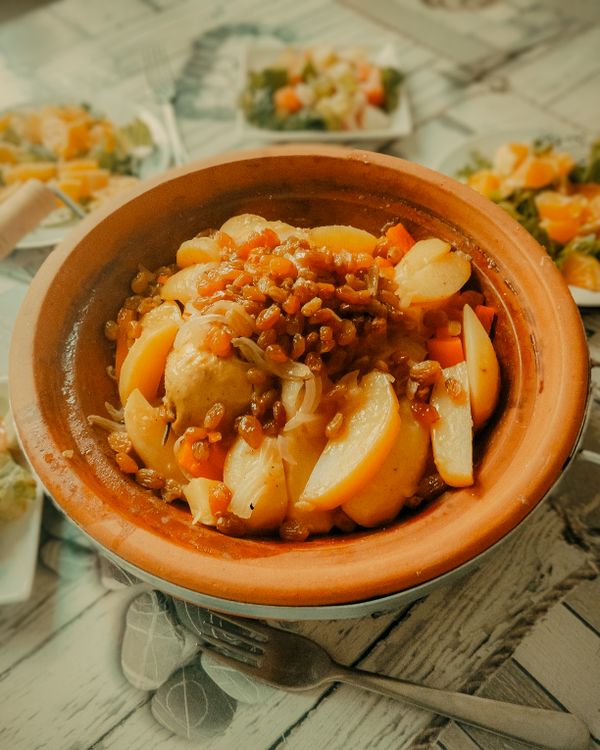
Rif Mountain cuisine is distinct from Marrakech: more herbs, lighter spices, goat and lamb from the hillside flocks, and mountain honey. Half-day classes with local families cover harira, goat tagine and Rif-style couscous. 400β500 MAD/person including lunch. Ask your riad to arrange β most know the families who run these.
The Akchour gorges are extraordinary β a sequence of turquoise swimming holes, cascades and the dramatic God's Bridge natural limestone arch. Grand taxi: 15 MAD/seat, 15km northeast. The waterfall hike (3h return) and the bridge hike (4h return) are different trails β allow a full day to do both. Go before 10am to avoid weekend crowds.
UNESCO medina with pure Andalusian character β white-and-blue tiled streets, elaborate wrought-iron balconies, potters and weavers still working in family ateliers. Less touristed than Chefchaouen. CTM bus: ~25 MAD, 1h. The royal palace gate and the tannery quarter are the highlights. Combine with a lunch of fresh-caught Atlantic fish at a port-side restaurant.
The cosmopolitan city of writers, spies and two continents visible from the clifftops. CTM bus: ~60 MAD, 2.5h. A full-day trip β Kasbah Museum, CafΓ© Hafa above the Strait, the American Legation, sunset from Cap Spartel. Stay overnight if budget allows β Tangier after dark is different from daytime Tangier.
The peak above Chefchaouen (1,616m) is a full-day hike with extraordinary panoramas: the Rif range, the blue medina below, the Mediterranean coast on clear days. Hire a certified mountain guide (300 MAD/day). Depart before 7am. Bring 2L water minimum, sun protection and a warm layer for the exposed summit.
Northern Morocco Road Trip β Tangier β Chefchaouen β Rif β Fes full route guide β
Chefchaouen's cuisine is shaped by the Rif Mountains and Andalusian heritage β mountain goat cheese, local cannabis honey, wild herbs and the freshest trout from the Ras el-Ma stream.
The Rif Mountains produce excellent fresh goat's cheese β sold in the medina by women who walk down from mountain villages each morning. Eaten with honey and khobz bread for breakfast. Buy directly from the cheese sellers near Plaza Uta el-Hammam.
The Rif's wild chamali mint β a peppery mountain variety unavailable in the lowlands β gives Chefchaouen's tea a distinctive sharpness. Poured from height to build a foam, refilled three times by tradition. Order a pot at a terrace on Plaza Uta el-Hammam and let an hour pass.
The Rif hillsides yield wild thyme, rosemary and oregano unavailable in lowland markets. Local cooks slow-braise lamb with these foraged herbs, preserved lemon and olives for hours. A genuinely local dish you won't find in Marrakech β ask for it at family restaurants uphill from the main square.
The Ras el-Ma stream brings cold, clear water down from the mountains β restaurants along the streamside serve fresh trout grilled simply with herbs and lemon. Surprisingly excellent given the mountain setting.
Morocco's classic spiced tomato-lentil soup with chickpeas and herbs. In Chefchaouen, harira is the post-hike meal β thick, warming and sold at the medina's simplest restaurants for 12β15 MAD per bowl with bread.
Restaurant Assaada (Plaza Uta el-Hammam) β reliable Moroccan, great terrace; Restaurant Bab Ssour β goat tagine and mountain trout; Lala Mesouda β rooftop views and traditional Moroccan; medina snack stalls for kefta sandwiches (15β20 MAD).
Get our complete Chefchaouen guide β every photo spot, every hike, every riad we'd actually book. One download, perfect trip.
The blue-painted buildings of Chefchaouen are one of Morocco's most iconic sights, but the exact origin is debated. One widely-held theory is that Jewish refugees fleeing the Spanish Inquisition in the 15th century introduced the blue as a symbol of heaven and the divine. Another is that it was painted to repel mosquitoes. Today the blue is maintained as both tradition and tourism identity β the shade ranges from sky blue to deep cobalt depending on the neighbourhood.
1 to 2 days is ideal. The medina is compact and walkable β you can see the main Uta el-Hammam square, the kasbah, the Spanish mosque viewpoint and the best photo alleyways in a single full day. A second day allows for a hike to the Spanish Mosque at sunrise, exploring the upper quarters, and day trips to the Akchour waterfalls (30 min away) or the Rif Cedar Forest.
CTM and Supratours buses run daily from Tangier (2.5 hrs), Fes (4 hrs) and Casablanca (5 hrs). Grand taxis from Tetouan (1 hr) are also common. There is no train station β the nearest rail hub is Tangier. The bus station is a 10-minute walk from the medina entrance. Most travellers combine Chefchaouen with Tangier and Tetouan into a northern Morocco circuit.