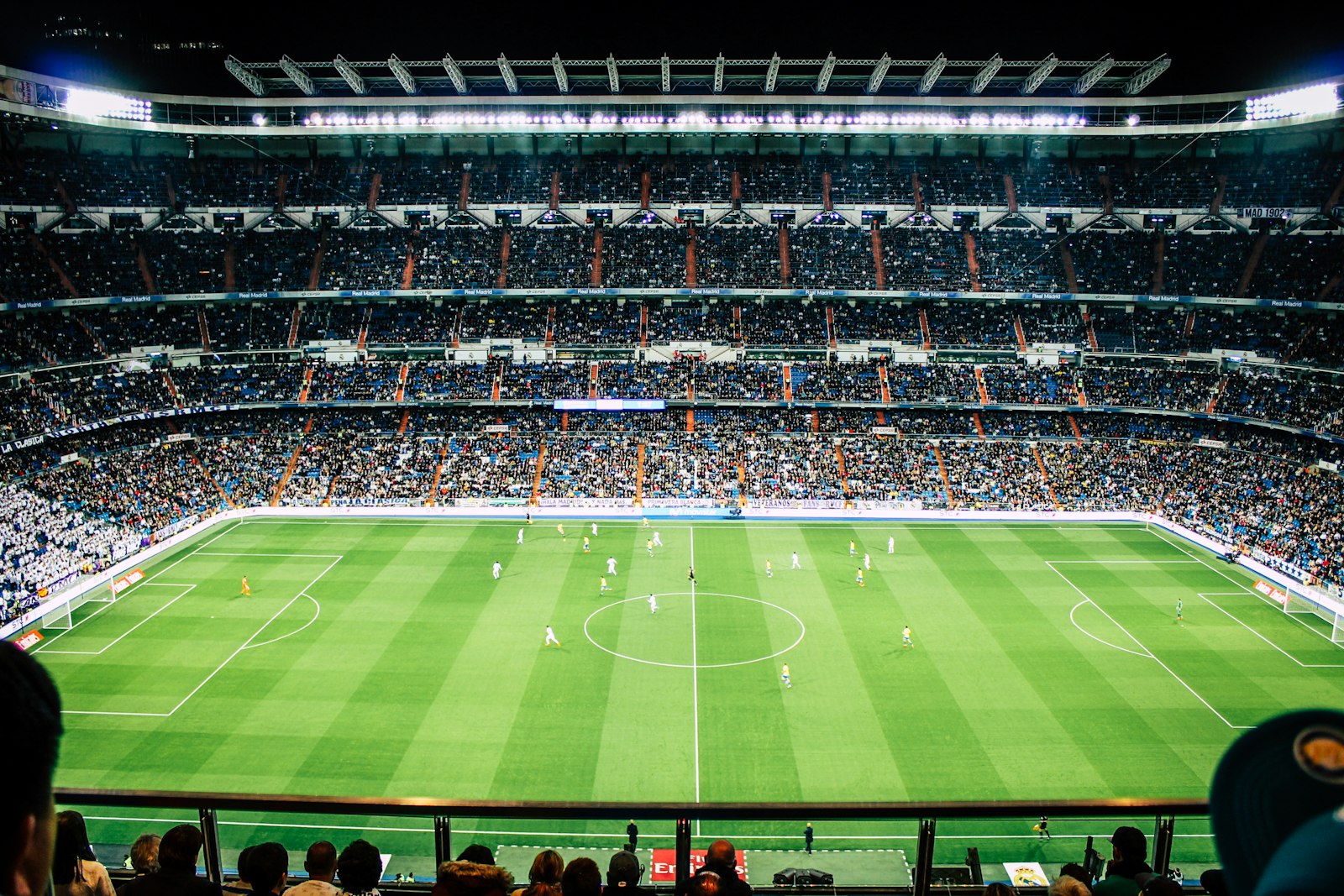
Morocco will host matches across 6 cities at the 2030 FIFA World Cup, co-hosted with Spain and Portugal. Three of the six Moroccan stadiums are being built from scratch; the others are being substantially expanded. Here is everything you need to know about each venue — capacity, location, how to get there, and which city is worth basing yourself in.
1. Grand Stade Hassan II — Casablanca Region
Grand Stade Hassan II
115,000 capacityThis will be the largest stadium in the world at completion — overtaking Narendra Modi Stadium in India. Located in El Mansouria, Benslimane Province, roughly halfway between Casablanca and Rabat, it sits outside the city but is well-connected by planned transport links. The design by Populous and Oualalou+Choi draws on the Moroccan moussem (tent gathering), with a grand tented roof. If you're planning to see the final or a semi-final, this is the venue.
2. Stade de Marrakech — Marrakech
Stade de Marrakech
~65,000 capacityMarrakech is the most popular tourist destination in Morocco and will be the most in-demand host city. The stadium sits close to the medina. The city's existing hotel infrastructure — including hundreds of riads — means accommodation is plentiful, but prices will spike hard. Book as early as humanly possible. The upside: Marrakech offers the richest experience outside the matches — souks, gardens, food, hammams, day trips to the Atlas.
3. Stade de Rabat — Rabat
Stade Prince Moulay Abdellah (Rabat)
~68,000 capacityRabat is Morocco's capital — calmer, more European in feel, and significantly easier to navigate than Marrakech or Fes. The medina is UNESCO-listed and far less touristed than Marrakech's. For fans who want a genuine Moroccan city experience without the crowds, Rabat is an underrated base. Casablanca is reachable by ONCF train in 90 minutes, making it possible to stay in Rabat and attend matches in both cities.
4. Stade Ibn Batouta — Tangier
Stade Ibn Batouta
~65,000 capacityTangier is unique: you can see Spain from the coast on a clear day, and the city sits at the crossroads of Europe and Africa. Named after the great 14th-century explorer Ibn Battuta who was born here, the stadium is the most northerly venue in Morocco. Tangier is connected to Casablanca by the Al Boraq high-speed train — 2 hours. Cross-border fans arriving by ferry from Algeciras or Tarifa (45-minute crossing) will likely attend matches in both Spain and Morocco. A genuinely exciting venue for group-stage games.
5. Stade de Fes — Fes
Grand Stade de Fes
~55,000 capacityFes has the most extraordinary medina in the Islamic world — 9,000 alleys, medieval tanneries, working 13th-century madrasas. It is also the least touristy of the major host cities, which means prices for accommodation will stay more reasonable. The city is a 3-hour train ride from Casablanca. Fans who want to go deeper into Moroccan culture between matches, rather than the packaged tourist experience, should consider Fes as a base.
6. Stade Adrar — Agadir
Stade Adrar
~50,000 capacityAgadir is Morocco's beach resort capital — built from scratch after a 1960 earthquake and completely different in character to the imperial cities. It's the most international in feel, with the best hotel infrastructure outside Casablanca and Marrakech. The beach is excellent. Fans who want to combine matches with a proper beach holiday — and who are less interested in deep cultural immersion — will find Agadir the most relaxed and comfortable World Cup base. The Souss Valley and Anti-Atlas mountains are also within day-trip range.
Which City Should You Base Yourself In?
The honest answer depends entirely on what you want from the trip beyond the football:
- Best for culture + souks: Marrakech or Fes
- Best for ease + transport links: Casablanca or Rabat
- Best for beach + relaxation: Agadir
- Best for the Europe–Africa crossing experience: Tangier
- Best for seeing Spain AND Morocco matches: Tangier (ferry to Algeciras in 45 minutes)
A popular strategy: fly into Casablanca, spend 2–3 days in Marrakech for culture, then attend matches in your chosen city. Morocco is compact enough that train travel between host cities is feasible on match days.
Related Articles
- Morocco World Cup 2030 — Main Guide →
- Morocco 2030 Fan Travel Guide →
- Where to Stay for Morocco World Cup 2030 →
- How Much Will Morocco World Cup 2030 Cost? →
- Getting Around Morocco →
Morocco Unveiled Travel Bible
218 pages covering every host city — Casablanca, Marrakech, Fes, Rabat, Tangier, Agadir — with accommodation picks, transport routes, and restaurant guides.
Get the Guide →