Africa's great mountain spine. Snow-capped peaks, ancient Berber villages clinging to cliffs, saffron fields, walnut forests and the trekking challenge of a lifetime — just 90 minutes from Marrakech.
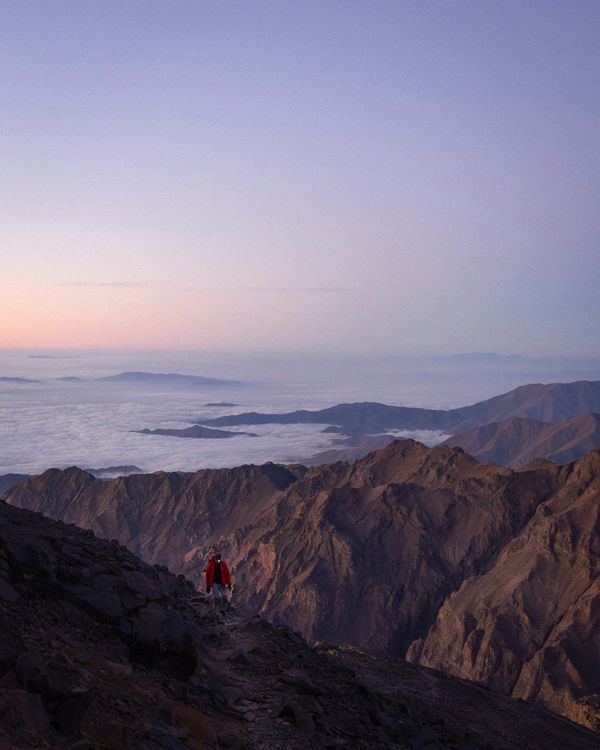
The Atlas Mountains stretch 2,500km across Morocco, Algeria and Tunisia — but Morocco's High Atlas, towering over Marrakech, is the most dramatic and accessible section. Jebel Toubkal (4,167m) is the highest peak in the Arab world and North Africa, yet even fit beginners can summit it in 2 days.
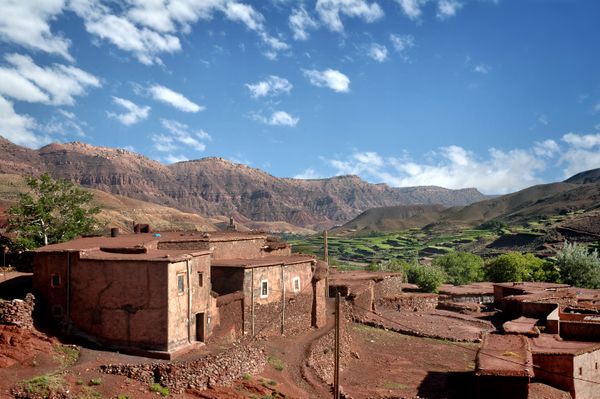
Beyond the climbing, the Atlas is a living culture: thousands of Berber (Amazigh) villages cling to mountain valleys where ancient ways persist. The village of Imlil is the main trekking gateway — a friendly, authentic community where families run guesthouses and guides have lived in these mountains for generations.
The Atlas is also Morocco's secret garden: waterfalls in the Ourika Valley, saffron fields near Taliouine, almond trees that blossom pink in February, and mountain lakes that reflect snow peaks in glassy calm.
Prime hiking season — wildflowers on the slopes, Toubkal approaches snow-free from June. Waterfalls full from snowmelt. Ideal temperatures (8–22°C).
Second-best season. Stable weather, clear skies, golden light on the valleys. Toubkal accessible until November snowfall.
Hot in the valleys (28–35°C) but cool at altitude. July–August are peak Toubkal season for summit attempts. Book guides ahead.
Heavy snow above 2,500m. Toubkal requires crampons and ice axe experience. Experienced winter mountaineers only.
Complete Insider Guide
The Atlas Mountains Guide — Hotels, Restaurants & Hidden Gems
PDF guide · 40+ pages · Instant download · 30-day money-back
From summit treks to valley day trips — everything the Atlas offers
North Africa's highest peak at 4,167m. A challenging but achievable 2-day trek: Day 1 from Imlil to refuge (3,207m), Day 2 summit push. Magnificent views of the Sahara on a clear day. A genuine bucket-list achievement.
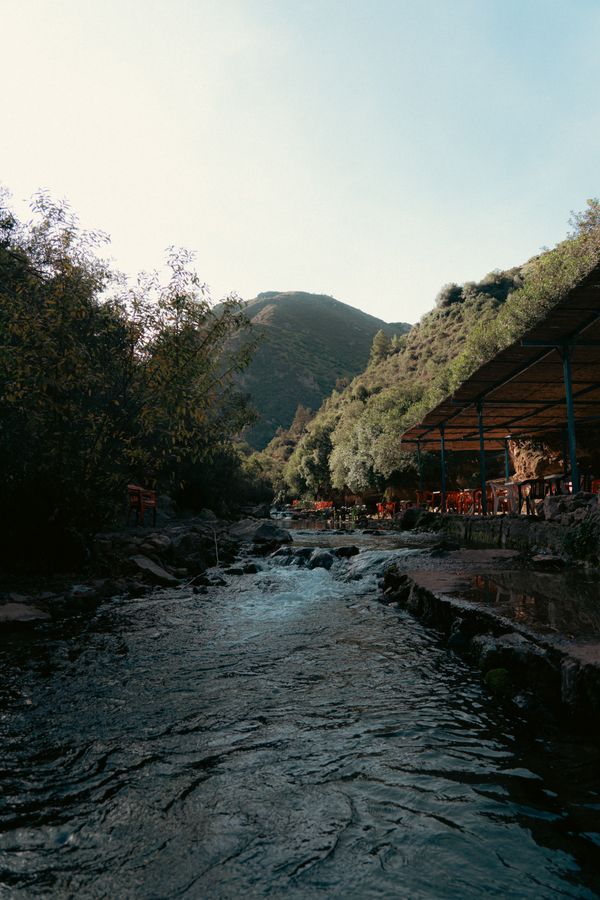
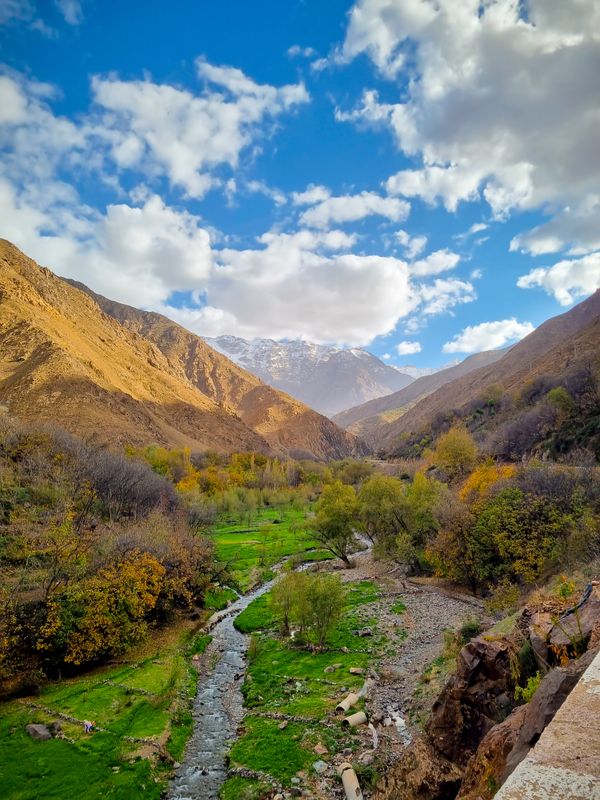
The most accessible Atlas valley from Marrakech (1 hour). A lush green river valley with Berber villages, saffron cooperatives and waterfalls at Setti Fatma. Perfect for a half-day or full-day escape from the city heat.
The gateway to Toubkal and a beautiful destination in itself. Spend a night in a family guesthouse, eat a home-cooked Berber meal and wake to mountain peaks outside your window. One of Morocco's most magical overnight experiences.
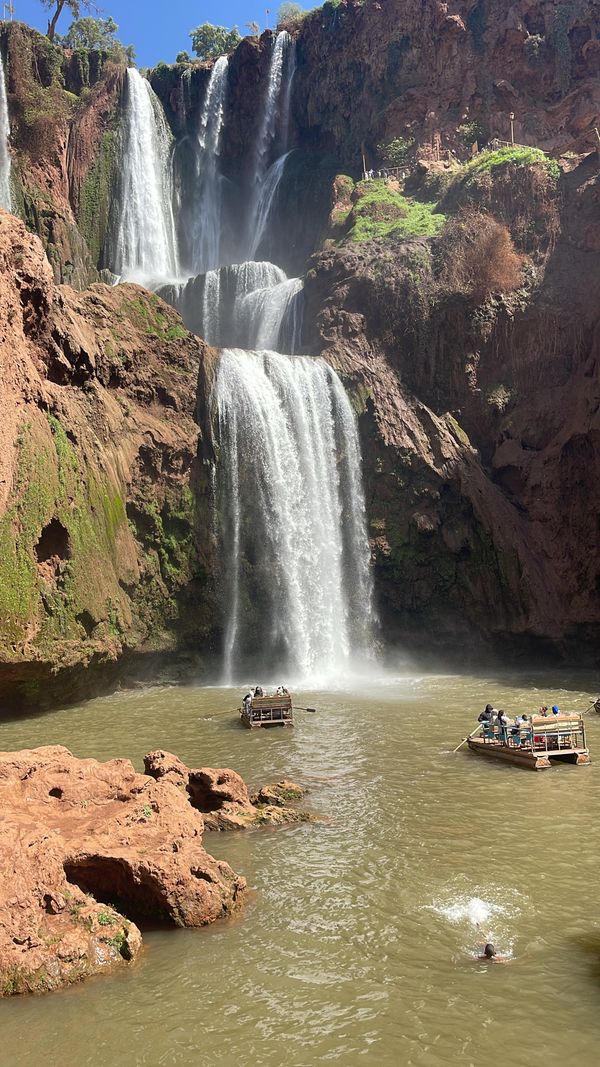
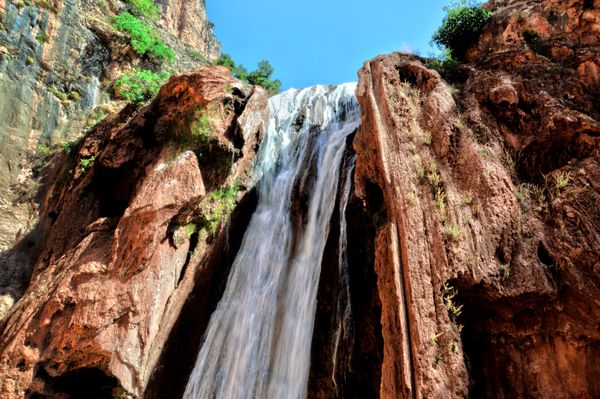
The most spectacular waterfalls in Morocco — three cascades dropping 110m through olive and carob trees. Wild Barbary macaques roam freely here. Swimming is possible in summer. 3 hours from Marrakech, worth every minute.
At the end of the Ourika Valley, a series of 7 waterfalls climb the mountainside. The first is easily accessible; adventurous hikers can scramble up to all seven. Spectacular, especially after winter rains.
Spend a night with a Berber family in a traditional village — sleep on mountain-woven rugs, eat homemade tagine and couscous, and learn about Amazigh culture from the people who live it. Deeply moving and completely authentic.
Explore mountain valleys and Berber villages by horseback — the most traditional way to traverse the Atlas. Several farms near Marrakech offer half-day to multi-day horseback expeditions through dramatic passes.
Africa's highest ski resort sits at 3,200m, just 2 hours from Marrakech. In season (January–March), there are 6 ski runs, ski hire and lifts. Surreal to ski in Africa — well worth it if you visit in winter.
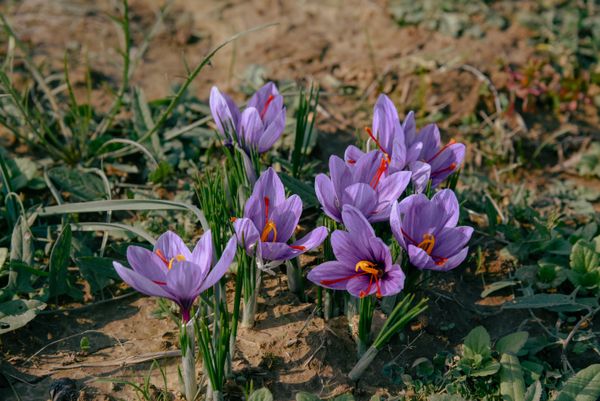
The Taliouine region in the Anti-Atlas produces some of the world's finest saffron. Visit the saffron cooperatives during October harvest season to see the delicate crocus fields in purple bloom and buy genuine saffron direct.
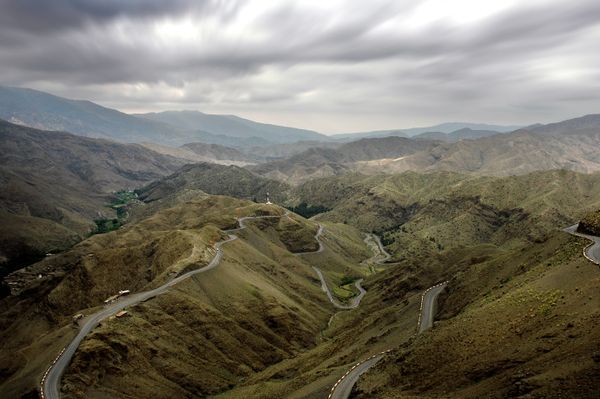
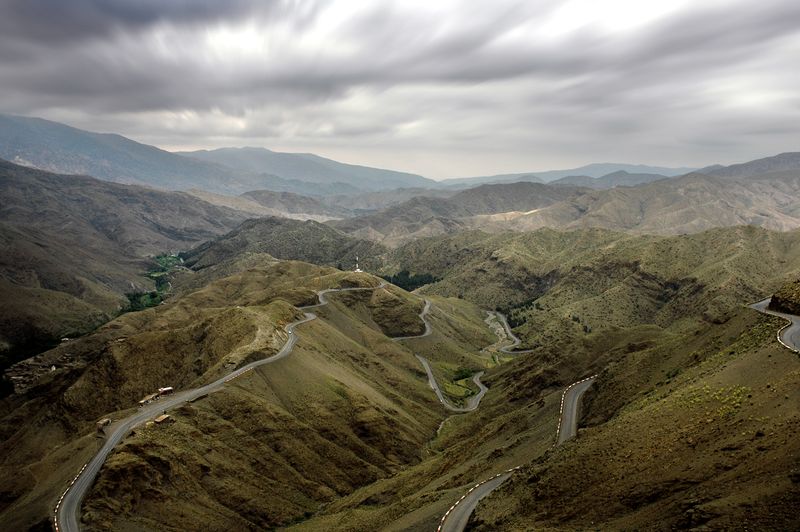
The highest road pass in Morocco at 2,260m — the dramatic mountain route between Marrakech and Ouarzazate. Rocky peaks, hairpin bends, Berber stalls and views that stretch to the Sahara. Drive slowly, stop often.
From half-day walks to multi-day summit expeditions
An easy 2–3 hour walk through Imlil village and the valley terraces. No guide needed. Excellent introduction to Berber village life with mountain scenery. Perfect for families.
Trek from Imlil to the Toubkal Refuge (3,207m) in 4–5 hours. Rewarding views, possible with fitness. Stay overnight at the refuge, return next day. No summit required.
The full 2-day Toubkal summit experience. Day 1: Imlil to refuge. Day 2: 5am summit push, descent back to Imlil. Requires fitness, proper gear (crampons in winter), licensed guide mandatory.
5–7 day traverses of the High Atlas connecting multiple valleys, passes and villages. Remote, spectacular, life-changing. Requires full guide and mule support. Our guide has 3 recommended circuits.
Everything you need for a safe, incredible Atlas experience: detailed Toubkal route maps, what to pack by season, the best licensed guides (with WhatsApp contacts), village guesthouse reviews and 4 day-trip routes from Marrakech.
Mountain guesthouses, kasbah hotels and trekking refuges
Family-run mountain guesthouses in Imlil — basic but clean, with Berber meals and mountain views. The most authentic base for trekking. Book through your guide.
Boutique kasbah hotels converted from old Berber fortresses — beautiful rooms, mountain pools, and excellent restaurants. Kasbah du Toubkal and Toubkal Lodge are the benchmarks.
CAF refuges on the Toubkal route provide basic dormitory accommodation, hot meals and gear storage. The Toubkal Refuge at 3,207m is an experience in itself — book ahead in summer.
Compare kasbah hotels, guesthouses and Atlas retreats
What you need to know before going up the mountain
The Toubkal summit is at 4,167m — altitude sickness is real even for fit people. Ascend slowly, drink water constantly, don't push through headaches. Acclimatise for a day in Imlil before attempting the summit.
Moroccan law requires a licensed guide to summit Toubkal. Don't try to hire unlicensed guides to save money — it's dangerous, illegal and they often don't have insurance. Expect $60–100/day for a proper guide.
Proper hiking boots (ankle support, waterproof) are essential for any Atlas trek. Trainers will fail you on rocky trails. Crampons are required for Toubkal between November and April — rentable in Imlil.
June–September is safest for the summit — no snow, stable weather. July–August is hot lower down but the summit is comfortable. October and May are excellent with fewer crowds. Avoid the peak in winter without winter mountaineering skills.
Mountain streams look clean but can carry Giardia. Carry a filter or purification tablets. The refuge provides safe water but carry enough for the ascent. Dehydration is the most common problem on Toubkal.
Imlil in summer is 25°C; the Toubkal summit can be 0°C with wind chill. Layers are essential. The valley can be sweltering while the peaks have ice. Always carry a waterproof shell, warm layer and sun protection.
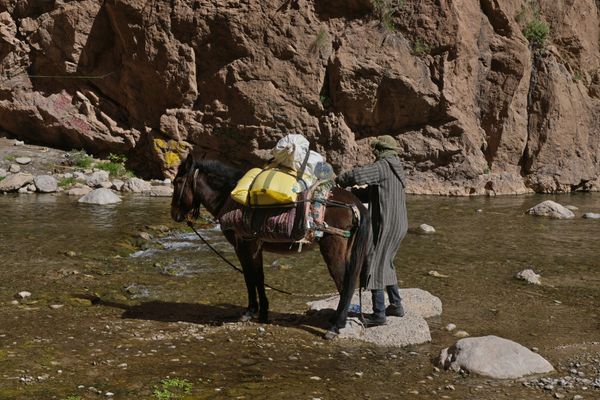
Mule drivers are essential to the Toubkal experience and work incredibly hard. The standard rate is around 250 MAD per day per mule — don't bargain them down. A generous tip goes a long way in a community where it makes a real difference.
At 3,000–4,000m, UV radiation is dramatically stronger than at sea level. Apply SPF 50+ even on cloudy days, wear a hat and cover up. Snow blindness is a real risk near the summit — proper sunglasses are non-negotiable.
There is no mobile signal above Imlil in most areas. Download Maps.me with the Morocco region beforehand. Your guide will know the trails, but having an offline map as backup has saved more than one trekker who got separated from their group.
Easy access from Marrakech
Grand taxi from Marrakech's Bab er-Rob square to Imlil (1.5h, 250–400 MAD). Negotiate price before getting in. Many guesthouses can arrange transfers. Best option for flexibility.
CTM and local buses run from Marrakech to Asni (1h, ~20 MAD). Take a local taxi from Asni to Imlil (30 min, 50 MAD). Budget option — add 30–45 min total journey time.
Guided day trips from Marrakech to the Ourika Valley or Imlil are excellent value — transport, guide and sometimes lunch included. Book through your riad or GetYourGuide. From $40/person.
The mountains are a gateway to the rest of Morocco
The natural base — 90 minutes away. Use Marrakech for flights and accommodation, Atlas for adventure.
90 min awayCross the High Atlas via Tizi n'Tichka pass en route to the Sahara. The most dramatic road in Morocco.
5h from Atlas via passAfter mountain adventures, the Atlantic coast is a perfect contrast — cool breezes and fresh seafood.
4h from Imlil via MarrakechMorocco's most spectacular waterfalls — an unforgettable 3h drive from Marrakech through the Atlas foothills.
3h from MarrakechThe Atlas Mountains reward travellers who go with someone who knows them — a good guide transforms a hike into an encounter with living culture.
North Africa's highest peak (4,167m) is a non-technical climb requiring no ropes or crampons — but it demands fitness and acclimatisation. Standard itinerary: Day 1 Imlil → Toubkal Refuge (3,207m), Day 2 summit at dawn, descent to Imlil. Certified mountain guide (BREVET) required: ~600–800 MAD/day. Total cost with guide, mule, refuge: ~2,000–2,500 MAD/person over 2 days.
Multi-day treks connecting Berber villages through the Aït Mizane, Aït Bou Guemez and Ourika valleys — sleeping in village gîtes (local homes), eating with families. 3-day trek: ~1,500–2,000 MAD/person all-inclusive (guide, mule, accommodation, meals). Booking through Centre de Formation des Guides de Montagne in Imlil ensures licensed, professionally trained guides.
For travellers who want the Atlas without the climbing: mule treks from Imlil to Aroumd (1h) or the Toubkal Refuge (3h) ride through walnut groves, terraced farms and high pastures. Mule hire: 200 MAD/half day with muleteer. The Aroumd village loop delivers the essence of Atlas mountain life in 4 hours.
An emerging category: start in a luxury riad in Marrakech, drive to Imlil, hike with a guide to a high-altitude mountain refuge serving proper food and hot showers, return to Marrakech the next day. Operators: Kasbah du Toubkal, Marrakech Trek. From 3,000 MAD/person for 2 days including all logistics — the atlas for people who want comfort and adventure.
The terraced saffron and wheat fields of Ait Souka village glow amber in the late afternoon light. A local guide leads a 2-hour photography walk through the valley, past the village fountains, into the almond orchard above — ending at a family home for tea. ~200 MAD/person, arranged through Imlil village guesthouses.
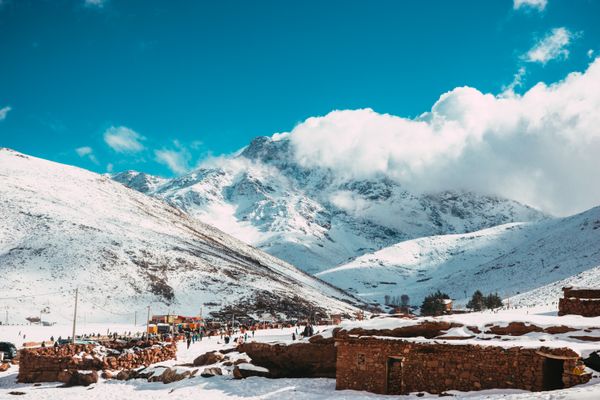
December to March the High Atlas is snow-covered above 2,000m. Crampons and ice axes are needed above 3,000m — your guide handles this. The white peaks above the ochre palmeries of the Ourika Valley are extraordinary. Snowshoe treks available from Oukaimeden ski station (2,650m) — the highest ski resort in Africa. Day ski passes: 150 MAD.
1,740m. The starting point for all High Atlas treks. A permanent Berber community of 200 families — walnut and apple orchards, a small souk open Saturday mornings, the best mule parking in Africa. Stay here rather than in Marrakech for the Toubkal trek: the extra altitude preparation matters, and the 7am departure beats all tourist buses.
30 minutes above Imlil (300m climb), Aroumd (2,000m) is a traditional Berber settlement clinging to a cliff face — terraced stone houses, communal roof terraces, mountain spring water running through carved channels. No tourist infrastructure — which is the point. Bring food if you're day-tripping; the Toubkal Refuge (1h further) serves lunch.
A hidden valley 150km east of Marrakech (via Azilal) often called Morocco's most beautiful inhabited landscape: green terraces, walnut trees, apricot orchards and traditional architecture unchanged for centuries. Minimum 2 days to appreciate it properly. The road is paved but takes 3.5h from Marrakech. Worth every minute.
2,650m above sea level, 75km from Marrakech. In winter: skiing and snowboarding with Atlas peak views (daily ski pass: 150 MAD, equipment rental: 120 MAD). In summer: paragliding, mountain biking and prehistoric rock carvings (Neolithic engravings in the surrounding plateau). Day trip by car from Marrakech: 1.5h.
In the High Atlas, food is sustenance and hospitality combined. Amazigh-Berber mountain cuisine centres on slow-cooked tagines, barley bread, walnut and argan oil, and the inevitable pot of mint tea after every meal.
High Atlas tagines are simpler and more rustic than city versions — lamb or goat with prunes, wild herbs collected from the slopes, and preserved lemon. Cooked low and slow in a clay pot over charcoal. Eaten communally with kesra bread.
The traditional round barley bread of the Atlas villages — denser and more nutritious than wheat bread. Baked fresh in a clay oven each morning. Eaten with argan oil, olive oil and local honey for breakfast at a Berber guesthouse.
The Atlas valleys produce Morocco's best walnuts — the Aït Benhaddou and Ourika valleys are famous for walnut trees. Fresh in September–October, dried year-round. Almonds come from the Asni and Amizmiz valleys. Buy direct at village markets.
The Atlas version of Moroccan mint tea is made with wild mountain mint and sage — stronger and more herbal than coastal versions. Offered to every guest as a welcome gesture. Refusing is a social faux pas in Berber culture.
The Ourika Valley produces excellent apples, pears and figs — sold at roadside stalls at near-zero prices. A bag of fresh mountain apples for 10 MAD is one of the Atlas's great pleasures.
Guesthouses (gîtes d'étape) in Imlil, Aroumd and Setti Fatma serve set Berber meals — dinner is usually a communal tagine with bread, soup and tea for 80–120 MAD including accommodation. In the Ourika Valley, Restaurant Asgaour has been reliable for 20 years.
Our complete Atlas guide has everything you need — trekking maps, guide contacts, gear lists and routes for every level. Don't go up the mountain unprepared.
The High Atlas is less than an hour from Marrakech. Grand taxis from Bab Rob run to Imlil (the main trekking base) for around 200 MAD per taxi. Day-trip operators offer full-day excursions to Ourika Valley, Imlil or the Oukaïmeden ski resort. Renting a car gives you the most flexibility to explore the valleys and Berber villages at your own pace.
Yes — the Atlas offers hiking for all levels. The most popular route is the ascent of Jebel Toubkal (4,167 m), North Africa's highest peak, typically done as a 2-day trek from Imlil with a night at the Toubkal Refuge. Easier options include Ourika Valley walks and village trails around Imlil. June to September is the best season for high-altitude treks; winter brings snow above 2,500 m.
Layer up — temperatures change quickly with altitude. Bring sturdy ankle-support hiking boots, a warm fleece or down jacket for evenings, sunscreen and a hat (UV intensity is high above 2,000 m), and a lightweight waterproof shell. Trekking poles are useful on the Toubkal ascent. Buy or rent mules in Imlil for heavy gear if doing a multi-day route.